
Finding the right dog breed for your lifestyle is important, especially if you spend long hours away from home. Some dogs can handle being left alone during the day better than others. Breeds like the Bassett Hound and the Shiba Inu are known for their independence and can adapt to time spent alone.

Many factors can influence how well your dog copes with being left alone, such as age, training, and personality. Knowing which dog breeds tend to be more comfortable with alone time can help you make the best choice.
This article will explore different breeds that can be left alone and provide tips for ensuring your furry friend stays happy and healthy while you are away.
Understanding Dog Breeds and Independence
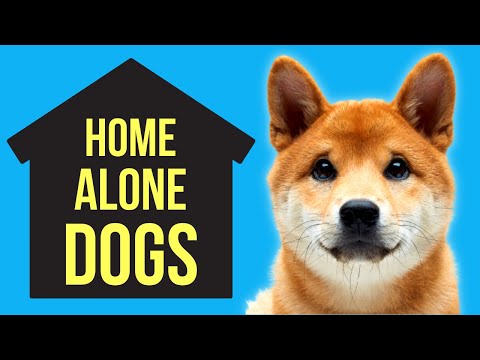
When thinking about which dog breeds can be left alone during the day, it’s important to understand how independence varies among breeds. Some dogs thrive on their own, while others may struggle. Knowing these differences can help you choose the right companion for your lifestyle.
Characteristics of Independent Dogs
Independent dogs tend to be more self-sufficient. They are less likely to become anxious when left alone. Breeds like Basset Hounds, Shiba Inus, and Chow Chows often fit this description. These dogs require less constant attention and can entertain themselves.
Key traits of independent dogs include:
- Low need for companionship: They can handle being alone.
- Problem-solving abilities: They can find ways to keep busy.
- Calm temperament: They tend not to react negatively to solitude.
Separation Anxiety in Dogs
Separation anxiety is a common issue for many dog breeds. Dogs like Chihuahuas and Labrador Retrievers can be especially affected. When left alone, they may bark excessively, chew furniture, or show signs of stress.
Signs of separation anxiety include:
- Pacing or restlessness
- Destructive behavior
- Loud vocalizations
To help prevent this, consider gradual training. Introduce short periods of alone time to help your dog adjust.
Balancing Attention and Independence
Finding a balance between attention and independence is key. While some breeds can be fine alone, they still need love and care. Make sure you spend quality time with your dog to strengthen your bond.
Things to consider include:
- Regular exercise: Keep your dog active to reduce boredom.
- Engaging toys: Provide puzzle toys to stimulate their minds.
- Routine: Try to keep a consistent daily schedule for feeding and walks.
By paying attention to your dog’s needs and characteristics, you can ensure a happy, well-adjusted pet.
Best Dog Breeds for Being Left Alone

If you’re considering a dog that can manage being alone during the day, there are several breeds known for their independence. Whether large or small, certain dogs are better at being left to their own devices. Here’s a closer look at the best choices.
Large Independent Breeds
Some larger breeds are quite independent and can handle alone time well.
-
Bullmastiff: These dogs are gentle giants. They are low-energy and enjoy lounging around, making them suitable for being left alone for hours.
-
Great Pyrenees: Originally bred to guard sheep, they are protective but also quiet. Their independent nature allows them to be content on their own.
-
Akita: Akitas are loyal and strong-willed. They can handle solitude better than many think. Regular exercise helps them stay calm while you’re away.
-
Alaskan Malamute: Although they need a lot of exercise, Malamutes can adapt to being left alone if they’re tired out beforehand.
Medium to Small Independent Breeds
There are also plenty of medium to small breeds that thrive when left alone.
-
Basset Hound: Known for their laid-back attitude, Basset Hounds are happy to nap while you’re gone. They’re low-energy and don’t require constant attention.
-
Boston Terrier: These friendly dogs can be quite independent. They don’t mind being alone for a few hours, especially if they have toys to keep them engaged.
-
Chow Chow: Chow Chows are known for their independent temperament. They appreciate personal space and can be left alone while still being affectionate when you return.
Breeds Prone to Less Separation Anxiety
Some dogs naturally experience less separation anxiety, making them ideal for your busy lifestyle.
-
Greyhound: Surprisingly, Greyhounds are great at being left alone. They are calm and lazy dogs, enjoying naps throughout the day.
-
Chow Chow: Their independent nature means they can be okay when left alone. They enjoy their own company and have a laid-back demeanor.
-
Basset Hound: This breed is less prone to separation anxiety. Their loving nature makes them relaxed and comfortable when left alone for a while.
Adapting Your Home For Your Dog’s Comfort

Making your home cozy and secure plays a big role in helping your dog adjust to being left alone. Focus on creating a safe space, establishing a routine, and providing engaging activities. These steps will make your dog feel comfortable while you’re away, especially if you work a full-time job.
Creating a Safe Space
Start by setting up a designated area in your home where your dog feels secure. This space can be a cozy corner in your living room or a comfortable crate, depending on your dog’s preference.
Include familiar bedding, some toys, and maybe a piece of your clothing for comfort. Ensure the area is free from hazards like loose wires, small objects, or plants that could harm your dog.
You might also want to use baby gates to limit access to certain rooms, making it easier for your dog to feel at ease in one spot.
Maintaining Routine and Stability
Dogs thrive on routine. Try to keep a consistent schedule for feeding, walks, and playtime. This helps your dog know what to expect and can reduce anxiety when you leave.
Before you head out, stick to the same goodbye ritual. Keep it short and positive. When you’re home, spend quality time with your dog to reinforce that they’re loved.
Regular exercise is crucial, too. A good walk or play session before you leave can help your dog relax while you’re gone.
Toys and Activities for Alone Time
Keep your dog entertained with interactive toys designed for solo play. Look for toys that dispense treats or require your dog to solve puzzles. These can provide mental stimulation and make the time spent alone more enjoyable.
Consider rotating toys regularly to keep things fresh and exciting. This way, your dog won’t get bored. You can also leave a few safe chew items that encourage healthy chewing habits.
These activities can help independent dog breeds manage their time alone better. Make sure there’s always something fun waiting for your dog, even when you’re busy with your full-time job.
Additional Considerations for Dog Owners

When choosing a dog that can be left alone during the day, it’s crucial to think about their exercise needs, health considerations, and how they fit your lifestyle. Each of these factors plays a significant role in ensuring your dog is happy and healthy while you’re away.
Exercise and Socialization Needs
Independent dogs may not require as much attention as others, but they still need regular exercise. Daily walks or playtime are essential to keep them healthy and happy.
Consider these options:
- Walks: Aim for at least 30 minutes of walking each day.
- Playtime: Engage them with toys or games.
- Socialization: Arrange playdates with other dogs.
Socializing your dog helps them learn to be comfortable in different situations. This is especially important if they will be alone for long periods.
Health Considerations for Independent Breeds
Some breeds generally considered independent may have specific health issues. Understanding these can prepare you for future care.
For instance, a Basenji might be relatively low maintenance but can be prone to certain health problems. Regular vet checkups are vital. Make sure you’re aware of:
- Exercise-related injuries: Ensure they’re not overexerting themselves.
- Dietary needs: A balanced diet helps maintain a healthy weight and energy levels.
- Grooming requirements: Some independent breeds still need regular grooming to stay healthy.
Taking these elements into account can help you manage your dog’s health proactively.
Finding the Right Fit for Your Lifestyle
Your schedule also matters when choosing a dog. If you work full-time, you should select a breed that fits your routine.
Questions to consider:
- How long will your dog be alone? Most independent breeds can handle several hours alone, but it’s ideal to keep it under 6 hours.
- Can you hire a dog walker? A dog walker can break up their day if you are away for long hours.
- Do you have support? Having a friend or family member check in can provide extra companionship.
Thinking about these factors will help you and your independent dog enjoy a fulfilling life together.


