
Understanding the breed and behavior is crucial when it comes to dog bites. Certain breeds, such as Bull Terriers and Rottweilers, have a tendency to bite and hold on due to their strong jaws and protective instincts. Recognizing the characteristics of these breeds can help you predict and manage biting situations.

Owners of breeds that can bite and not let go should be aware of their training and socialization needs. Early training can make a significant difference in teaching them to release on command. Additionally, fostering a positive environment can help reduce aggressive behavior and promote calm interactions.
This topic isn’t just about breeds; it’s also about understanding how to interact with dogs responsibly. Whether you’re a dog owner or simply an animal lover, knowing what can lead to a bite and how to handle it ensures safer and more enjoyable experiences with our canine friends.
Understanding Dog Behavior and Aggression
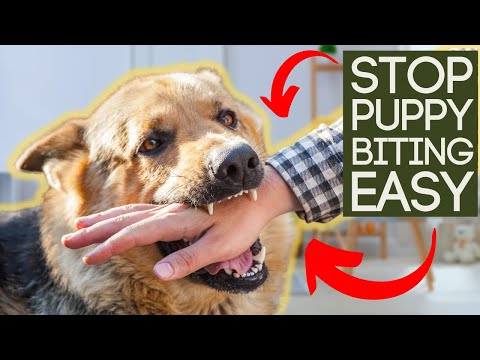
Understanding why dogs bite can help you prevent aggressive encounters. Recognizing the signs of aggression is key for keeping both you and your dog safe.
The Psychology Behind Dog Bites
Dogs bite for many reasons. Fear and anxiety are common triggers. When a dog feels threatened or cornered, it may resort to biting as a defense mechanism.
Aggressive dogs might also bite out of dominance or territorial instincts. These behaviors often stem from a dog’s past experiences and environment.
Additionally, pain and discomfort can cause a normally friendly dog to become aggressive. Always consider a dog’s history and if they have any behavioral issues that may contribute to their actions.
Recognizing Signs of Aggression in Dogs
Knowing the warning signs can prevent bites. Look for behaviors like growling, showing teeth, or stiff body language. These can be clear indicators of an aggressive dog.
Other signs include:
- Barking: Loud and consistent barking can signal aggression.
- Avoiding Eye Contact: A dog that won’t look at you may feel threatened.
- Raised Hackles: If the fur on their back stands up, it’s a warning sign.
Stay aware of these signs to help you maintain a safe interaction with dogs. Understanding these cues can make a difference in your safety and your dog’s behavior.
Specific Breeds with Strong Bite Grips

Certain dog breeds are known for their strong bite grips, making them effective guardians and protectors. Understanding these breeds can help you know their capabilities and what to expect.
Characteristics of Rottweilers
Rottweilers are known for their strength and confidence. They have a powerful bite force, which allows them to grip firmly when they bite.
Their strong jaws and bold nature make them reliable protectors. Rottweilers are often used in police and security work due to their loyalty and ability to respond to commands quickly.
Training and socialization are essential for Rottweilers. Proper guidance ensures they use their strength appropriately. Without it, their natural protective instincts can become overwhelming.
Understanding the Cane Corso
The Cane Corso is a large and muscular breed, well recognized for its guarding abilities. Their bite strength is impressive, making them capable of holding onto something once they grip.
Cane Corsos were originally bred to protect livestock and property. This background gives them a natural instinct to guard and protect what’s theirs.
Socialization and training are crucial for the Cane Corso to be well-behaved. They need clear direction to channel their strong instincts positively. Their bond with family members can also make them gentle companions.
Profile on the Dogo Argentino
The Dogo Argentino is another breed known for its strong bite grip. They were bred for big-game hunting and protection, making their bite both effective and powerful.
With a muscular build, Dogo Argentinos are agile and determined. Their strong grip is a significant factor in their hunting history.
Like the other breeds, training and socialization are vital. You should focus on consistent training to ensure they develop good behavior. This helps balance their powerful nature with friendliness and loyalty.
Interventions and Safety Measures

When dealing with a dog that bites and doesn’t let go, quick and effective interventions are essential. Knowing how to use specific tools and strategies helps ensure safety for both you and the dog. Here are key methods to consider.
Effective Use of a Break Stick
A break stick is a useful tool in emergencies involving a dog that bites. This stick allows you to carefully leverage the pressure on the dog’s jaw without harming it.
To use it effectively:
- Position the stick between the dog’s molars.
- Apply gentle pressure to push the jaw open.
- Do this calmly to avoid additional stress for the dog.
Always remember that timing matters. The longer a dog bites, the more difficult it may be to release. Having a break stick handy can make a critical difference.
How to Discipline a Dog Safely
Disciplining a dog requires a gentle yet firm approach. Focus on positive reinforcement rather than punishment. This means rewarding good behavior rather than scolding bad actions.
Consider these steps:
- Redirect behavior by offering toys or treats instead of harsh words.
- Use commands like “leave it” or “no” clearly and consistently.
Always stay calm. Your voice tone can influence how the dog reacts. It’s important to avoid yelling, which could escalate the situation.
Role of Veterinary Behaviorists
Veterinary behaviorists specialize in understanding why dogs bite and how to prevent future incidents. They can provide tailored advice based on your dog’s specific needs.
If you encounter persistent biting behavior, consider reaching out to one. They might suggest:
- Behavior modification plans to change unwanted habits.
- Training sessions that involve both you and your dog.
Having a knowledgeable professional guide you can lead to safer and more enjoyable interactions with your pet.
Prevention and Responsible Ownership

Preventing dog bites requires dedication to training and understanding your dog’s needs. By focusing on proper exercise and communication, you can create a safe environment for both your dog and those around you. Here are some essential points to consider.
Daily Exercise and Dog Training
Regular exercise is crucial for your dog’s health and behavior. A well-exercised dog is less likely to become anxious or aggressive. Aim for at least 30-60 minutes of physical activity each day. This can include walks, playtime, or agility training.
Training is equally important. Basic commands such as “sit,” “stay,” and “leave it” can help you manage your dog’s behavior. Positive reinforcement techniques, like rewards and praise, encourage good habits. Consistent training helps you build a strong bond with your dog and fosters trust, reducing the risk of bites.
Understanding Dog Bite Scales
Understanding the dog bite scale is vital for recognizing the severity of a bite. The scale ranges from Level 1 (light bite) to Level 6 (severe injury). A Level 4 bite may cause serious injury, often involving puncture wounds and significant bleeding. Knowing this can help you respond appropriately.
As a pet owner, you should monitor your dog’s behavior closely. If you notice signs of aggression or anxiety, it’s important to consult a professional trainer. Proper training can turn around potential issues before they escalate.
When to Contact Animal Control
Sometimes you may encounter aggressive dogs or situations that put you or your pet at risk. It is crucial to know when to reach out to animal control.
If a dog shows frequent aggressive behavior or bites, they may pose a danger to others. In severe cases involving serious bites or injuries, contacting animal control is necessary.
They can assess the situation, and if needed, take action to protect the community. Understanding your responsibilities as a dog owner can prevent serious outcomes, including euthanasia for overly aggressive dogs.
Always prioritize safety for everyone involved.


