
You’ll spot true squirrels, flying squirrels, and other squirrel-like mammals all over Thailand. They appear in parks, forests, and even right on city streets.
You’ll find tree squirrels, gliding flying squirrels, and a few ground-dwelling species that really do look and act a lot like squirrels. If you know which ones to watch for, you’ll spot them faster and get a better sense of how they fit into Thailand’s wild places.

Take a walk through temple grounds or look up in a national park, and you might catch acrobatic tree squirrels racing along power lines. Sometimes, if you’re lucky, you’ll see a flying squirrel gliding at dusk.
Let’s check out which species to watch for, where they like to hang out, and what makes each one unique.
Key Squirrel-Like Animals Found in Thailand
You’ll run into tree squirrels, ground squirrels, and several gliding species in parks, forests, and even city green spaces. Some are surprisingly colorful, a few are huge, and others only show up after dark.
Finlayson’s Squirrel and the Variable Squirrel
Finlayson’s squirrel (Callosciurus finlaysonii) pops up in parks and gardens near cities. Its color changes a lot—gray, orange, and everything in between. This makes it pretty adaptable to human spaces, so you might see one in Bangkok’s parks or around resorts.
People call it the variable squirrel because of that wild color range. These squirrels snack on fruits, seeds, and sometimes small insects.
They stay active during the day and zip through the branches. If you want to spot one, check tree crowns in the morning. You’ll often catch them perched on a branch or darting along a power line.
Black Giant Squirrel and Oriental Giant Squirrel
The Black Giant Squirrel (Ratufa bicolor) stands out as one of Thailand’s biggest tree squirrels. It can stretch up to a meter from nose to tail tip! This species prefers tall, old forests and usually avoids city life.
The Oriental or Red Giant Flying Squirrel (Petaurista petaurista) is also big, but it glides between trees instead of running along branches. These giants eat fruits, leaves, and nuts.
If you’re in a national park with ancient trees, try to spot movement or gliding shadows at dawn or dusk. That’s usually your best bet.
Flying Squirrels of Thailand
Thailand’s forests hold several gliding squirrels, like the Indochinese flying squirrel and species in the genus Hylopetes. Most of these creatures come out at night and glide from tree to tree on a stretchy skin membrane.
You might hear their soft calls after dark or catch a glimpse of their silhouette at dusk. Flying squirrels munch on fruits, seeds, and tree sap.
The Red-cheeked Flying Squirrel and similar species live in mountain and evergreen forests. Others stick to lowland woodlands.
If you want to see them, try a night walk in parks like Khao Yai and use a red-filtered light. It’s honestly one of the coolest wildlife experiences you can have in Thailand.
Other Notable Squirrel Species
Thailand also has some smaller and ground-loving types worth mentioning. The Indochinese ground squirrel (Menetes berdmorei) scurries along the forest floor, feeding on seeds and roots.
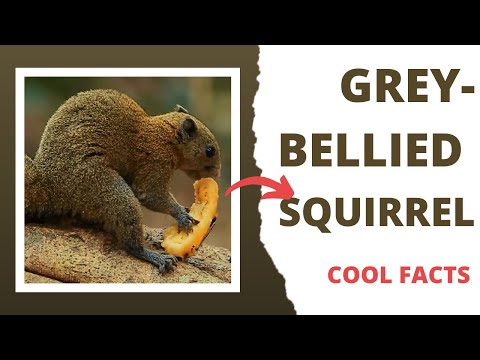
You’ll spot the Plantain squirrel (Callosciurus caniceps) and the Cambodian striped squirrel in both urban and rural gardens. Pallas’s squirrel (Callosciurus erythraeus), the Himalayan striped squirrel (Tamiops spp.), the grey-bellied squirrel, and Dremomys rufigenis (red-cheeked squirrel) hang out in northern forests.
Each species does its own thing—some like lowland scrub, others prefer montane forests. Where you go really shapes what you’ll see.
Want to dig deeper? Check out this guide on squirrel-like animals in Thailand.
Habitats, Behaviors, and Squirrel Lookalikes in Thailand

Most of Thailand’s small mammals live in forests, parks, and near gardens. You’ll find tree climbers in hilly evergreen forests and gliding types in lowland woods.
Some squirrel lookalikes stick to the ground or even hang out near water.
Habitats and Where to Spot Them
Look for tree squirrels in evergreen and mixed-deciduous forests, city parks, and gardens. Khao Yai National Park and Huai Kha Khaeng Wildlife Sanctuary host plenty of tree-dwelling Sciuridae like Finlayson’s squirrel.
In southern Thailand and Khao Sok National Park, you’ll see larger species such as the black giant squirrel hanging out in the tall canopy.
Gliding flying squirrels need unbroken forest to move between trees. You’ll probably spot them at dusk near mature trees with smooth trunks.
Ground-active species and porcupines show up along forest edges and riverbanks. In cities like Bangkok, adaptable squirrels make their homes in urban green spaces.
Behavior and Adaptations
Squirrels climb and leap with strong hind legs and sharp claws. Tree species stash seeds and fruit, helping forests grow back over time.
Flying squirrels use skin flaps to glide, escaping predators and moving without touching the ground. Many species change their diet with the seasons: seeds, fruits, insects, and sometimes even bird eggs.
Listen for alarm barks or chattering when predators like clouded leopards, leopard cats, or birds of prey are near. Some squirrels get pretty bold around people and food, especially near temples or roadside fruit stalls.
Other Small Mammals Mistaken for Squirrels
Sometimes people mix up a binturong—also called a bearcat—with a big tree mammal. But honestly, it moves much slower and, oddly enough, smells like popcorn.
Palm civets and some small viverrids climb trees and munch on fruit. Still, their bodies look different, and since they’re out at night, you probably won’t spot them during the day like you would with squirrels.
Malayan porcupines stick to the ground and move at a slow pace. Watch for their quills or signs of nighttime feeding if you’re trying to spot one.
Monkeys such as pig-tailed macaques and gibbons hang out high in the canopy. Their calls and the way they move stand out compared to squirrels.
Small deer like barking deer or sambar, and even gaur, stick to the forest floor and honestly, they’re way bigger than any squirrel.
Irrawaddy dolphins stick to rivers, so you definitely won’t find them near forest squirrels. But every now and then, you might bump into elephants (Elephas maximus) or even a dhole in the same protected areas where squirrels roam.
If you want help figuring out what you’re looking at, it’s a good idea to carry a field guide. Try to find one that covers George Finlayson’s early records and the latest park checklists.


