
Beavers are fascinating creatures that play a vital role in their environment. As a keystone species, they help shape habitats and create a rich ecosystem around rivers.
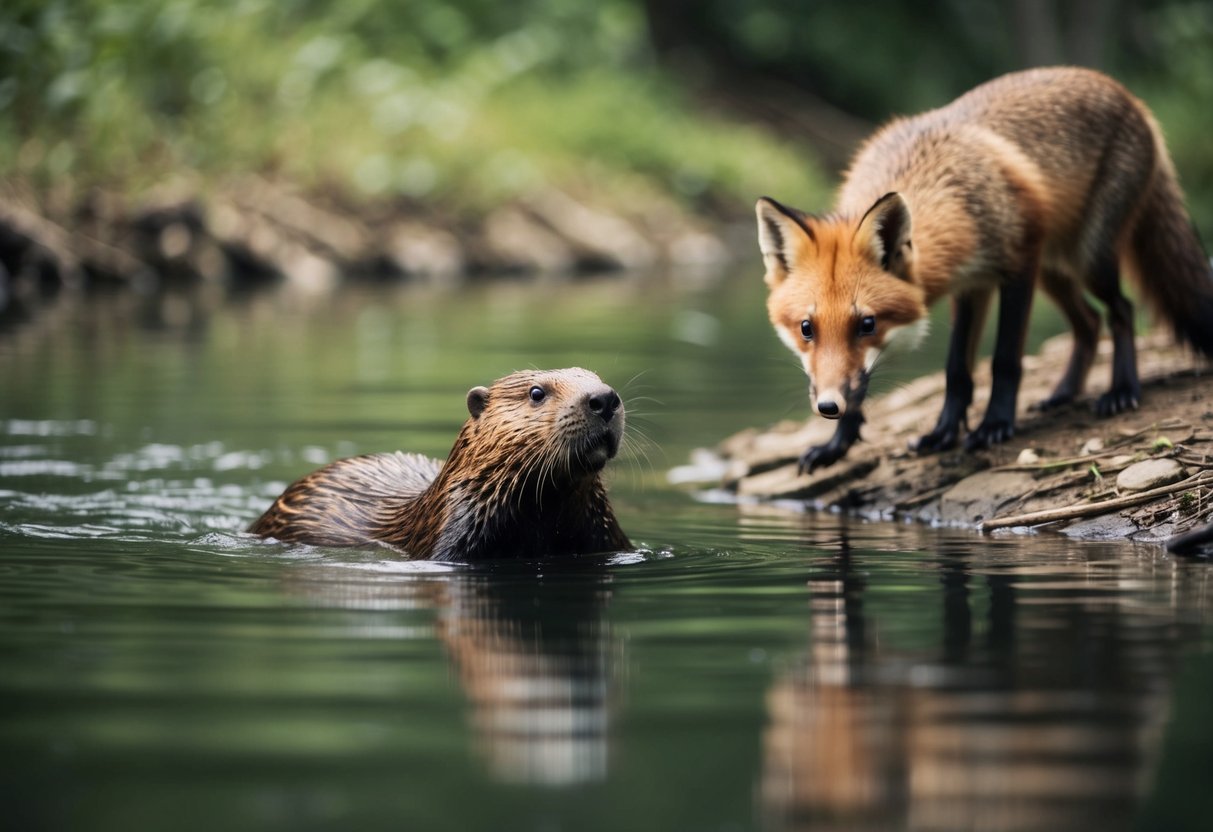
In the UK, red foxes, domestic dogs, and birds of prey are the main predators of beavers. They pose a threat, especially to young kits. Understanding these relationships helps highlight the importance of beaver conservation and their role in reintroduced habitats.
As you explore the life of the Eurasian beaver, you’ll learn how they adapt to their surroundings and build impressive dams that create deeper water for safety. Their presence not only benefits them but also supports various other species in the ecosystem.
You’ll find that the balance between predators and their prey is essential for a healthy habitat, making this topic a fascinating journey into wildlife management and conservation efforts.
By delving into the effects of predator-prey dynamics, you can appreciate the complexities of maintaining beaver populations in the UK. Join me as we uncover the intricate web of life surrounding these remarkable animals and the challenges they face in our rivers.
Beaver Basics
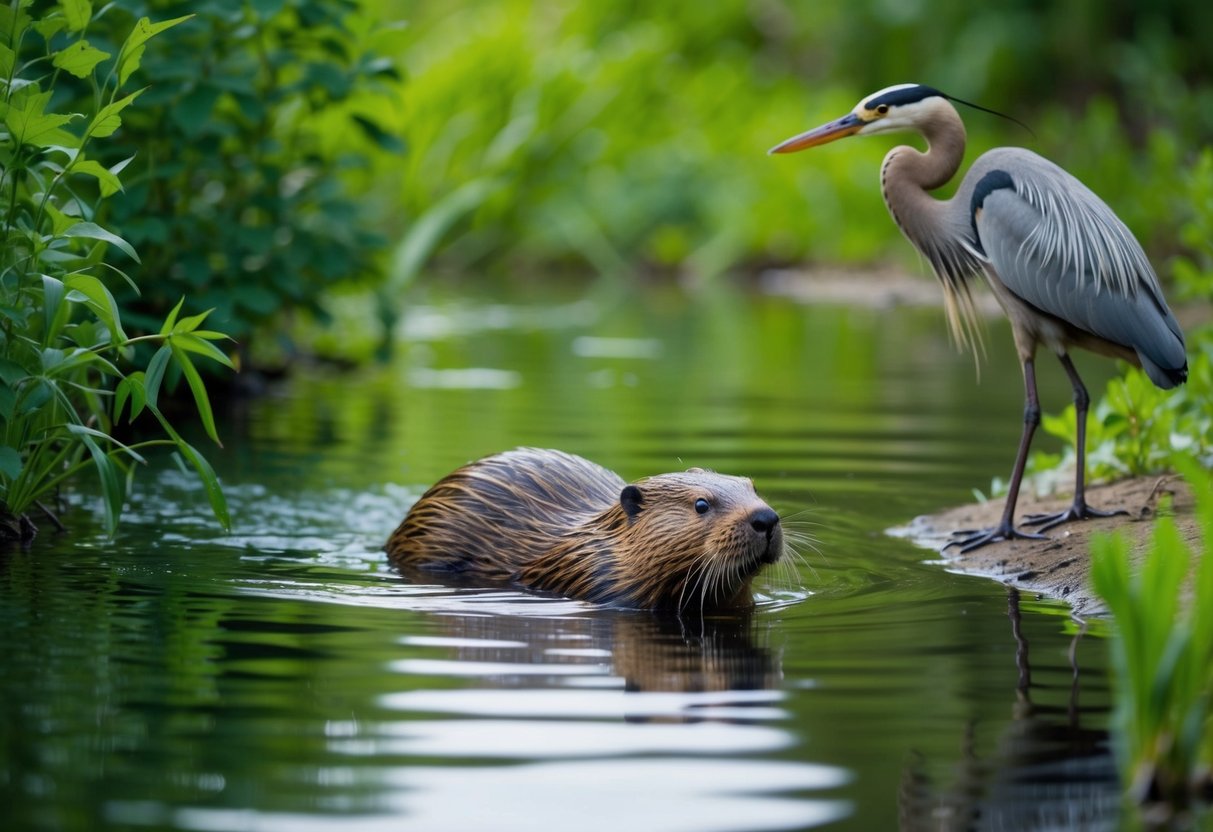
Beavers are fascinating creatures and hold the title of the largest rodent in Europe. Understanding their physical traits, diet, and habitat helps you appreciate their role in the ecosystem.
Physical Characteristics and Behavior
Beavers have several unique features that make them well-adapted to life in the water. They have a stout body covered in dense fur that helps keep them warm. Their scale-covered tail is flat and serves multiple purposes, including steering while swimming and storing fat.
These animals are crepuscular, meaning they are most active during dawn and dusk. You might see them swimming in ponds, streams, or lakes. Beavers usually live in family groups, which consist of parents and their young. They are skilled builders, constructing beaver dams that create wetlands, providing habitats for many other species.
Diet and Feeding Habits
As herbivorous animals, beavers have a diet that primarily includes tree bark, leaves, and aquatic plants. You’ll often find them munching on willow, alder, and various pond weeds. Their strong teeth allow them to gnaw through tough materials, making it easy to access the inner layers of trees.
In addition to tree bark, they enjoy grass and other soft vegetation during the warmer months. Beavers store food for the winter by placing it underwater near their beaver lodges. This way, they can easily access their meals during colder months without leaving their homes.
Habitat and Lodging
Beavers prefer a variety of wetland habitats, including ponds, streams, and lakes. Their nests, known as beaver lodges, are built with sticks, mud, and other materials. These lodges provide safety from predators and a warm place to raise their young.
In areas with low water levels, beavers may dig burrows into riverbanks or create bank lodges for shelter. They are known for their ability to alter landscapes by constructing dams, which create ponds and help maintain local ecosystems. Beavers play a key role in shaping their environments, benefiting many other plants and animals.
Predators of Beavers in the UK

Beavers in the UK face different predators in their habitats. These threats can come from both wildlife and human activities, impacting their survival and well-being.
Common Predators and Risks
Beavers have several natural predators that can pose a risk to their young, especially the kits. Foxes, including red foxes, are known to hunt beaver kits when they venture onto land. They are agile and clever, making them efficient hunters.
Birds of prey, such as eagles and hawks, also threaten young beavers. These birds swoop down to catch vulnerable kits near the water’s edge.
Additionally, otters can be a concern for beavers in certain areas. While they primarily hunt fish, they may still prey on young beavers if the opportunity arises.
It’s important to note that adult beavers generally have few predators due to their size. The absence of larger carnivorous animals like lynxes and wolves in modern UK landscapes means they are relatively safe from direct predation.
Human Impact and Threats
Humans pose significant threats to beavers, primarily through habitat destruction. As agricultural land expands, beaver habitats are often disrupted. This can lead to a loss of biodiversity in the areas where beavers once thrived.
Climate change also affects water quality and availability, impacting beaver populations. Changes in rainfall patterns can lead to flooding or drought, both of which alter the ecosystems beavers rely on.
In conservation efforts, restoring nature reserves can aid beaver populations. Protecting and enhancing these areas helps maintain a balance for various wildlife. Flood risk management is essential, as well; beavers’ natural dam-building can mitigate flooding if they are allowed to thrive in suitable locations. Ensuring a healthy ecosystem is crucial for their survival alongside other wildlife.
Conservation Efforts for Beavers
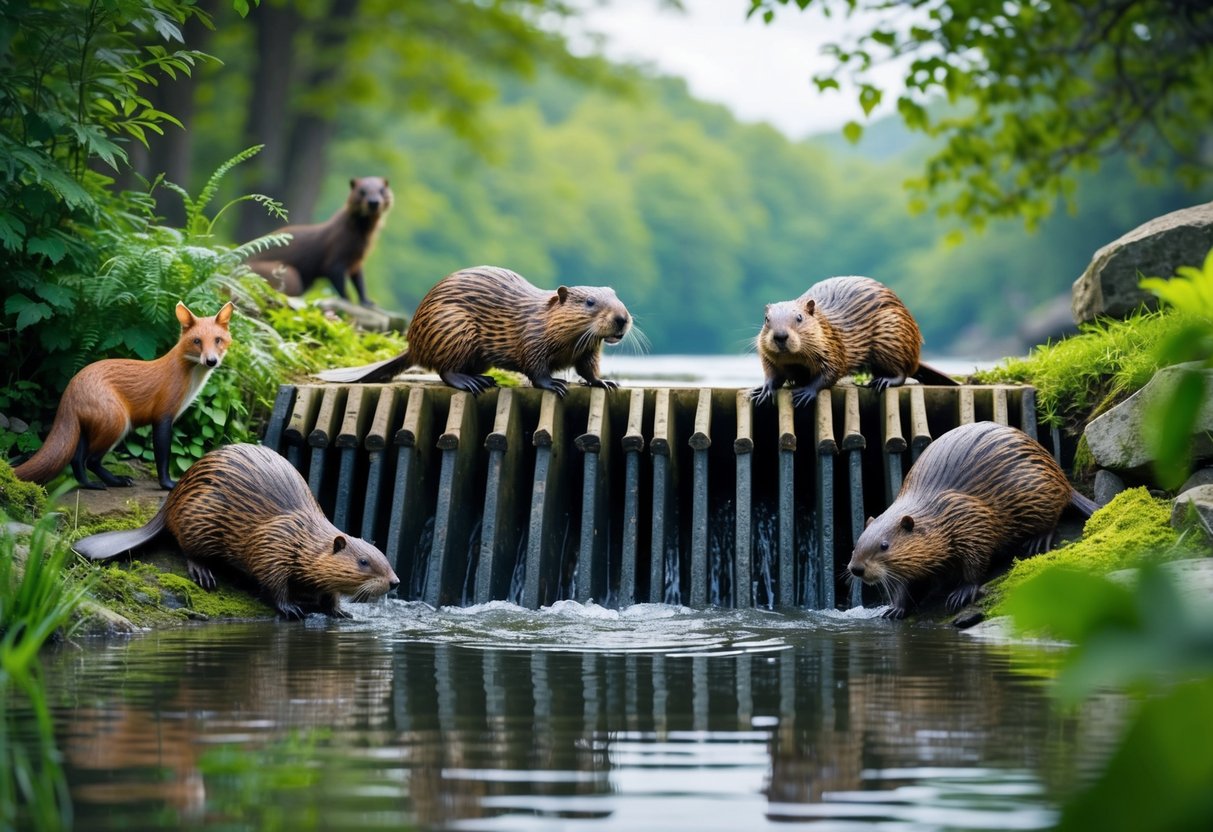
Beavers are vital for maintaining healthy ecosystems and biodiversity. Their conservation involves reintroduction efforts and habitat management. These strategies aim to support beaver populations and encourage their role as keystone species in rivers and ponds.
Reintroduction and Legal Protection
Reintroduction programs are key to restoring beaver populations in the UK. These efforts started in the early 2000s, focusing on areas where beavers had been wiped out. By bringing them back, you help improve biodiversity and restore ecosystems.
Beavers are now recognized as protected species in many regions. Laws are in place to safeguard their habitats and ensure that they can thrive. Nature reserves play a crucial role by providing safe spaces for beaver families to breed and raise their kits.
Managing Habitats and Populations
Effective habitat management is essential for supporting beavers and their environment. Encouraging natural wetlands and ponds helps improve water quality and flood risk management.
You should also consider how beavers interact with their habitats. They create dams that can transform landscapes, promoting diverse wildlife.
Monitoring population numbers ensures that beavers do not overwhelm local ecosystems. This maintains a balance that benefits all species.
Conservationists work closely with communities to implement these strategies, making you part of the process. By understanding the importance of beavers as ecosystem engineers, you can support ongoing conservation efforts.


