
Ever wondered which birds are the rarest on Earth? Well, you’re in the right place. These birds live in just a few spots, and some have only a handful of individuals left.
Among the 10 rarest birds, you’ll find species like the Spix’s Macaw, Kakapo, and South Philippine dwarf kingfisher. They all face huge threats from habitat loss and other dangers.

Learning about these rare birds really highlights why we need to protect them. Each one has its own story, and honestly, it’s a bit heartbreaking how fragile their futures are.
You’ll see where these birds live, what makes them unique, and what people are actually doing to save them.
When you dive into the lives of these rare birds, you get a front-row seat to nature’s delicate balance. Maybe you’re a bird enthusiast, or maybe just curious—either way, these creatures matter.
Their survival? It really depends on action right now. If you want to dig deeper, check out Animal Vivid for more info on the world’s rarest birds.
Meet the 10 Rarest Birds in the World
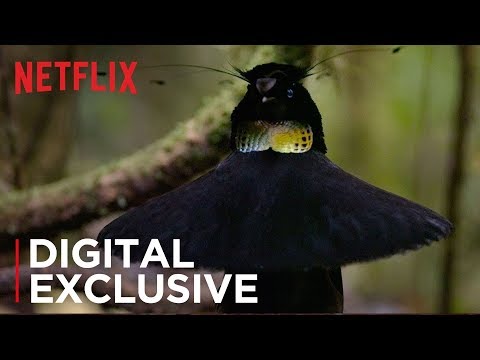
Some birds are so rare, you might never see one in the wild. Here, you’ll meet species with tiny populations and unique habitats.
They face real challenges. These birds show just how fragile nature is—and why we should care.
Spix’s Macaw (Cyanopsitta spixii)
The Spix’s Macaw, or Cyanopsitta spixii, stands out as one of the world’s rarest birds. People once found this bright blue parrot in Brazil, but now it’s gone from the wild.
Only about 180 Spix’s Macaws are alive today, and they all live in captivity. Breeding programs are trying to bring them back to their old homes in Pernambuco and Bahia, Brazil.
You might remember this bird from the animated movie Rio. That film actually helped raise awareness.
All the current birds come from just seven wild-caught individuals. Conservationists are working hard to return them safely to the wild.
- Location: Pernambuco and Bahia, Brazil (currently captive)
- Population: About 180 in captivity
- Status: Extinct in the wild
Kakapo (Strigops habroptilus)
The Kakapo is a flightless parrot from New Zealand and, honestly, it’s pretty unusual. Fewer than 250 Kakapos are left today.
It’s the world’s heaviest parrot and has an owl-like face with nocturnal habits. Since it can’t fly, it depends on predator-free islands for safety.
You’ll only find Kakapos in very protected places. Introduced animals hit their numbers hard.
Conservation teams run breeding programs and monitor each bird closely. Their quiet nature makes them tough to spot.
- Location: New Zealand (protected islands)
- Population: Fewer than 250
- Status: Critically Endangered
California Condor (Gymnogyps californianus)
The California Condor is North America’s largest bird, with a wingspan that’s just massive. You can spot them in California, Arizona, Utah, and Baja California.
In the 1980s, their numbers dropped to just 27 birds. Now, after years of conservation work, there are over 400 condors, with many living wild.
Condors clean up the environment by eating dead animals. Lead poisoning and habitat loss still put them at risk, but protected areas and captive breeding help keep their numbers stable.
- Location: California, Arizona, Utah, Baja California
- Population: Over 400 (wild and captive)
- Status: Critically Endangered, recovering
Madagascar Pochard (Aythya innotata)
The Madagascar Pochard is a rare diving duck from Madagascar’s wetlands. For years, people thought it had gone extinct, but it turned up again in 2006.
There are fewer than 150 of these ducks, split between wild and captive groups. Conservationists have released some into Lake Sofia, and young ducklings have even been spotted there.
This duck mostly eats aquatic insects, like dragonfly larvae. Breeding programs keep working to build up their wild numbers in Madagascar’s lakes and marshes.
- Location: Wetlands of Madagascar
- Population: Fewer than 150
- Status: Critically Endangered
These birds really show how special and fragile some species are. Their survival hangs on ongoing care and protection.
Want to see more rare birds like the Spix’s Macaw? Check out the detailed list of the world’s rarest birds.
Critically Endangered Birds and Their Struggles

Rare birds face a bunch of threats—losing their homes, hunting, and even climate change. If we want to keep them around, we have to understand what they need and what’s getting in their way.
Different birds have their own struggles, and it’s eye-opening to see how much work goes into keeping them alive.
Bali Myna (Leucopsar rothschildi)
The Bali Myna is a beautiful bird with bright white feathers and a splash of blue around its eyes. It lives only in Bali, Indonesia, mostly in Bali Barat National Park.
Sadly, its beauty made it a target for illegal trapping and the pet trade. Habitat loss hasn’t helped either.
Now, fewer than 50 Bali Mynas live in the wild. Captive breeding boosts their numbers a bit, but protecting their natural home is really what matters.
If you support local conservation, you’re helping keep this Bali treasure from disappearing.
Imperial Amazon (Amazona imperialis)
The Imperial Amazon, or Dominican Amazon, is a striking green parrot found only on Dominica island. It’s actually the national bird there.
Hurricanes and habitat loss have pushed its population dangerously low. Strong storms knock down nesting trees and food, while people clear forests for other uses.
Conservation programs focus on protecting their homes and watching over nests. Your support for these efforts really does make a difference for this special parrot.
Philippine Eagle
In the Philippines, people talk about the Philippine Eagle, one of the biggest and rarest eagles anywhere. Its wingspan stretches over seven feet, and it hunts monkeys, reptiles, and other birds.
Deforestation is its biggest threat. Logging and hunting shrink the forests it needs.
With fewer than 400 pairs left, saving its habitat is urgent. If you back organizations that protect forests and wildlife, you help keep the “Monkey-eating Eagle” flying free.
Spoon-billed Sandpiper (Calidris pygmaea)
The Spoon-billed Sandpiper is honestly one of the rarest shorebirds out there. You’ll spot it along the coasts of East Asia.
That weirdly adorable, spoon-shaped bill? It’s just right for scooping up tiny critters from muddy flats.
But these little birds run into all sorts of trouble. People keep developing the coasts, and sea levels keep rising.
Their winter and breeding spots just keep shrinking. Human activity really puts the squeeze on them.
Protecting wetlands and stopping hunting matter a lot here. If you care, maybe look into supporting wetland groups—or just learn more about how much these birds need healthy coastlines.


