
Bees aren’t just honey-makers. They play a massive part in pollinating plants, which ends up helping grow about a third of the food you eat.
It’s wild, but queen bees can lay up to 3,000 eggs a day. On top of that, different bee species have their own quirky behaviors and special roles inside their hives.

Did you know bees actually communicate by dancing? Their tiny bodies are covered in special hairs that help them carry pollen from one flower to another.
These little workers hustle every day to keep the environment healthy and support the food chain. It’s honestly impressive.
Think you know all there is to know about bees? There’s way more to discover about their amazing lives and why they matter so much to nature.
If you’re curious, keep reading for a few facts that might just change how you see these buzzing friends. You can also check out more at What Are Some Unbelievable Facts About Bees.
Unbelievable Facts About Bees

Bees have some traits that are honestly surprising. From their weird ways of talking to their strange body parts, there’s a lot most people don’t know about them.
Only Female Bees Can Sting
If a bee stings you, it’s almost definitely a female. Worker bees and queen bees have stingers, but male bees—called drones—don’t.
Their stingers actually started out as egg-laying organs. When a worker bee stings, she usually dies because her stinger gets stuck and tears away from her body.
That’s why bees only sting if they feel really threatened. Some native bees and bumblebees can sting too, but their stings hurt less than a honeybee’s.
Female bees end up as the main defenders of the hive. They’re your first warning when you get too close.
Bees Have Five Eyes
You might think bees just have two eyes, but nope—they have five! Two big compound eyes sit on the sides of their head.
These compound eyes help them spot colors and notice movement. Then, on top of their head, they’ve got three smaller simple eyes called ocelli.
Those little eyes sense light and help bees find their way in different lighting. With all five eyes, bees can fly around and find flowers even when it’s cloudy.
Their compound eyes are great for spotting shapes, while the ocelli help them keep their balance and figure out which way is up when they’re flying.
Bees Perform the Waggle Dance to Communicate
Bees have this wild way of sharing info called the waggle dance. When a worker bee finds a patch of flowers loaded with nectar, she heads back to the hive and busts out some dance moves.
She moves in a figure-eight pattern and shakes her body. The direction she waggles points other bees toward the flowers, using the sun as a guide.
The faster and longer she waggles, the farther away the flowers are. Bees don’t need words—they just dance it out, and somehow the whole hive gets the message.
Bees Sleep and Work Different Shifts
Bees need rest, just like you do, but their sleep schedule is a bit odd. Not everyone in the hive sleeps at once.
Worker bees take turns resting, so some always keep the hive running. Some bees spend the day gathering nectar and pollen, while others rest or care for larvae inside the hive.
This shift work keeps the colony productive and safe. When bees sleep, they take short naps—bodies still, antennae twitching.
That quick rest gives them the energy to get back to work. For more cool bee facts, check out unbelievable facts about bees.
How Bees Shape Our World
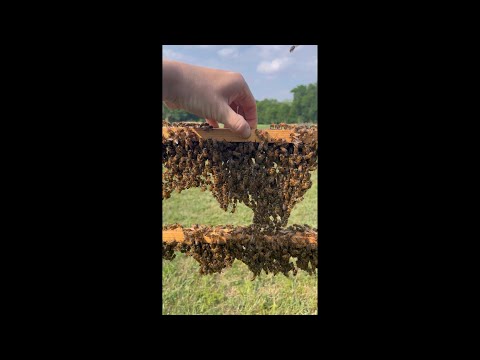
Bees play a surprisingly big role in your daily life. They help plants grow, make honey, and live in super organized communities.
Their work links nature and people in ways you might not even notice.
Pollinators Feed the Planet
When bees collect nectar and pollen, they move pollen from one plant to another. This process, pollination, helps plants make the fruits, veggies, and seeds you eat.
Without bees, crops like apples, almonds, and blueberries would really struggle. About a third of your food depends on bees and other pollinators.
Bees also help wild plants grow, which keeps ecosystems healthy. Next time you sit down for a meal, maybe thank a bee or two.
Honey and Beeswax: Nature’s Gifts
Bees turn the nectar they collect into honey—a thick, sweet treat that stores energy for the hive. Honey lasts a long time, so people have used it for food and medicine for centuries.
Besides honey, bees make beeswax. You’ll find it in candles, cosmetics, and even art supplies.
Bees create wax by secreting it from special glands, then shape it into those perfect little hexagonal honeycombs. Beekeepers look after hives and make sure bees stay healthy so they can harvest honey and beeswax.
If you want more info on honey, beeswax, or just how beekeeping works, check out this article about what are some unbelievable facts about bees.
The Fascinating Life Inside a Bee Colony
Step inside a bee colony and you’ll spot all kinds of bees hustling together. The queen bee lays thousands of eggs every day, working hard to keep the hive full and lively.
Worker bees pick up a bunch of jobs. Some clean, others feed the young, and a few stand guard at the entrance.
Many of them head out to gather nectar and pollen. They show off these cool waggle dances to tell each other where the best food is.
Bees don’t just dance—they also use pheromones, which are like special scents, to send out messages. Sometimes they warn about danger, other times they help organize who does what.
Life in a bee hive? It’s chaotic, but somehow, everything fits together. The whole place buzzes with energy, all focused on keeping the colony going.
Curious about how each bee pulls its weight? You might enjoy digging deeper into the world of hives and colonies at 30 Really Interesting Facts About Bees.


