
You might think every animal runs from a lion, but some actually stand their ground or even fight back. The honey badger definitely tops the list for fearlessness, but big animals like elephants, rhinos, and cape buffalo often just use their size and strength to keep lions away.

Let’s look at how tough skin, small size, and teamwork help some animals live right next to lions. You’ll see which species risk a fight and which ones just use their bulk or numbers to make lions think twice.
Stick around to find out how each animal defends itself, when lions decide to back off, and why fear isn’t the only thing shaping life on the savanna.
Animals That Are Not Scared of Lions

These animals rely on strength, thick skin, or just being huge to make lions hesitate. There’s a small, scrappy fighter here, and three massive species that use power and defense to avoid becoming a lion’s meal.
Honey Badger: The Fiercest Animal
The honey badger (Mellivora capensis) stands out for its boldness. Its skin is thick and loose, so if something grabs it, the badger can twist around and bite back. That, plus strong jaws and sharp teeth, means it can fight off much bigger animals.
Honey badgers act tough and rarely back down when threatened. They eat a wide variety of foods, so they don’t compete directly with lions for prey. Some people even call them the most fearless animal in the African savanna.
- Key traits: thick skin, powerful bite, super aggressive
- Defense style: bite and hang on, survive wounds, keep fighting
Elephants and Their Unmatched Power
Elephants pretty much rule with their size and strength. Adult African elephants weigh several tons, so a single lion doesn’t stand a chance against them. Female elephants stick together in close family groups and will charge to protect their babies, swinging trunks and tusks.
Lions almost never go after healthy adult elephants because the risk is just too high. With thick hides and massive weight, elephants are some of the strongest land animals out there. When you see a herd, notice how they form a solid wall that keeps predators away.
- Key traits: huge size, tusks, group defense
- Typical outcome: lions don’t mess with healthy adults
Rhinos: Resilient Giants of the Savanna
Rhinos count on their tough, armor-like skin and dangerous horn to stay safe. Their thick hides help block deep wounds, and one angry charge can badly injure or even kill a lion. Both white and black rhinos usually don’t show much fear, especially if they have calves.
You’ll often spot rhinos alone or in small groups, but their bad tempers and horns keep lions at a distance. Predators usually only target a rhino if it’s old, sick, or alone. Rhinos’ strength and weaponry make them a risky choice for any lion.
- Key traits: thick hide, strong charge, horned defense
- Behavior: stand their ground, charge if threatened
Hippos: Deadly Strength in Water and on Land
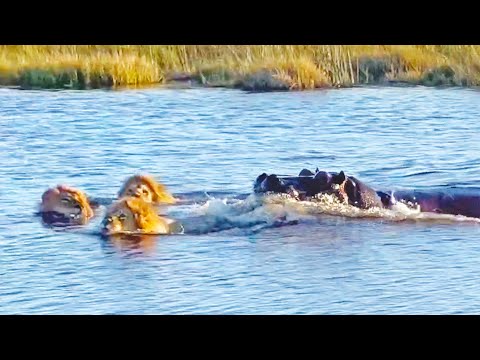
Hippos protect themselves and their young with sheer bulk and powerful jaws. In water, they move fast and defend their territory fiercely. On land, their huge bodies and giant canine teeth can do serious damage to any lion that gets too close.
You’ll often see hippos guarding river banks with a lot of attitude. Lions usually avoid adult hippos because the chance of injury is just too high. Hippos show off most of their aggression in or near water, but they’re just as dangerous on land if they feel threatened.
- Key traits: massive size, big canines, territorial
- Risk to lions: high—lions can get badly hurt or even killed
Check out more about honey badgers’ fearlessness in this article: Which animals show little fear of lions?.
Other Formidable Animals Lions Avoid
These animals can seriously hurt or even kill a lion. Each one uses size, teeth, hooves, or teamwork to defend itself or compete for food and territory.
Crocodiles: Top Predators of Water
Crocodiles, especially saltwater crocs, rule rivers and watering holes where lions sometimes hunt. Crocodiles have the upper hand in water—they bite with insane force and can drown their prey. Lions almost never go into deep water to fight a big croc, since the risk of a crushing bite or being dragged under is just too much.
When a lioness heads to the riverbank, you’ll see her act cautious. Lions linger at the edge instead of rushing in. Crocodiles ambush from below, so even a confident lion can get hurt in a single strike. That’s why lions usually avoid crocodiles near water.
Spotted Hyenas: Resourceful Rivals
Spotted hyenas challenge lions with their numbers, stamina, and teamwork. One hyena won’t beat a male lion, but a big pack can mob and chase lions away from a kill. Hyenas have super strong jaws and don’t mind scavenging—they’ll hang around until lions leave.
Hyena packs track prides and pick their moments, often when lions are tired or outnumbered. They also scavenge leftovers and sometimes snatch unguarded cubs. Because of this, pride leaders and lionesses stay alert and use teamwork to protect their food and young from hyena raids.
Giraffes: Powerful Kick Defenders
Giraffes aren’t your typical lion prey, at least not when they’re fully grown. Their sheer size and that deadly kick make lions think twice.
Honestly, a single hoof strike from an adult giraffe can shatter bones or even kill a lion outright. So, lions usually go after medium-sized giraffes or the ones that are sick, injured, or still calves.
When lions stalk giraffes, they focus on isolating a young or distracted one. If a giraffe turns around and kicks, though, even a whole pride can end up badly hurt.
You’ll notice lions sizing up the distance and angle with a lot of caution before they try anything. Most of the time, they just give up because the risk is just too high compared to the possible reward.


