
Wasps can ruin your outdoor fun in no time, buzzing around your food and space. If you want to keep them away, you’ll need methods that are actually simple and effective. Natural repellents like peppermint oil, removing food sources, and handling nests safely really do stop wasps from bothering you.

You don’t have to grab harsh chemicals or risky sprays that only offer quick, temporary relief. Try setting traps or using scents that wasps hate, and you’ll have a much easier time protecting your home and yard.
These practical steps make outdoor time less stressful. You can finally relax without always looking over your shoulder for wasps.
If you know what drives these pests away, you can take control without a bunch of hassle. Want a peaceful, wasp-free space? Let’s dig into the best tips for keeping wasps away.
What Actually Works to Keep Wasps Away

You can use a bunch of natural, simple methods to keep wasps away from your home and garden. Some repellents work because wasps hate their strong smells, while others lure them into traps and keep them away from your favorite spots.
Natural Wasp Repellents That Are Proven Effective
Some natural repellents do a great job keeping wasps like paper wasps, yellowjackets, and hornets out of your yard. Vinegar is a popular choice. Its strong scent messes with wasps’ senses, so they’re less likely to stick around your home or patio.
Citronella works too, often in candles or sprays. It masks the scents that draw wasps in. Try using these around your outdoor seating areas if you want fewer wasp visits, and you won’t need to mess with harsh chemicals.
If you use these natural repellents regularly, you’ll keep wasp numbers down—especially during warm months when they’re everywhere.
Essential Oils: Peppermint, Lemongrass, and Eucalyptus
Peppermint oil stands out as one of the best natural wasp repellents. Its strong, minty smell really irritates wasps, so they tend to leave. Just mix a few drops of peppermint oil with water in a spray bottle, then spray it around your garden, pool, or by your doors.
Lemongrass oil is another solid option. Its citrus scent confuses and repels wasps. Eucalyptus oil works in a similar way, disrupting their senses, so these oils make great wasp-repellent sprays.
Don’t forget to reapply these oils every few days, especially after it rains, or you’ll lose the effect. Essential oils are safe for gardens and help you avoid chemical sprays.
How to Use Plants Like Mint, Basil, and Marigolds
Certain herbs and flowers can help keep wasps away just by growing in your yard. Mint, basil, and marigolds all have strong scents that wasps don’t like.
Mint grows fast—almost too fast—so keep it in pots if you don’t want it spreading everywhere. Basil is handy near dining spots, and its fresh smell keeps wasps at bay.
Marigolds do double duty. They look nice and help deter wasps. Place these plants by windows, doors, or where you sit outside for the best results.
DIY and Store-Bought Wasp Traps
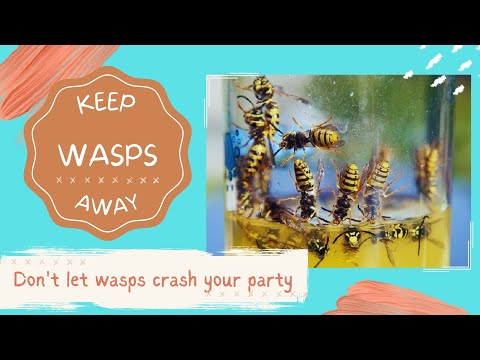
Wasp traps really help cut down on wasp numbers. You can make a simple trap with a plastic bottle and some sweet liquid like sugar water or apple cider vinegar.
Wasps go in, but they can’t get back out. Hang these traps away from where people gather so you draw wasps away safely.
Store-bought traps usually come with bait and are easy to use. If you use traps along with repellents and plants, you’ll get better wasp control all season.
For more details, check out this guide on keeping wasps away.
How to Prevent Wasps from Returning
If you want to keep wasps away, you have to stop them before they start building nests. You can block their entry points, manage food sources, use certain plants, and know when to call for help.
Each of these steps makes your home and yard less appealing to stinging insects.
Sealing Entry Points Around Windows and Doors
Wasps squeeze through tiny cracks around windows and doors. Check these spots carefully, especially if your house has older hardware.
Use caulk to seal gaps where walls meet window frames or door edges. Look for holes or broken screens—those are easy entryways for wasps.
Fixing these stops wasps from finding cozy spots to build nests. Don’t forget vents and attic openings, since wasps love those hiding places.
Inspect your home regularly for new gaps. It’s a quick way to keep wasps out and protect your family from stings.
Cleaning, Food Management, and Outdoor Maintenance
Wasps love strong food smells—think ripe fruit or sugary drinks left outside. Clean up spills and cover trash bins tightly to keep wasps away.
Keep outdoor eating areas free of crumbs and scraps. After a barbecue or picnic, wash dishes quickly and store leftovers inside.
Trim bushes and pick up fallen fruit in your yard. Wasps use these spots for food and nests. A tidy yard means fewer wasps hanging around.
Placing Wasp-Repelling Plants Strategically
Some plants naturally help keep wasps away. Try planting peppermint, lemongrass, thyme, eucalyptus, or marigolds around patios and gardens.
Grow them in pots near doors or windows to create a little barrier. Some folks even use essential oils from these plants as sprays for extra repelling power.
You’ll find these plants or oils at Amazon or local garden centers, so it’s not hard to make your outdoor space less inviting to wasps.
When to Call a Professional for a Wasp Infestation
When you notice a big nest or you’re getting stung a lot, it’s probably time to call a pest expert.
Trying to take down large nests yourself? That’s a gamble—wasps usually get pretty aggressive.
Pros show up with the right tools and products, so they can deal with infestations without risking your safety. They’ll usually offer some advice about how to avoid more wasp trouble down the road.
I’d recommend looking up pest control services with solid reviews in your area. Sometimes you’ll find good tips in newsletters or on local websites about handling stinging insects safely.


