
So, you’ve stumbled across a bee swarm. Should you just leave it be, or try to do something about it? Honestly, in most cases, it’s smartest to leave a bee swarm alone—messing with them can stress the bees out and hurt their chances of surviving. Swarming is just part of how bees live. Usually, they move on after a day or two once they find a new spot.

If you watch a swarm from a safe distance, you get to see some fascinating behavior. You won’t put yourself at risk, and the bees won’t get stressed out.
But if the swarm hangs around for a long time or sets up shop in a dangerous place, you might want to call a local beekeeper. Figuring out when to let a swarm be and when to step in can help protect these vital pollinators.
Should I Leave a Bee Swarm?

When you spot a bee swarm, you’ll probably wonder what happens if you just leave it, what risks it brings, and how to stay safe. Bees swarm to find a new home, and they act differently during this time than when they’re tucked away in a hive.
What Happens If You Leave a Swarm Undisturbed
If you don’t bother a bee swarm, the bees will cluster together while scout bees go looking for a permanent home. This pause can last a few hours or even a couple of days.
During this stage, bees usually stay calm and focus on relocating, not defending themselves. The cluster includes the old queen and a bunch of workers.
They won’t come after you unless you mess with them. Letting them be saves their energy, which they really need to survive.
Once they pick a new spot, they’ll just take off and disappear. For more on how swarms behave and move, check out When Do Bees Swarm and What Should You Do?.
Potential Risks of Letting a Swarm Remain
Most bee swarms aren’t aggressive, but having one near your house or in a busy place can cause trouble. A big swarm can freak people out, which sometimes leads to panic or accidental stings if someone gets too close.
Sometimes a swarm settles somewhere annoying, like inside a wall or chimney. That can mean a hive ends up in a spot you really don’t want.
Swarms in high-traffic areas also raise the odds of someone hurting the bees by accident. If you keep seeing swarms around your place, it might mean local hives are overcrowded, and a beekeeper should probably step in.
Safe Ways to Manage a Natural Swarm Near You
The safest thing you can do is watch the swarm from a distance and leave it alone. Stay back, skip the loud noises, and try not to make sudden moves.
If the swarm lands somewhere unsafe, reach out to a local beekeeper—they know how to move and relocate bees safely. If you’re experienced, you could put a new hive box nearby to tempt the bees to settle there.
Beekeepers usually wait about a week before moving a swarm to make sure it’s healthy and strong. That way, the new colony has a better shot at survival.
Don’t rush to disturb the swarm or spray anything—doing that could wipe them out. Your main goal should be to keep both people and bees safe. Need more tips? Take a look at Should You Save A Swarm Of Bees.
Swarms and Beekeeping: Benefits, Challenges, and Responsible Actions
If you keep bees, knowing what to do when a swarm shows up is pretty important. Swarms can be both helpful and a bit of a headache for your apiary.
Handling them the right way means your bee colonies stay healthy, and beekeeping stays fun.
Pros and Cons of Allowing Bees to Swarm
Swarming is how honey bee colonies grow and spread naturally. When a hive gets crowded, the old queen and a bunch of workers leave to start fresh somewhere else.
That’s good for genetic diversity and makes for stronger bees. But you do lose a lot of worker bees, which can mean less honey from the original hive.
If you miss a swarm, it might settle somewhere you really don’t want it. Overcrowding sparks swarms, so crowded hives need extra attention.
Watch for stuff like lots of queen cells during inspections. If you want healthy, productive hives, letting swarms happen can be risky unless you’re ready to catch or manage them right away.
Capturing and Rehoming Swarms
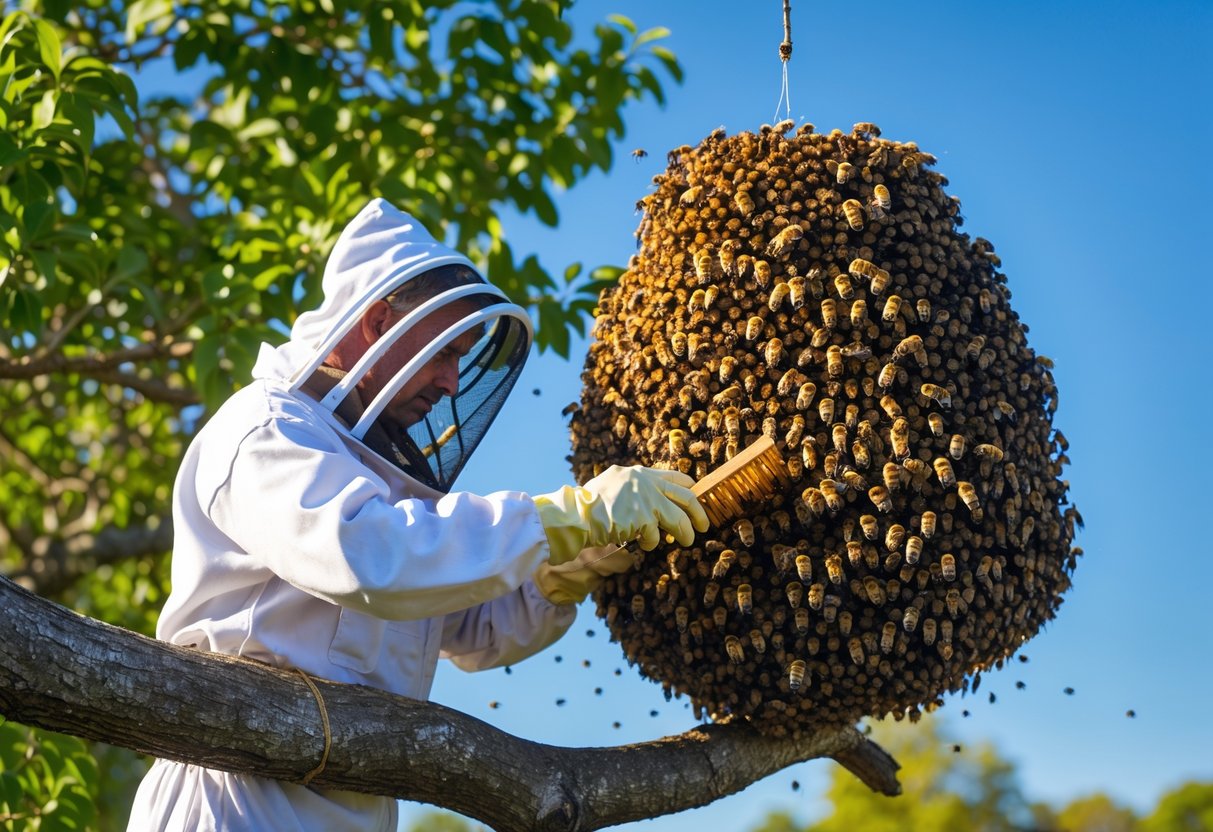
If you spot a swarm, you can catch it safely with the right gear, like a nuc box or a fresh hive. Scout bees search for new spots, so swarms often hang out on branches for a bit.
Move slowly and use a smoker or a gentle brush if you need to. Don’t break up the cluster—the queen’s in there, and she’s the key to the whole thing.
A lot of hobbyist beekeepers team up with local associations to rehome swarms. Once you catch a swarm, give it space, food, and good ventilation in its new hive.
Keep an eye on queen cells and the workers to help the new colony get established. That way, you support your local bees and make sure the swarm gets a real chance.
Preventing Unwanted Swarming in Your Apiary
If you want to keep your honey bee colonies from swarming too much, check for overcrowding and look out for queen cells during your regular hive inspections. I find that using hive equipment like queen excluders, or even splitting up strong colonies, really helps cut down the urge to swarm.
Try giving the hive a bit more space and keep things tidy—propolis can help with that. Some beekeepers swear by integrated pest management (IPM) strategies to keep bees healthier and less stressed, which honestly seems to lower the risk of swarming.
Feed your nurse bees and pay close attention to how the queen’s acting. Thinking ahead with swarm management makes beekeeping a lot smoother, and honestly, it helps protect your investment in your bees.


