
Bees play a huge part in nature by helping plants grow and produce food. Most of the time, you don’t need to get rid of them unless they’re actually causing trouble around your home.
If bees aren’t threatening people or damaging property, it’s usually best to just let them do their thing.

Sometimes, though, bees pick a spot that’s way too close for comfort—like right by a playground or, yikes, inside your walls.
In those situations, you need to handle removal carefully so you don’t hurt yourself or the bees. Knowing when and how to take action can protect your home while still being kind to the environment.
If you’re worried about bees buzzing around your yard or sneaking into your house, you’re not alone. This article should help you figure out when to leave them be and when it’s time to step in.
You’ll also find some simple, safe ways to deal with bees if you really need to.
Should You Get Rid of Bees?
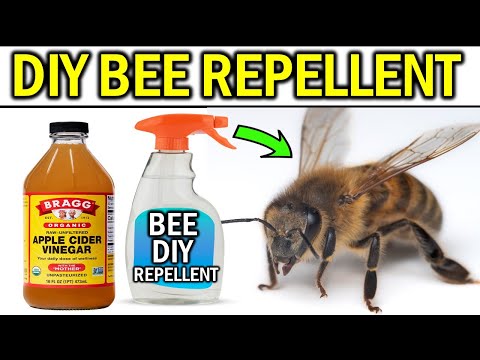
Deciding whether to get rid of bees isn’t always straightforward. You have to weigh the good they do against any risks they bring to your family or property.
Bees help pollinate plants, but sometimes you just can’t avoid removal. Figuring out what kind of bees you’re dealing with—and how risky they are—makes the choice easier.
Understanding the Risks and Benefits
Bees, especially honey bees, pollinate loads of food crops you depend on. They keep gardens and ecosystems healthy.
Most bees, like solitary bees, aren’t aggressive. They usually won’t sting unless they feel threatened.
Carpenter bees can be a headache, though. They burrow into wood, which can mess up decks or siding.
Honey bees make honey and help with pollination, but if their colony sets up shop too close to your house, that’s a problem.
Bee stings hurt, but for most people, they’re more annoying than dangerous—unless someone is allergic. Knowing this stuff helps you see why bees matter, even if they sometimes cause issues.
Assessing When Bee Removal Is Necessary
If bees build a hive where people walk a lot—like near a school or playground—you’ll probably want to remove them. That way, you lower the risk of stings, especially for kids or folks with allergies.
Spotting bees inside your walls or attic? That’s a sign you should act. Bees indoors can damage your house and raise the chance of someone getting stung.
Carpenter bees digging into wood need attention fast. Otherwise, you could end up with expensive repairs.
When bees pose a real threat to people or property, call a professional for removal. That way, you stay safe and so do the bees.
Potential Dangers of Leaving Bees Untouched
Usually, leaving bees alone is the best move since they’re such important pollinators. But if a colony gets too big or aggressive right by your home, you’re more likely to get stung.
Bee stings can cause allergic reactions, which get pretty serious for some people. The risk jumps if you have kids or pets running around.
Carpenter bees can weaken wood over time. Big honeybee hives near doors or busy spots can also be a pain.
You’ve got to balance these risks to decide when to let bees be and when to act. If you want more info on safe removal, check out how to get rid of bees without harming them.
Safe and Responsible Bee Removal Options

Dealing with bees around your house can get complicated. You need to know what kind of bees you have and whether they’re actually a risk.
You also want to use methods that won’t harm the bees or the environment. Sometimes, natural repellents do the trick, but other times you’ll need a professional.
Identifying Bee Species and Infestations
Before you try to remove bees, figure out what you’re dealing with. Honey bees are usually gentle and great for pollination.
Africanized honey bees, though, act more aggressive and need careful handling.
Look at things like the bee’s size, where the hive sits, and how many bees you see. Wasps and hornets are totally different and need their own removal steps.
If you find a big hive close to your home or bees are causing damage or allergies, it’s time to take action.
Knowing the species helps you pick the safest way to deal with the problem.
Natural and Non-Toxic Repellents
If you don’t have a major infestation or immediate danger, natural repellents can help keep bees away without hurting them.
Citronella candles, garlic sprays, and bee-repellent plants like mint or eucalyptus can work. These scents make the area less appealing to bees.
Skip vinegar spray or mothballs—they can harm bees and the environment. Bee traps exist, but they might catch helpful bees instead of just wasps or hornets.
Using gentle options like these lets you protect bees while making your space more comfortable.
When to Call a Professional
If you notice aggressive bees—like Africanized honey bees—or spot a hive tucked inside your walls or some awkward spot, you’ll want to reach out to a registered beekeeper or pest control expert. Beekeepers usually know how to remove and relocate bees safely, so they don’t have to kill them.
Sometimes, exterminators might use chemicals if things get out of hand, but honestly, that should be the last option. We really don’t want to hurt the bees if we can help it.
These pros bring the right tools and know-how, so they can handle bee removal without putting you or your home at risk. They’ll help prevent stings and avoid making a bigger mess.
If you’re unsure about the risk or just have no idea how to get rid of the bees safely, calling in a professional makes a lot of sense.
Learn more about how to get rid of bees safely.


