
If you are asking “is there bed bugs,” check the right places for real evidence instead of just relying on bites. Bed bugs are small, hidden pests, and the signs can be subtle at first.
A careful inspection matters more than guesswork.
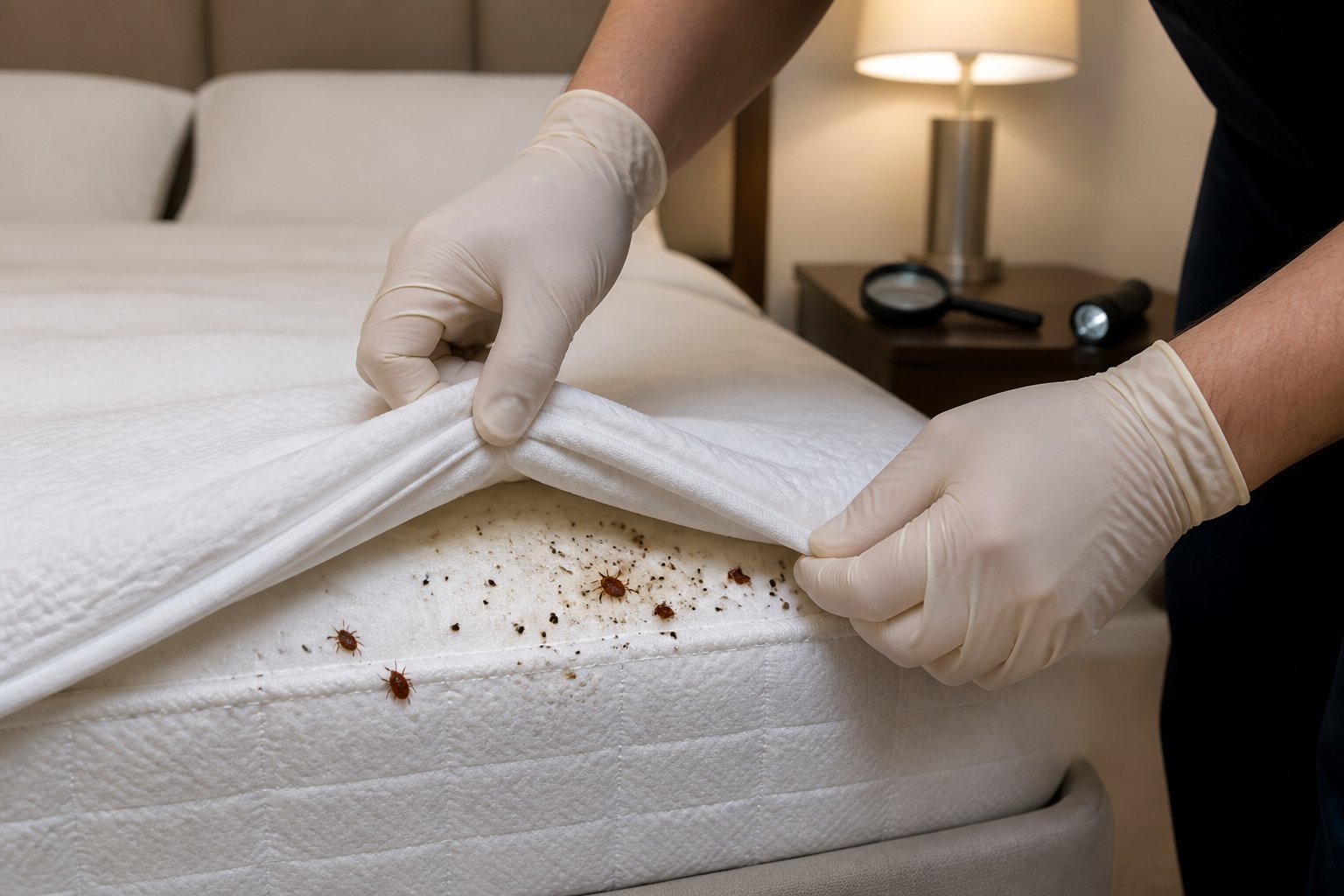
You can confirm bed bugs by looking for live bugs, eggs, shed skins, and dark spotting in the places they hide, especially around your bed.
The earlier you spot the signs of bed bugs, the easier it is to limit spread and choose the right next step.
How To Tell If Bed Bugs Are The Problem
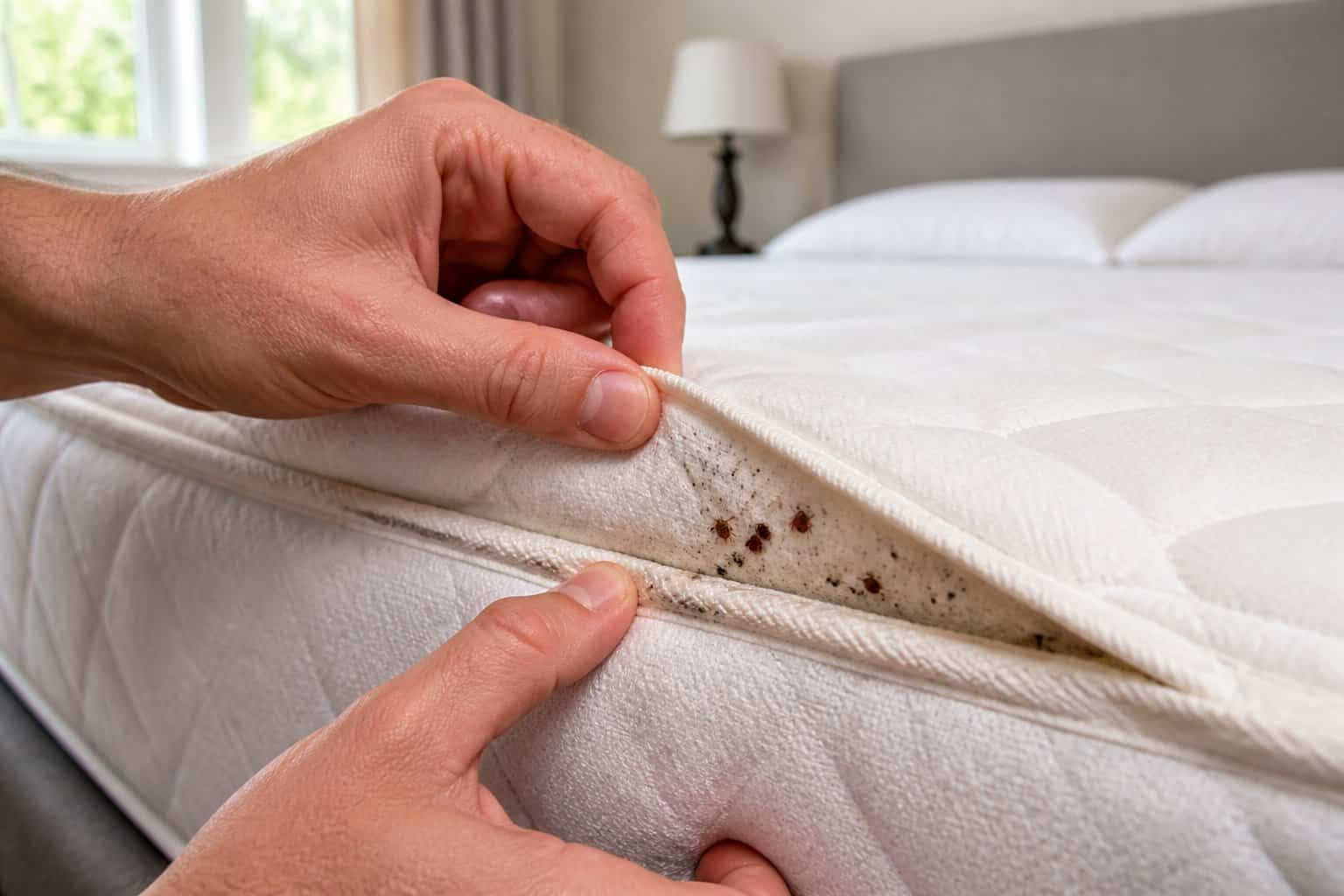
Bites may make you suspect bed bugs, yet they do not prove it. You need to compare skin symptoms with physical clues in the room, because bed bug bites can overlap with many other causes.
Why Bites Alone Do Not Confirm Anything
Bed bug bites and bite marks can look like many other insect reactions or skin irritations. Itching, an allergic reaction, anxiety, and insomnia can also make the situation feel more urgent, even when the cause is still unclear.
A bite pattern by itself is not enough to confirm bed bugs. The better test is whether you also find bed bug excrement, cast skins, eggs, or live bugs near where you sleep.
What Bed Bug Bites Commonly Look Like
Bed bug bites often show up on exposed skin after sleep, such as arms, shoulders, neck, or legs. They may appear as small red bumps, clusters, or lines, and the reaction can vary from mild to very itchy.
Because skin responses differ, the appearance can change from person to person.
The Most Reliable Physical Clues
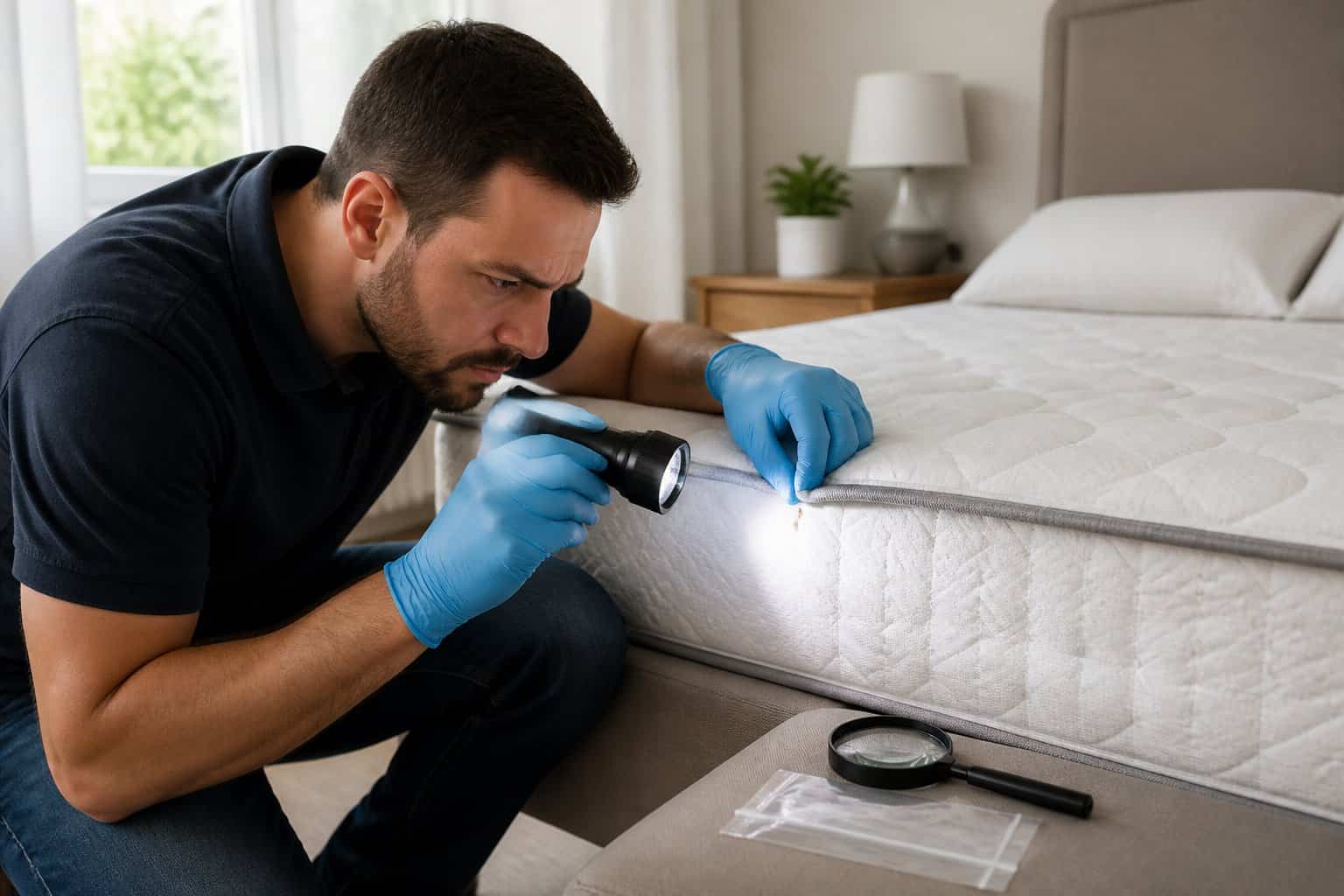
You get the best confirmation by finding actual evidence in the room. Look for dark spots that may be bed bug excrement, tiny pale eggs, shed skins, and live insects near the bed frame or mattress seams.
A musty odor can also appear in heavier cases, adding another clue that points toward signs of infestation.
Where To Check First In Sleeping Areas
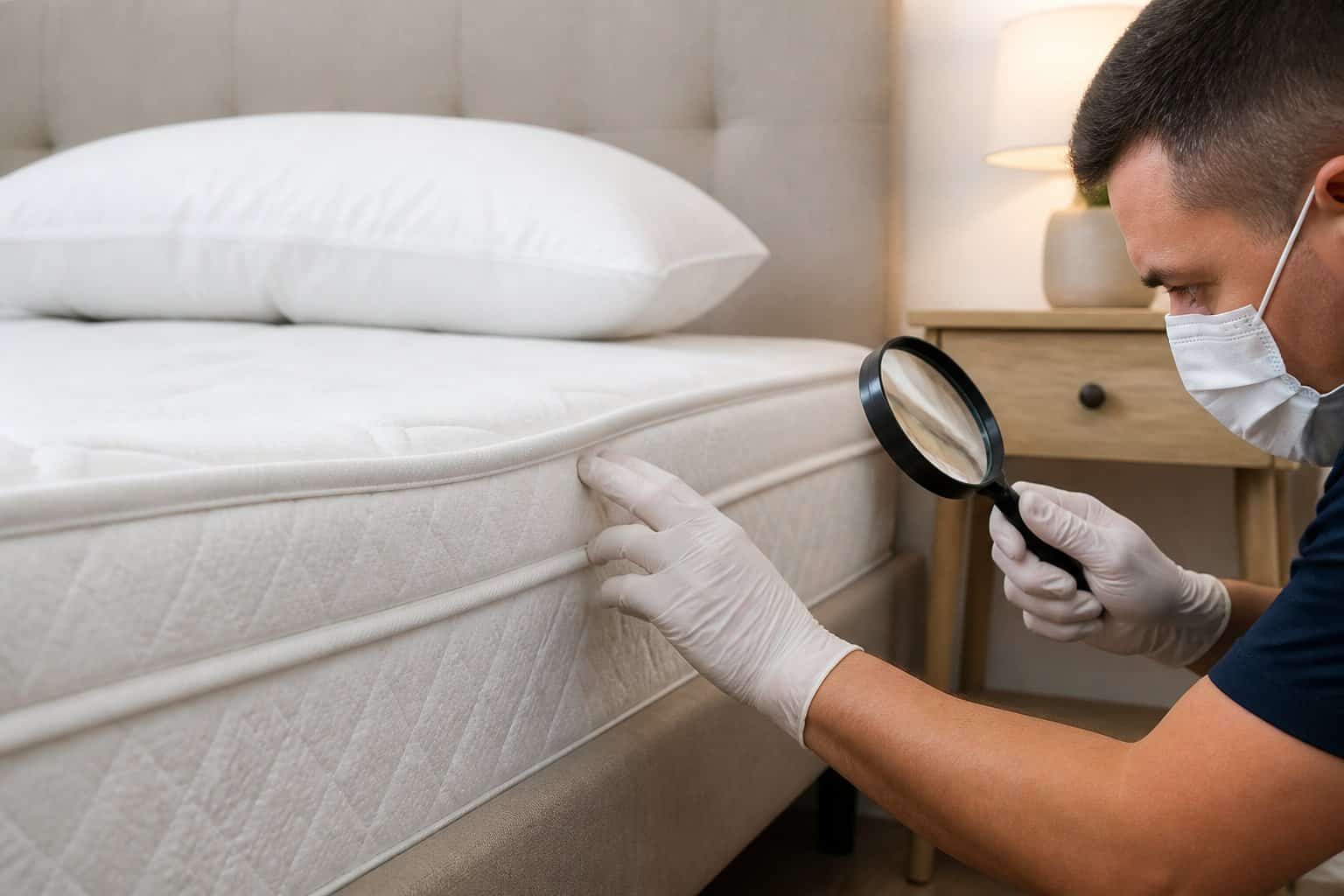
Start with the places closest to where you sleep, because bed bugs usually stay near people at rest. A focused search around the bed gives you the best chance of finding bed bug eggs, an adult bed bug, or other hidden evidence quickly.
Mattress Seams And Box Springs
Check mattress seams, tags, piping, tufts, and the underside of the mattress with a flashlight. Bed bugs and bedbug eggs often hide in tight folds and stitching, where they stay out of sight.
Lift the mattress and inspect the box springs too, especially along edges, staples, and fabric covers.
Bed Frames, Headboards, And Nearby Furniture
Look closely at bed frames, headboards, slats, and joints. Adult bed bugs often hide in screw holes, cracks, and small gaps close to sleeping areas.
Move to nearby nightstands, upholstered chairs, and dressers if the bed check turns up anything suspicious.
Cracks And Crevices Beyond The Bed
If you still do not find proof, expand to cracks and crevices around baseboards, outlets, and wall edges. Use slow, careful inspection rather than quick guessing.
Bed bugs can also hide in clutter, curtain folds, and nearby furniture, especially when an infestation is growing.
What Kind Of Bed Bug You Might Be Dealing With
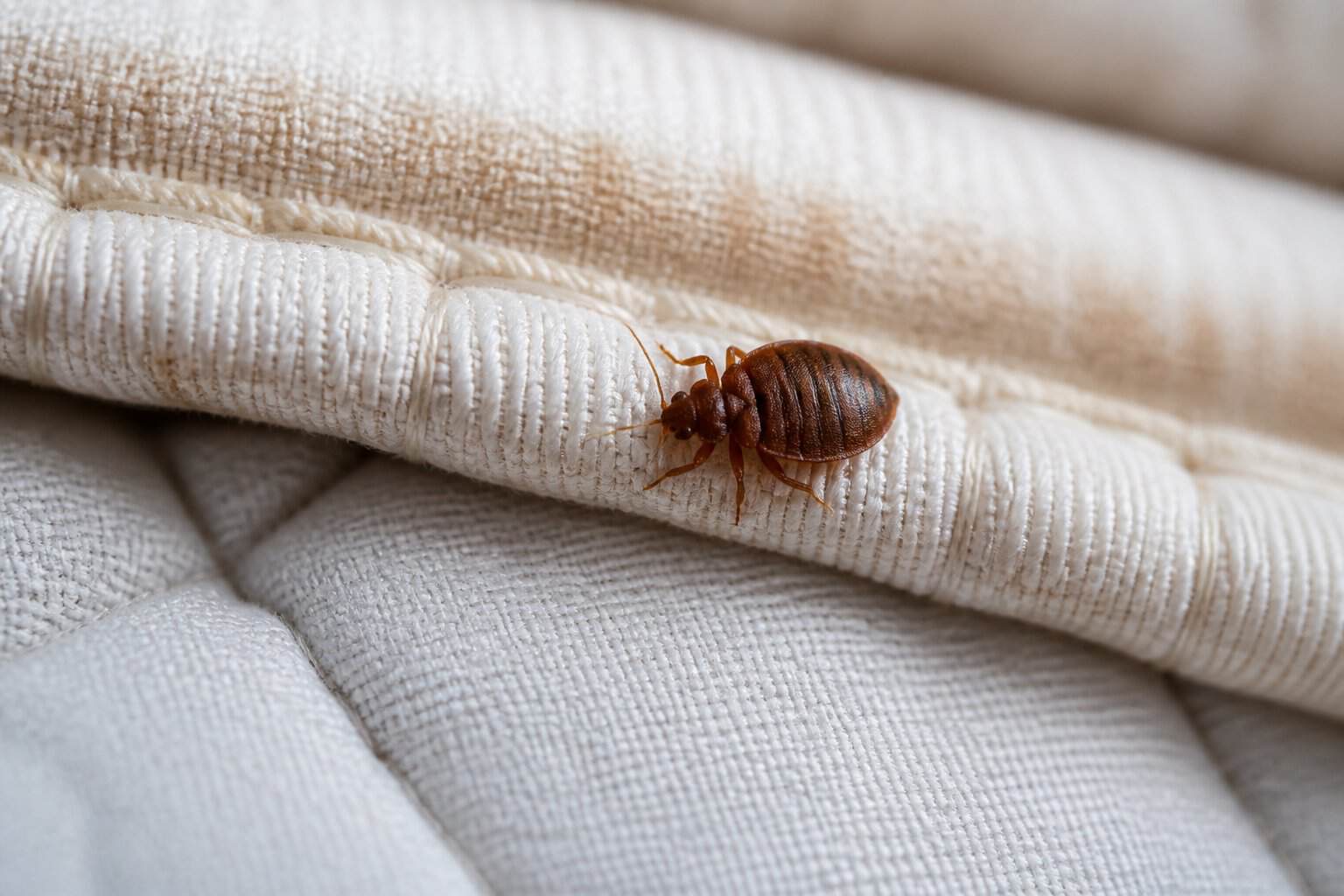
Not every similar-looking pest is the same species. The common bed bug is the one most people in the U.S. deal with, though other species can appear in certain settings.
Common Bed Bugs And Cimex Lectularius
The common bed bug, or Cimex lectularius, is the species most often found in homes. This species has a flat, oval body and is a well-known public health pest.
Common bed bugs are the main concern in typical bedrooms and apartments.
Tropical Bed Bugs And Cimex Hemipterus
Tropical bed bugs, or Cimex hemipterus, are more associated with warmer climates and travel-related introductions. They can look similar to common bed bugs, so location and context matter as much as appearance.
If you travel often or recently brought home luggage from a hotel or short-term rental, this possibility is worth keeping in mind.
How Bat Bugs Can Be Mistaken For Bed Bugs
Bat bugs can resemble bed bugs to the naked eye, especially during a quick glance. They are more likely to show up if bats have nested nearby, such as in attics or wall voids.
If your inspection points to bugs near sleeping spaces but not a clear bedroom infestation pattern, professional identification can help you avoid the wrong treatment.
What To Do Next If You Find Evidence
Once you have evidence, act quickly to keep the problem from spreading. The goal is to contain the infestation, monitor activity, and choose the right control method before it grows.
Immediate Steps To Limit Spread
Keep bedding, clothing, and other items from moving through the home unnecessarily. Seal items carefully, reduce clutter, and be cautious with luggage if you recently traveled, since bed bugs can hitchhike on personal belongings.
Use hot washing and high-heat drying when appropriate. Avoid spreading items from room to room.
Monitoring With Traps And Interceptors
You can track activity around the bed with bed bug traps and interceptors. Place interceptors under bed legs to catch wandering bugs and see if the problem is still active.
These tools help with monitoring and measuring whether your treatment efforts are working.
When To Use Professional Pest Control
If you find multiple bugs, widespread evidence, or signs that the infestation has moved beyond one room, consider calling a professional pest control service.
Professionals may use heat to kill bedbugs or apply targeted insecticides as part of a larger plan, depending on the situation.
In severe cases, pest control experts can help eradicate bed bugs and prevent their return.


