
If your dog has tangled with a skunk, you already know how overwhelming that stink can get. You might wonder if the spray is just a foul odor or something that could actually harm your pup.
Here’s some relief: skunk spray isn’t toxic to dogs, but it can definitely cause irritation and discomfort—especially if it gets in their eyes, mouth, or nose.

The smell alone is brutal, but how your dog reacts is what really matters. Skunk spray can bring on redness, swelling, and even nausea if your dog breathes it in or licks it.
Sometimes dogs need a vet’s help, though most bounce back with a good wash at home.
Knowing what to look for, and how to act fast, helps you protect your dog and ditch that awful odor as soon as possible. Want to know how skunk spray affects dogs and what you should do next? Let’s dive in.
Potential Health Effects of Skunk Smell on Dogs
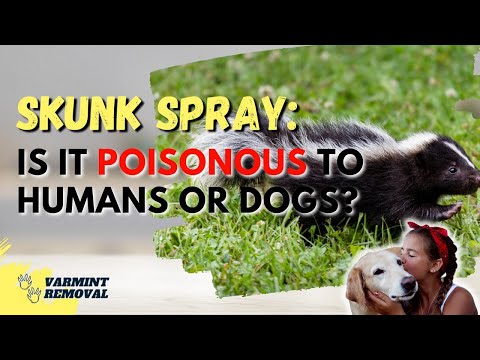
Skunk spray packs some seriously strong oils that do more than just stink up the place. These oils can irritate your dog’s eyes, nose, and mouth.
If your dog gets sprayed, keep an eye out for signs of discomfort and know when to step in. Acting quickly can make a big difference.
How Skunk Spray Affects a Dog’s Eyes, Nose, and Mouth
Skunk oil irritates your dog’s eyes, causing redness, swelling, and lots of tearing. It acts kind of like tear gas, and if it gets in the eyes, it could even cause temporary blindness.
The nose and mouth aren’t safe either. When spray hits these spots, your dog might feel burning, start sneezing, coughing, or have trouble breathing.
If skunk oil gets in your dog’s eyes or mouth, take it seriously. That irritation can turn into pain and inflammation fast.
Try not to rub your dog’s face—doing that just spreads the oil and makes things worse. Clean up gently and avoid getting more spray in sensitive areas.
Symptoms of Exposure to Skunk Odor
When a skunk sprays your dog, you’ll notice more than just a bad smell. Watch for:
- Nausea or vomiting
- Swelling around the face or eyes
- Drooling
- Sneezing or coughing
- Loss of appetite or just acting tired
These symptoms show up because the chemicals in skunk spray really bother your dog’s skin and mucous membranes.
You might see your dog rubbing or scratching the sprayed spots, which can make the skin red or even raw.
When Skunk Oil Becomes Dangerous
Usually, skunk spray isn’t poisonous, but it can still cause real problems. If your dog swallows the oil, it could trigger anemia—a drop in red blood cells—which needs a vet’s help right away.
The smell can hang around for weeks if you don’t treat it properly, and it might get even worse if your dog gets wet.
Skunk oil clings to fur and doesn’t wash out easily with water. The longer it stays, the more likely your dog will get skin irritation or feel stressed.
Veterinary Care for Skunk Spray Incidents
If your dog’s eyes or mouth got hit, or you notice vomiting or weakness, call your vet right away. Vets can use eye drops, fluids, and other treatments to help your dog recover.
For mild cases, vets often suggest odor neutralizers or a homemade mix with hydrogen peroxide and baking soda. That combo breaks down skunk oil and helps with the smell.
Be careful with DIY mixes—they can bleach fur or irritate skin if you’re not careful.
Don’t wait if your dog swallowed spray or is having trouble breathing. Quick vet care keeps your dog safe and speeds up recovery.
For more tips on getting rid of skunk odor, check VCA Animal Hospitals.
What to Do If Your Dog Is Exposed to Skunk Smell

If your dog gets sprayed, acting fast helps cut down on the odor and keeps your dog comfortable. You’ll want to check your dog’s health, clean them up safely, and use the right tricks to keep the smell from sticking around.
Immediate Steps to Take After Contact
Start by checking your dog closely. Look for red or swollen eyes, drooling, sneezing, or face rubbing—these mean the spray hit sensitive spots.
If your dog’s eyes look irritated, gently flush them with clean, lukewarm water for 15 to 20 minutes. Keep your dog outside or in a spot with good airflow so you don’t bring the smell inside.
Stop your dog from licking their fur or face, since that can make things worse. If you see vomiting, weakness, or breathing problems, call your vet right away. Sometimes skunk spray causes more serious health issues.
Safe Cleaning Methods for Removing Skunk Oil
Standard dog shampoo won’t cut it with skunk spray. You’ll need a special cleaning mix.
Try this:
- 1 quart of 3% hydrogen peroxide
- ¼ cup baking soda
- 1–2 teaspoons liquid dish soap
Wet your dog’s fur with warm water first. Rub in the mixture gently, keeping it away from eyes and mouth.
Let it sit for about 5 minutes, then rinse really well with water.
This mix might lighten your dog’s fur, but it’s safe for their skin. If the smell sticks around, you can repeat the wash.
Don’t store the mix for later—it loses its power pretty fast.
Preventing Long-Term Skunk Smell on Dog
Once you finish cleaning, dry your dog thoroughly. If you can, let them stay outside or in a spot with plenty of fresh air—this really helps the smell fade quicker.
Don’t reach for heavy perfumes or scented sprays. Those just trap the skunk oil in the fur and make things worse. Stick to commercial skunk odor remover shampoos, since they actually break down the spray’s sulfur compounds.
Take a look around your yard for any signs of skunk activity. Block off spots where skunks might hide, like under decks or in woodpiles, and make sure food sources are secure.
Keeping skunks away is honestly the best way to avoid future sprays and lingering odor issues.
If you want more tips on getting rid of skunk spray smell, check out What to do when your dog gets skunked – Cornell University.


