
Skunks might look pretty harmless as they shuffle around at night, but you might still wonder if they pose any real danger to you or your pets.
Honestly, skunks aren’t usually harmful unless they feel threatened or cornered. Their main defense is spraying a strong, stinky liquid—it’s super uncomfortable, but it rarely causes serious harm.

Skunks don’t really attack people, but they do carry diseases like rabies and other infections. That could be risky for your family or pets.
If you know how to spot skunk behavior and protect your home, you can avoid most problems and keep everyone safe.
How Harmful Are Skunks to Humans and Pets?
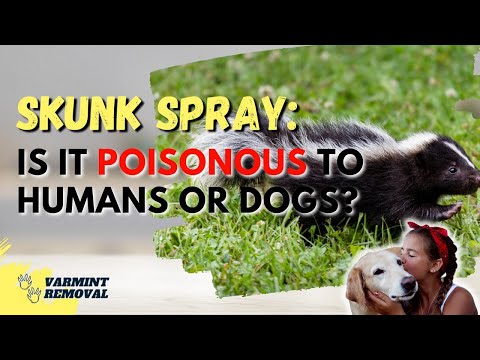
Skunks can cause problems for you or your pets, but that usually happens when they feel threatened or if they’re carrying diseases.
Their spray is annoying and tough to wash off. But the bigger health risks come from rabies and other infections.
If a skunk scratches or bites, that can also lead to infections.
Effects of Skunk Spray and Odor
Skunk spray is a strong-smelling liquid that sticks to skin, clothes, and pets. If a skunk sprays near your face, it can make your eyes red and watery.
The smell is just awful and can linger for days if you don’t treat it right away.
To get rid of the odor, try washing with a mix of hydrogen peroxide, baking soda, and dish soap. That combo breaks down the oily spray way better than just regular soap.
Don’t use only water—the smell will just stick around.
Skunk spray isn’t toxic, but it’s uncomfortable, especially for pets. Dogs might shake or rub themselves after being sprayed.
It won’t cause serious harm, but you’ll want to deal with it quickly.
Diseases Carried by Skunks
Skunks can carry some pretty serious diseases. The most dangerous is rabies, a viral infection that can be deadly if you don’t treat it fast.
Rabies spreads through bites or scratches from an infected skunk. If you see a skunk acting weird or out during the day, keep your distance.
They can also carry leptospirosis, which is a bacterial infection. That one can cause fever and kidney or liver problems in humans and pets.
Skunks often have parasites like fleas and ticks too, which can bring other illnesses.
If your pet comes in contact with a skunk or starts acting strangely after being outside, call your vet right away.
Keep your pets vaccinated and try to limit their exposure to wild skunks.
Physical Injuries From Bites or Scratches
Skunks usually avoid fights, but they’ll bite or scratch if they feel cornered or scared.
These wounds might get infected and could transmit rabies if the skunk is sick.
If a skunk bites or scratches you or your pet, wash the wound with soap and water right away. Then, get medical or veterinary help to check for infection or if you need a rabies shot.
Sharp scratches can cause pain and swelling. If you act fast, you lower the risk of complications.
Skunks don’t attack unless they feel threatened, so just giving them space is usually enough to keep everyone safe.
For more info about how skunks interact with humans and pets, check out Are Skunks Dangerous? Risks to Humans, Dogs & Cats Explained.
Skunk Behaviors and Risks in the Environment

Skunks mostly come out at night and have some unique ways to protect themselves if they feel threatened.
Their behavior and defense tricks can affect how you run into them, especially if you’ve got pets or live near wild areas.
Nocturnal Activity and Human Encounters
Skunks are nocturnal, so they’re out and about after sunset. You’ll spot them searching for insects, berries, or maybe a small rodent at night.
Because they wander at night, you might accidentally surprise one if you leave pet food outside or forget to secure your trash.
If you startle a skunk, it’ll warn you by stomping its feet or hissing before it sprays.
If your pet gets sprayed, it can cause eye irritation or even temporary vision loss. Try to keep pets on a leash at dusk or dawn and don’t leave food outside to avoid close run-ins.
Skunk Species and Natural Defenses
Skunks belong to the family Mephitidae. You’ll find several species in this group, and they all have similar ways to protect themselves.
Their main defense? It’s that infamous spray—a strong-smelling, oily chemical called thiols.
Usually, skunks warn you before they spray. They might raise their tail or stomp their feet.
That’s your cue to back off. If you don’t, and they feel trapped, they might scratch or bite, though honestly, that hardly ever happens.
Skunk spray won’t hurt you, but wow, it can make you miserable and the smell can stick around for days.
If you spot a skunk nearby, just give it plenty of space. Try not to surprise them, and you’ll probably both be fine.
Want to know more about skunk risks or how they act? Take a look at Are Skunks Dangerous? Risks to Humans, Dogs & Cats Explained.


