
So, is it safe to have a chimpanzee as a pet? Honestly, no—it’s not. Chimps have wild instincts and impressive strength, and those traits don’t just vanish because they’re living with people.
That’s what makes owning one risky, both for you and the animal.

Baby chimps might look adorable and seem manageable at first. But as they grow up, their behavior can shift dramatically.
They need specialized care and, more importantly, real social time with other chimps to stay healthy. That’s nearly impossible to provide at home.
There are also serious dangers—bites, injuries, and diseases that can pass between chimps and people.
Keeping a chimpanzee as a pet just isn’t safe, it’s usually illegal, and honestly, it’s unfair to the animal. If you’re curious about why chimps don’t fit the pet lifestyle and what makes keeping one so difficult, let’s dig in.
Is It Safe to Have a Chimpanzee as a Pet?
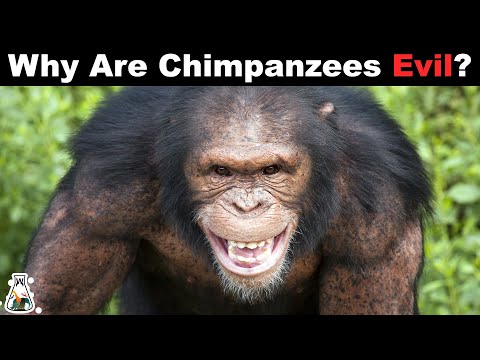
Bringing a chimpanzee into your home? That decision comes with a pile of challenges and risks you probably haven’t thought about.
Their strength, health issues, and unique needs set them worlds apart from a typical dog or cat.
Understanding Chimpanzee Behavior and Temperament
Chimpanzees aren’t domesticated—they’re wild, plain and simple. They’re about four times stronger than the average person.
That strength means their behavior can get dangerous fast, especially as they grow up.
Sure, young chimps might act playful and sweet. But as they get older, aggression often shows up.
Their wild instincts never really go away, no matter how much you try to train them. You can’t teach a chimpanzee to obey like a dog.
They also need to be around other chimps to pick up normal social skills.
Without that, captive chimps often start doing odd things—plucking their hair, rocking back and forth. These signs point to stress or boredom.
A pet chimp’s mood can flip in a heartbeat, which makes them a real safety risk.
Risks to Human Safety and Health
Chimps can cause serious injuries with their bites and hits. People often underestimate just how dangerous they can be as adults.
And then there’s the health side. Chimps can carry diseases like Ebola that jump to humans.
These zoonotic diseases put you and your family at risk.
You’d need a vet who actually knows how to treat chimps, which isn’t something most pet owners can find. Handling a chimp without proper training or equipment? That’s asking for trouble.
Impact on Chimpanzee Wellbeing
Pet chimpanzees usually end up lonely and stressed. In the wild, they live in groups and learn from their mothers.
Taking a baby chimp away from its mom causes a lot of harm, emotionally and physically.
Most homes just can’t meet a chimp’s mental or physical needs. Chimps kept alone often get depressed or develop health problems.
A lot of them wind up stuck in tiny cages, which is honestly just cruel.
Trying to own a chimp also fuels the illegal wildlife trade, putting wild populations at risk.
If you want to help chimps, supporting sanctuaries is a much better choice than trying to keep one as a pet.
For more on chimpanzee safety and care, check out Is It Safe to Have a Chimpanzee as a Pet? Risks, Laws, and Welfare.
Legal, Ethical, and Long-Term Considerations

Owning a chimpanzee isn’t just about cuddles and curiosity—it’s a legal and ethical minefield.
And honestly, the long-term commitment is huge. These issues affect not just you, but the chimp and wild populations too.
Laws and Regulations on Pet Chimpanzees
The law protects chimpanzees in lots of places because they’re endangered. In the U.S., the Endangered Species Act makes it illegal to own, import, or sell chimps unless you’ve got a special permit.
Most of those permits go to research or conservation groups, not private citizens.
Some states might allow pet chimps, but you’ll run into strict rules and tough permits. Others ban them outright.
Local laws can pile on even more restrictions.
With disease risks like Ebola, many countries have banned private ownership of chimps. The Captive Primate Safety Act aims to stop primate sales and fight illegal trade.
If you’re even thinking about owning a chimp, you’ll want to check the laws—closely.
Ethical Issues and the Pet Trade
Keeping a chimp as a pet just opens up a whole can of ethical worms. Chimps are smart and social; they need other chimps to thrive.
Taking babies from their mothers hurts their growth and emotional health.
The pet trade usually involves illegal trafficking. Many chimps get snatched from the wild or bred in rough conditions for private buyers or roadside zoos.
Buying from this trade just supports cruelty and puts wild chimps in danger.
You could also put yourself and others at risk, since chimps can become aggressive as they age.
Groups like Chimp Haven work hard to stop private sales and give chimps a better shot at life.
Challenges of Caring for Captive Chimpanzees
Looking after a chimpanzee takes a surprising amount of time, money, and space. These animals can live 40 to 60 years, sometimes even longer.
They crave complex social lives, mental challenges, and really specific diets. Most people just can’t offer them the space or care they actually need.
When chimps don’t get enough room or company, they get stressed out. Sometimes they turn aggressive, or their health just starts to fall apart.
You also have to find expert vets—good luck, because that’s expensive and not exactly easy. When people can’t keep up, chimps often end up in cramped cages or sketchy roadside zoos, which honestly just makes things worse for them.
So, if you’re even thinking about getting a chimp, maybe pause and really consider how much work and commitment it takes.


