
You can give squirrels plain pumpkin in small amounts. The flesh isn’t toxic, and it adds some vitamins, fiber, and water to their diet.
Offer pumpkin as an occasional treat, and skip seeds with salt or spices to keep squirrels healthy.

If pumpkins keep vanishing from your porch or garden, you’re not alone. Here’s how you can prep pumpkin pieces safely and cut down on damage while still helping out your local wildlife.
You’ll see which parts of the pumpkin work best, how often to offer them, and a few simple tips to protect your harvest.
Can Squirrels Eat Pumpkin Safely?
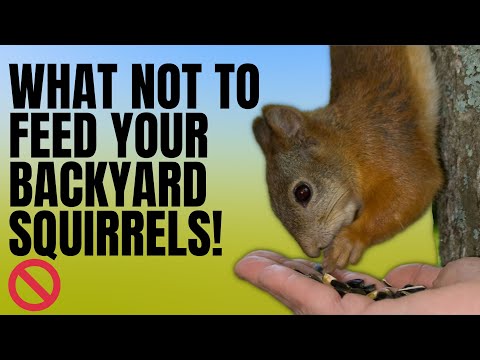
Pumpkin’s a safe, occasional snack for wild and pet squirrels if you stick to the right parts and don’t add sugar, salt, or spices.
Keep portions small and toss any spoiled or moldy bits before you put pumpkin out for your yard visitors.
What Parts of Pumpkin Can Squirrels Eat?
You can use raw or cooked pumpkin flesh. It’s soft, easy for squirrels to chew, and they’ll eat it if you cut it into little pieces.
If the rind’s thick or tough, just take it off—sharp edges aren’t great for tiny teeth.
Pumpkin seeds? Squirrels love them. Roast seeds without salt or oil and let them cool, or just offer raw seeds.
Skip any seeds that have salt, spices, or candy coatings.
Don’t offer pumpkin foods with added sugar, dairy, chocolate, or spices. Painted jack-o’-lanterns, fake blood, or LED inserts can really harm animals, so get rid of those before letting wildlife near.
If you use pumpkin as bait, put it somewhere that won’t draw in predators or make squirrels depend on people for food.
Risks of Feeding Pumpkin to Squirrels
Too much pumpkin can upset a squirrel’s stomach or cause diarrhea because of all the fiber and water.
Stick to small amounts—a few tablespoons for a small squirrel—as a treat, not a daily meal.
Moldy pumpkin is a big risk. If a squirrel eats rotten or moldy flesh, it can get sick from mycotoxins.
Look for soft spots, fuzz, or bad smells and throw out any pumpkin that seems off.
People often prepare pumpkins with stuff squirrels shouldn’t eat. Salted, sweetened, or spiced pumpkin seeds and canned pie filling aren’t safe.
Don’t give squirrels pumpkins that touched pesticides, cleaners, or chemicals.
Nutritional Benefits of Pumpkin for Squirrels
Pumpkin flesh gives squirrels hydration and a boost of vitamins A and C, which help their eyes and immune system.
The high water content can help during dry spells when fresh water’s hard to find.
Pumpkin seeds pack protein, healthy fats, and minerals like magnesium and zinc. These support muscle function and general health if you don’t overdo it.
Fiber in pumpkin helps digestion when it’s just a small part of the diet.
Pumpkin works best as a supplement to a squirrel’s usual mix of nuts, seeds, fruits, and plants—not as a replacement.
If you want more info, check out this practical guide to feeding pumpkins to wildlife: Squirrel Enthusiast Guide.
Tips for Offering Pumpkin and Protecting Your Garden

Pumpkin can be a safe treat if you prep it right.
Feed small pieces, offer seeds, or set up a feeding spot away from your flower beds and veggies.
Safe Ways to Feed Pumpkin to Squirrels
Cut fresh pumpkin into bite-sized chunks before you put it out.
Remove any moldy or soft parts first.
Raw pumpkin flesh and seeds are fine in moderation, but skip candied, spiced, or sugar-cooked pieces.
Offer pumpkin on a shallow dish or a flat rock to keep it clean and dry.
Swap out old pieces every day or two so nothing spoils.
Don’t leave whole pumpkins on porches near walkways—squirrels will chew them up and make a mess.
Never feed baby squirrels pumpkin. They need mother’s milk or formula until they’re weaned.
If you see a lot of squirrels, shrink the portion size so they don’t start relying on pumpkin as a main food.
Squirrel-Friendly Foods as Alternatives
Looking for variety? Offer unsalted nuts like walnuts, pecans, and hazelnuts in the shell.
These mimic what squirrels eat in the wild and help them store up calories for winter.
Sunflower seeds and plain, unsweetened pumpkin seeds also give them energy and fats.
A little fresh fruit—apple slices or berries—makes a nice treat now and then.
Don’t give them citrus, avocado pits, or processed foods.
Keep portions small to avoid tummy trouble and keep squirrels busy foraging.
Mix up what you offer so squirrels don’t ignore their natural food sources.
Put alternatives at the same feeding spot so they know where to look without raiding your garden.
How to Deter Squirrels from Decorative Pumpkins
Try putting carved or decorative pumpkins on metal or plastic stands to make chewing harder.
Spray a mild taste deterrent (something capsaicin-based) around, not right on, the pumpkin—test it first to make sure it doesn’t stain.
Motion-activated sprinklers can startle squirrels away without hurting them.
Move your pumpkins away from tree bases, fences, and garden edges where squirrels like to travel.
Wire mesh cages with 1/2-inch openings work well around valuable displays.
You might want to put a few sacrificial pumpkins in a less-visible spot to distract squirrels from your main decorations.
Don’t leave pumpkin pieces on porches near plants.
Clean up scraps daily and compost or toss out rotten pumpkins fast to keep wildlife from swarming your porch.
Setting Up a Squirrel Feeding Station
Pick a quiet, shaded spot, and make sure it’s at least 20 feet away from your vegetable beds. I usually go for a low, sturdy platform feeder or just a flat tray on a post.
Mount the post with a smooth metal pole or baffle—trust me, raccoons and cats really hate those. It keeps them from stealing the food.
Offer just a handful of nuts or maybe a few pumpkin chunks once a day. After 24 hours, take away whatever the squirrels didn’t eat.
This habit helps you avoid nuisance behavior and prevents the squirrels from getting too used to human handouts.
Keep things tidy. Sweep up shells and leftovers, and wash the tray with mild soap and water every week.
If you notice other animals showing up, just pause feeding for a week and move the station somewhere else.


