
Foxes can raise legal questions quickly, especially if one wanders onto your property or you consider moving it somewhere safer.
In the United States, whether it is illegal to release a fox depends on where the fox came from, where you plan to release it, and your state wildlife rules for that species.

In many states, the law prohibits releasing a fox if you relocate a wild animal off your property. Rules get stricter when the fox is native, injured, or considered nuisance wildlife.
Check with your state wildlife agency before you touch, trap, or transport a fox.
When Releasing A Fox Is Illegal

State and local rules treat fox release as a wildlife handling issue instead of a simple property matter.
If you move a fox away from where you captured it, you may violate laws about unlawful relocation.
The Difference Between On-Site Release And Off-Property Relocation
If you catch a fox on your land and release it right there, some places allow that in limited situations.
Moving the fox to a park, field, or forest miles away often requires a trapping license, a federal permit, or both.
How State And Local Wildlife Laws Usually Apply
Your state wildlife agency sets the baseline for these rules.
Local ordinances can add more limits. City and county rules may ban keeping, transporting, or releasing nuisance wildlife even when state law is more flexible.
Why Species-Specific Rules Change The Answer
The rules change depending on whether you deal with red foxes or gray foxes.
Some states allow only certain captive-bred species, while native foxes may be protected from possession, transport, or release without special approval.
Why Wildlife Agencies Restrict Relocation
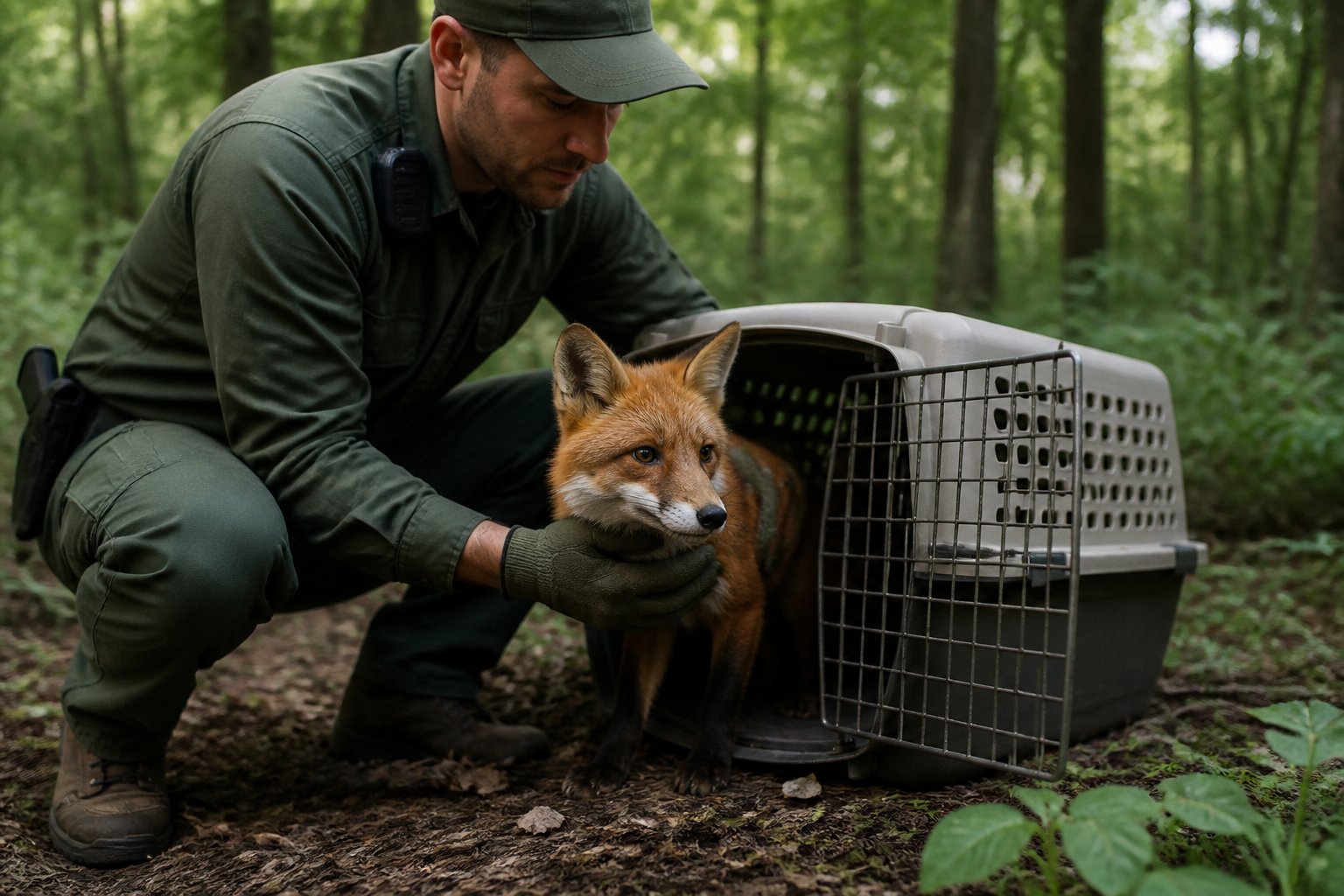
Wildlife agencies limit relocation because moving an animal can spread disease, disrupt habitat balance, and create worse outcomes for the fox.
Rabies And Other Disease Risks
Foxes can be part of disease-control planning due to rabies concerns.
Agencies use similar caution for raccoons, skunks, coyotes, opossums, mink, muskrats, weasels, deer, and other small mammals. Moving a wild animal can spread pathogens into a new area or expose people, pets, and wildlife to unnecessary risk.
Territory Stress, Survival, And Animal Welfare
A relocated fox may not know where to find food, cover, or safe shelter.
Territorial stress can push it into conflict with resident animals or leave it exposed to traffic, predators, or starvation.
What To Do If A Fox Is On Your Property
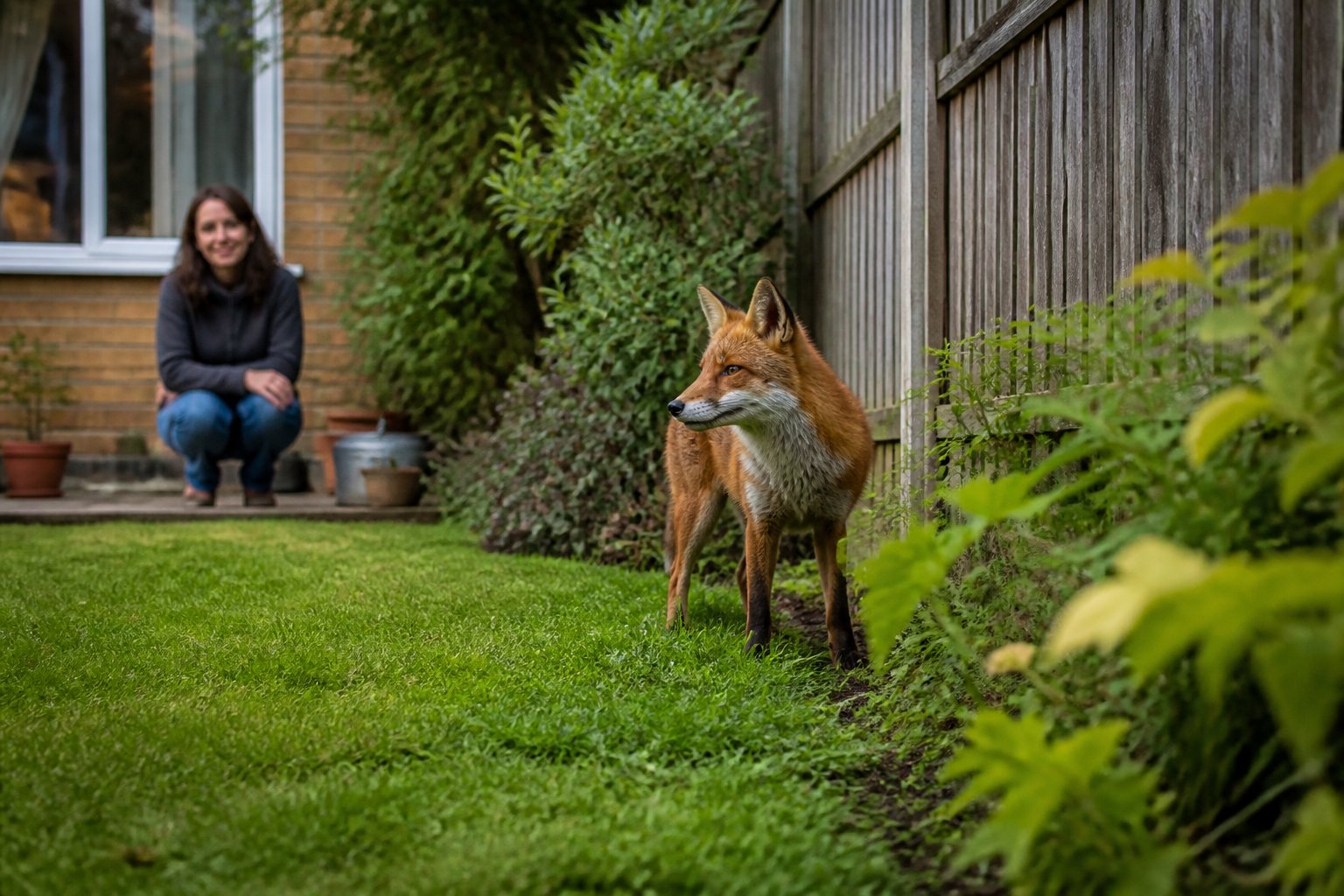
A fox on your property does not always mean danger.
The right response depends on whether the fox acts normally, causes damage, or appears injured or trapped.
When You Can Handle The Situation Yourself
If the fox is simply passing through, give it space and remove attractants like pet food, fallen fruit, trash, and open compost.
For common nuisance wildlife issues involving foxes, coyotes, groundhogs, chipmunks, and squirrels, simple deterrence often works better than capture.
When To Call A Licensed Wildlife Professional
Call a licensed wildlife professional if the fox seems sick, stuck, aggressive, or unable to leave on its own.
A professional can tell you whether the animal needs removal, observation, or referral to your state wildlife agency.
Humane Prevention Instead Of Trap And Move
You can often solve the problem with fencing, secured trash, covered compost, and removing food sources near dens or cover.
Humane prevention is usually safer than trapping and avoids legal problems that come with moving nuisance wildlife.
How Fox Rules Compare With Other Common Nuisance Species

Fox rules are only one part of a larger nuisance-wildlife picture.
Other species may fall under state removal rules, while some birds trigger separate federal oversight.
Small Mammals Often Covered By State Removal Rules
Animals such as mice, rats, voles, shrews, moles, and hares are often handled under local or state pest-control rules instead of the stricter wildlife rules for foxes.
That does not mean every removal method is allowed, so check your state’s limits before trapping or releasing anything.
Birds That May Trigger Separate Federal Oversight
Birds such as crows, blackbirds, woodpeckers, European starlings, grackles, and pigeons can involve a different legal framework than mammals.
If you deal with birds, federal protections and local nuisance rules may matter as much as state law.
Why Property Owners Should Verify Local Enforcement First
Local enforcement varies widely, even within the same state.
Before you release, relocate, or trap any animal, check what your city, county, and state wildlife agencies actually allow. The rule you hear from a neighbor may not match the code that applies to your address.


