
Ever wonder if those droppings in your garden came from a hedgehog or a rat? Hedgehog poo tends to be longer, cylindrical, dark brown or black, and often has a shiny look with insect bits in it. Rat droppings, on the other hand, are smaller, shorter, and much more uniform—kind of like little grains of rice. Figuring out which is which can help you understand what’s visiting your garden and whether you need to do anything about it.

If it’s a hedgehog, you’ll probably spot droppings scattered as they wander around. Rats usually leave clusters of droppings close to their nests or wherever they find food. Noticing these patterns makes it much easier to tell who’s been around, even if you never actually see them.
Curious about what else to look for? This guide breaks down how to tell hedgehog poo from rat droppings with some straightforward tips you can use in your own garden.
Key Differences Between Hedgehog and Rat Droppings
When you spot animal droppings, checking the size, shape, smell, and where you find them gives you clues about which animal is nearby. These details can tell you a lot about the wildlife visiting your space.
Identifying Hedgehog Poo by Appearance
Hedgehog poo usually shows up as dark brown or black cylinders, like little sausages. It can be up to 5 cm long, so it’s bigger than what rats leave behind.
You might even notice bits of insect shells, worm parts, or beetle wings inside because hedgehogs eat a lot of bugs. The texture feels solid and rough, never slimy.
Sometimes it looks shiny from all those bug parts. If you spot green or slimy droppings, that could be a sick hedgehog and maybe it needs some help.
Recognizing Rat Droppings
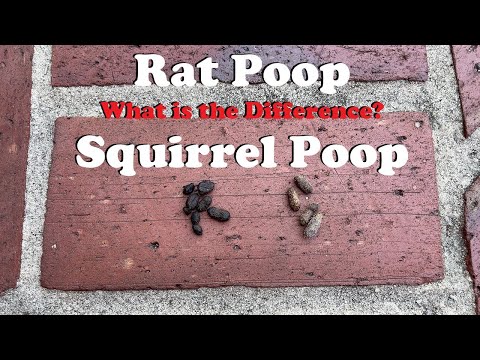
Rat droppings are much smaller—usually just 1 to 2 cm long—and range from light brown to black. They look pretty uniform, often blunt or a bit pointy at one end, so they really do look like tiny grains of rice.
They’re soft and sometimes even a little slimy. The smell isn’t great either; it’s got that sharp, urine-like scent.
Rats don’t usually leave droppings out in the open. They prefer hidden spots—holes, sheds, under debris—so if you find droppings in tucked-away places, rats are a good guess.
Typical Locations for Each Animal’s Waste
You’ll mostly find hedgehog poo in open, quiet places—think garden paths, flower beds, or tucked by hedges. Hedgehogs often use the same spot over and over, so their poo can be easy to spot.
Rats leave their droppings in dark, hidden places. Look inside sheds, under floors, or along walls. You’ll often find them near food or nesting sites, but almost never out in the open.
Health and Safety Considerations
Rat droppings can spread germs that are harmful to people, like leptospirosis. Always use gloves if you need to clean them up and disinfect any surfaces where you find them.
Hedgehog poo isn’t as risky, but it can still carry parasites. Wash your hands well after handling anything like this, and keep pets and kids away from wild animal droppings just to be safe. If you want more detailed advice, check out resources on wildlife poo identification.
Common Misconceptions and Garden Wildlife Clues

It’s surprisingly easy to mix up different animal droppings in your garden. Knowing what to look for helps you figure out what wildlife is around and if you should do anything about it.
Frequently Mistaken Signs in the Garden
People often confuse hedgehog poo with rat droppings, mostly because both look dark. But hedgehog droppings are typically cylindrical, about 1.5-5 cm long, and solid with bits of insects or worms mixed in.
Rat droppings are smaller—about 1-2 cm—with one end pointy and the other flat. They’re usually soft and slimy and have that strong urine smell.
If you notice droppings left out in the open at night or early morning, you’re probably looking at hedgehog poo. Rats prefer to keep their business hidden.
Distinguishing Other Wildlife Droppings
You might spot droppings from other animals, too:
- Fox poo: Dark, long, twisted, and often stuffed with fur or feathers.
- Cat poo: Lighter in color, soft, with a strong smell, and shaped like a small log.
- Rabbit droppings: Tiny hard balls, usually in clusters, yellowy brown or green.
- Badger droppings: Firm, sausage-shaped, with a sweet or musky smell, and often found in special pits called latrines.
Spotting these differences helps you figure out which animals are hanging around your garden.
What Droppings Tell You About Your Local Wildlife
Animal droppings can reveal a lot about which creatures wander through your garden and how healthy they are.
Let’s say you spot green, slimy hedgehog poo—chances are the hedgehog isn’t doing well and could use some help.
If you come across fresh droppings, the animal probably just passed by and might still be hanging around. Sometimes you’ll see hedgehog paw prints too, kind of like tiny human hands on their front feet.
Learning to notice these little details helps you look out for wildlife or realize when an animal might need some care.
Curious about hedgehog droppings? There’s more info here: What Does Hedgehog Poo Look Like? – Scottish SPCA Advice.


