
You can absolutely keep seahorses alive, but it’s not something you just wing. It takes steady care, the right tank setup, and a real commitment to regular feeding.
If you’re willing to keep water conditions stable, feed them well, and give them a calm space, you’ll have a good shot at healthy seahorses in your home aquarium.

So, why do seahorses need special conditions? What problems do people run into? And how do you set up a tank that works for them?
Let’s walk through some practical steps so you can figure out if seahorse care matches your time and patience.
Expect tips about tank size, water flow, feeding routines, and some low-stress maintenance habits that actually matter.
If you follow these basics, you’ll know whether keeping seahorses is the kind of challenge you want to take on.
Why Keeping Seahorses Alive Is Challenging
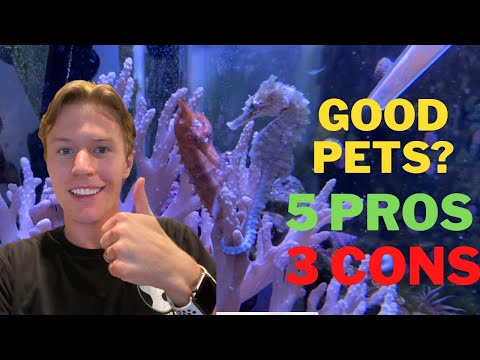
Seahorses need you to pay attention to several things at once. You’ll manage their diet, tank setup, water chemistry, and pick a species that matches your experience.
Unique Needs of Seahorses
Seahorses use their tails to hitch onto plants and move around slowly. Give them plenty of soft hitching posts—think macroalgae, fake corals, or even some creative rockwork—so they can rest without having to fight the current.
They really prefer gentle, steady water flow. Strong pumps will stress them out and make it tough to eat.
Fast tankmates or sudden changes can stress seahorses easily. Keep them with slow, peaceful companions or in a species-only tank if you can.
Look out for stress signs like not eating or tails clamped tight.
If you’re new, go for captive-bred seahorses. They adapt to aquarium life much better than wild-caught ones.
Learn about the specific species you want—knowing their quirks helps you keep them healthy for the long haul.
Specialized Feeding Requirements
Seahorses eat in a pretty unique way—they’re ambush feeders with tiny, tube-like mouths. Give them high-quality foods they’ll actually eat, like frozen mysis shrimp, enriched brine shrimp for babies, and live copepods or amphipods if you can get them.
Adults usually do best with frozen mysis shrimp. Juveniles need newly hatched brine shrimp (enriched, if possible) until they can handle bigger prey.
You’ll probably end up target-feeding each seahorse. Use a syringe, turkey baster, or even a feeding ring.
In a community tank, faster fish will steal their food, so plan your feeding times and methods carefully.
Feed them multiple times a day—if you skip meals, you’ll see it in their weight and behavior pretty quickly.
Water Quality and Maintenance
Seahorses want very stable water chemistry. Keep the temperature around 72–78°F (22–26°C), salinity at 1.024–1.026 SG, and pH between 8.1–8.4.
Ammonia and nitrite should be at zero. Keep nitrate under 10 ppm if you can.
Test your water often and actually write down the results. That way, you’ll spot problems before they get serious.
Use gentle filtration and a protein skimmer, but don’t create strong currents. Change out 10–20% of the water each week and vacuum up uneaten food to keep ammonia down.
Quarantine any new animals for 4–6 weeks. This really helps you avoid bringing in disease.
Watch for signs like rapid breathing, skin issues, or a seahorse that stops eating—jump on those problems fast.
Choosing the Right Seahorse Species
Some species just aren’t great for beginners. Hardy, captive-bred types like Hippocampus erectus (the lined seahorse) or certain H. kuda variants handle aquarium life better.
Longsnout or delicate species like H. reidi or wild-caught H. comes need expert care and very precise conditions.
Choose your species based on your tank size and how much work you’re willing to put into target-feeding every day.
Check out the adult size and temperament—some get big and need more space.
Go with captive-bred stock whenever you can. It lowers disease risk and really improves your odds.
Setting Up and Caring for a Seahorse Aquarium

You’ll need steady water flow, lots of hitching spots, and a strict routine for feeding and cleaning. Pick equipment that keeps dissolved organics low, choose tankmates wisely, and always watch for early signs of illness.
Aquarium Size and Design
Go for at least 30 gallons if you want a pair of larger seahorses. Dwarf species need smaller tanks but actually require more frequent feeding, so don’t assume they’re easier.
A taller tank is better than a wide, shallow one. Seahorses like to use vertical space and swim upright.
Use a sturdy stand and a tight lid. You don’t want them jumping or water evaporating too fast.
You can go bare-bottom for easy cleaning or use fine aragonite sand (0.5–1.5 mm) if you want a cleanup crew like Nassarius snails or sea cucumbers.
Add open rockwork or artificial “trees” so the water can move through and detritus doesn’t build up.
Stick to a species-only or mostly species-only setup. Mixed reef tanks with aggressive corals or fast fish usually stress seahorses out and steal their food.
Tank Equipment and Filtration
Get a protein skimmer rated for a bigger tank than you have. It helps reduce dissolved organics and lowers disease risk.
Pair that with mechanical filtration and maybe a refugium or macroalgae patch. That’ll help control nitrate and provide microfauna.
Use gentle, consistent circulation. Aim for a turnover of about 10–25x per hour, but don’t blast the seahorses directly.
Position covered powerheads to create steady, gentle currents. Add a sponge filter if you want extra biological filtration without strong suction—especially if you’re raising fry or have small seahorses.
Do weekly water changes, 10–25% depending on how many animals you have. Mix RODI water to the right salinity and temperature.
Keep a quarantine tank ready for new arrivals or any sick seahorses. It’s a pain, but it really helps keep your main tank healthy.
Selecting Tankmates and Hitching Posts
Pick tankmates that won’t nip at seahorses or outcompete them for food. Peaceful gobies, small blennies, and peppermint shrimp usually work pretty well.
Skip aggressive or fast fish—they’ll steal food and stress everyone out.
Give your seahorses lots of hitching posts: artificial gorgonians, plastic chains, and soft corals made for aquariums all work.
Put hitching posts at different heights and near gentle flows so seahorses can sit and hunt comfortably.
Brightly colored hitching posts often encourage natural color changes and make target feeding easier.
If you use sand, add a few cleanup crew members like Nassarius snails or small sea cucumbers.
Watch how everyone interacts and be ready to remove any tankmate that turns into a problem.
Monitoring Health and Preventing Disease
Keep an eye on your seahorses’ feeding habits every day. When you use a feeding station and offer frozen Mysis, you can make sure each one gets enough to eat.
Watch for their appetite, how well they grip with their tails, and whether they hunt normally. If you notice any changes, like a lack of interest in food or odd movements, it might mean they’re stressed or getting sick.
Always quarantine new arrivals for at least 2–4 weeks. During this time, look for parasites, bacterial infections such as Vibrio or Mycobacterium, or any signs of gas bubble disease.
Try to keep your water parameters steady. Don’t overfeed, since extra food just adds dissolved organics that can help pathogens thrive.
If your seahorse seems lethargic, is losing weight, or you spot white, stringy feces, check your water quality right away. Move the affected seahorse to a separate tank.
Before you try antibiotics, talk to a vet or someone with real experience in the hobby. When feeding fry with baby brine shrimp, make sure there’s a gentle water flow.
Set up a separate nursery with sponge filtration. That way, you’ll protect those tiny seahorse fry from getting sucked into the filter.


