
Seeing a barn owl can feel like a special moment. These beautiful creatures are often seen as symbols of good luck, especially for farmers, as they help control rodent populations. Spotting a barn owl is indeed a positive sign that brings joy and benefit to your environment.

You might wonder where to catch a glimpse of these nocturnal birds. They are most active at night and can be found hunting in fields, marshes, and even near barns. Their ghostly appearance and silent flight add to their mystique, making any encounter memorable.
Knowing that you’re witnessing such an important part of the ecosystem adds to the excitement. Whether you’re an avid birdwatcher or just curious, seeing a barn owl can deepen your appreciation for wildlife.
Understanding Barn Owls

Barn owls are fascinating creatures known for their unique physical traits and behaviors. You will discover their characteristics, the different species and subspecies, and their diverse habitats around the world.
Physical Characteristics
Barn owls, especially the well-known species Tyto alba, are easily recognized by their striking appearance. They have a distinctive heart-shaped face that helps them to hear even the faintest sounds.
Their feathers are mostly tan and white, providing excellent camouflage in their natural environments. You might notice their dark, round eyes, which enhance their nighttime vision. This owl species is nocturnal, making it a master at hunting rodents under the cover of darkness.
Because of their silent flight, they are natural pest controllers. A barn owl can consume several mice in one night, helping farmers manage pest populations effectively.
Species and Subspecies
The barn owl has several subspecies that vary slightly based on their geographic locations. While Tyto alba is the primary species, you’ll find different types in regions across North America, Europe, Asia, and Australia.
Each subspecies may have unique adaptations to their environment. For instance, barn owls in North America may have slightly different coloring compared to those in Europe. These variations are fascinating and show how adaptable barn owls are as they thrive across different landscapes, including fields, meadows, and woodlands.
Habitat and Range
Barn owls inhabit a wide range of environments, which contributes to their success as a species. You can find them in open areas like grasslands, fields, and agricultural lands where their primary food source, rodents, is abundant.
Their range extends from North America to South America, Africa, Europe, and Asia. In each habitat, barn owls prefer locations that provide sheltered nesting sites, such as old barns, tree cavities, or high cliffs. This choice of habitat not only supports their hunting life but also provides safety for raising their young.
Barn Owl Behavior and Diet
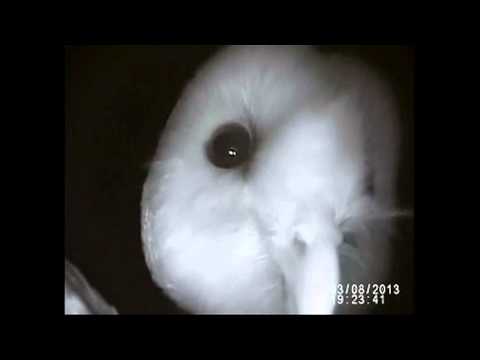
Barn owls are fascinating creatures with unique hunting habits and dietary needs. Understanding how they hunt, what they eat, and their nesting behaviors can give you greater insight into these intriguing birds.
Hunting Patterns
Barn owls are renowned for their hunting skills, primarily active during the night. As nocturnal hunters, they rely on their acute hearing to locate prey in the darkness. This allows them to detect the faintest sounds made by small mammals.
They are known for their silent flight, thanks to specialized feathers that minimize noise. This stealth enables them to approach unsuspecting rodents. Their primary targets include mice, rats, voles, and shrews. By hunting these small rodents, barn owls play a vital role in controlling pest populations.
Dietary Preferences
Your diet consists mainly of small mammals, particularly rodents. Adult barn owls can consume multiple prey items in one night, often feeding on three to five rodents nightly. They prefer mice and rats, but will also eat small birds, reptiles, and insects if necessary.
This diet makes barn owls invaluable for farmers, as they help reduce the need for chemical pest control. Each barn owl can consume a significant number of pests, making them a natural form of rodent control.
Breeding and Nesting Habits
Breeding barn owls typically begin nesting in the spring. They often use natural hollows, but you can also find them in man-made nest boxes. Creating nesting sites can encourage barn owls to settle in your area, which is beneficial for pest control.
The female lays 2 to 18 eggs, depending on the availability of food. After hatching, the young owls depend on their parents for food and care. The nesting season is a critical time for these birds, as they must ensure sufficient resources are available for their growing chicks.
Attracting and Supporting Barn Owls

Creating a safe and welcoming space for barn owls in your area can promote their population. By understanding what they need in terms of habitat and conservation, you can play a role in protecting these fascinating birds.
Creating a Barn Owl-Friendly Environment
To attract barn owls, start with suitable nesting sites. You can place a barn owl box in a quiet, sheltered area. Ensure it is high enough to keep it safe from ground predators.
Habitat Essentials:
- Open Fields: They prefer large hunting grounds with low vegetation.
- Limited Grazing: Keep grazing to a minimum to protect the vole population, which is their main food source.
Providing a diverse ecosystem can also help. Plant native plants and maintain areas of undisturbed grassland. Avoid using rodenticides, as these can harm barn owls. Encourage your neighbors to do the same, creating a safer environment for these birds to thrive.
The Importance of Conservation
Barn owls are currently classified as of least concern, but conservation efforts remain vital. Loss of habitat directly impacts their numbers. By supporting local conservation programs, you contribute to maintaining their population.
Participating in awareness campaigns is another way to help. Make sure your community understands the importance of barn owls as natural pest control agents.
Benefits of Conservation:
- Rodent Control: A single family can consume thousands of rodents per year.
- Biodiversity Support: Healthy populations of barn owls indicate a balanced ecosystem.
By fostering wildlife-friendly practices, you help ensure barn owls continue to grace our landscapes. Your actions can make a real difference in their conservation journey.
Recognizing and Appreciating Barn Owls

Recognizing a barn owl can be a wonderful experience for anyone interested in nature. These unique birds have distinct features and cultural meanings that add to their value in the environment.
Identification Tips
To identify a barn owl, look for its pale overall appearance. Their heart-shaped face and large, dark eyes make them stand out. You may notice gray and brown feathers blending into their environment, which helps them as night hunters.
Barn owls are often called ghost owls due to their silent flight and pale plumage, making them seem ethereal as they glide through the night. Listen for their distinctive vocalizations, often described as eerie shrieks. Unlike other owls, they do not hoot like great horned owls or screech owls.
Knowing these characteristics helps you appreciate their beauty and skills as nocturnal birds. Spotting one can be a magical moment, especially if you witness their graceful hunting style.
Cultural Significance
Many societies hold barn owls in high regard. They often see them as symbols of wisdom and intuition. In some cultures, people believe that spotting a barn owl can bring good luck or signals an important change ahead.
These birds have also been labeled as demon owls in folklore, sometimes associated with omens. Despite these superstitions, many admire them for their hunting abilities as effective pest controllers.
Understanding their role in ecosystems and cultures can deepen your appreciation for barn owls. They are not just beautiful creatures; they also contribute significantly to the balance of nature.


