
If you’ve ever found yourself wondering whether buffalo is classified as beef or venison, you’re not alone. Many people are curious about the differences between these types of meat.
Buffalo meat comes from the American buffalo, also known as bison, and is neither beef nor venison.

While buffalo is often compared to beef because of its taste and texture, it is distinct and offers its own unique flavor profile. Bison is leaner and has a slightly sweeter taste than traditional beef. Understanding where buffalo fits in can help you make informed choices about your meals.
As you explore the fascinating world of buffalo meat, you’ll discover its nutritional benefits and culinary versatility. It’s a great alternative for those looking to try something new while still enjoying the robust flavors of red meat.
Understanding Buffalo Meat

Buffalo meat is often confused with other types of meat, like beef and venison. Knowing its nutritional profile and health benefits can help you understand why it might be a great choice for your diet.
Buffalo, Bison, and Water Buffalo: Clearing the Confusion
Many people mix up buffalo and bison. In the U.S., “buffalo” typically refers to the American bison. Water buffalo, found mostly in Asia, is another type. While all three are similar, their flavors and textures differ slightly.
Bison meat is known for being leaner and richer in protein than beef. Water buffalo meat is darker and has higher fat content.
When choosing buffalo meat, you’re often selecting bison, which is a great source of lean protein and essential amino acids.
Nutritional Profile of Buffalo Meat
Buffalo meat is nutrient-dense. It has a low fat content compared to beef, making it appealing for those seeking healthier options.
Typically, 3 ounces of buffalo meat contains:
- Calories: Approximately 150
- Protein: Around 26 grams
- Fat: About 2.5 grams
- Cholesterol: Roughly 60 milligrams
In addition to protein, buffalo meat is high in important vitamins and minerals. It provides significant levels of iron, which supports your blood health, and zinc, crucial for your immune function.
Buffalo meat also contains B vitamins like vitamin B12, important for energy production.
Health Benefits of Consuming Buffalo
Choosing buffalo meat can be beneficial for your health in several ways. Its low fat content makes it a smart choice for heart health and weight management.
The omega-3 fatty acids found in buffalo meat support brain health and lower inflammation.
Regular consumption of buffalo can help improve your protein intake without added cholesterol. Rich in iron and zinc, it helps boost your energy and supports your immune system. Eating buffalo meat can be a delicious option while providing the nutritional benefits you need to maintain a balanced diet.
Culinary Aspects of Buffalo Meat
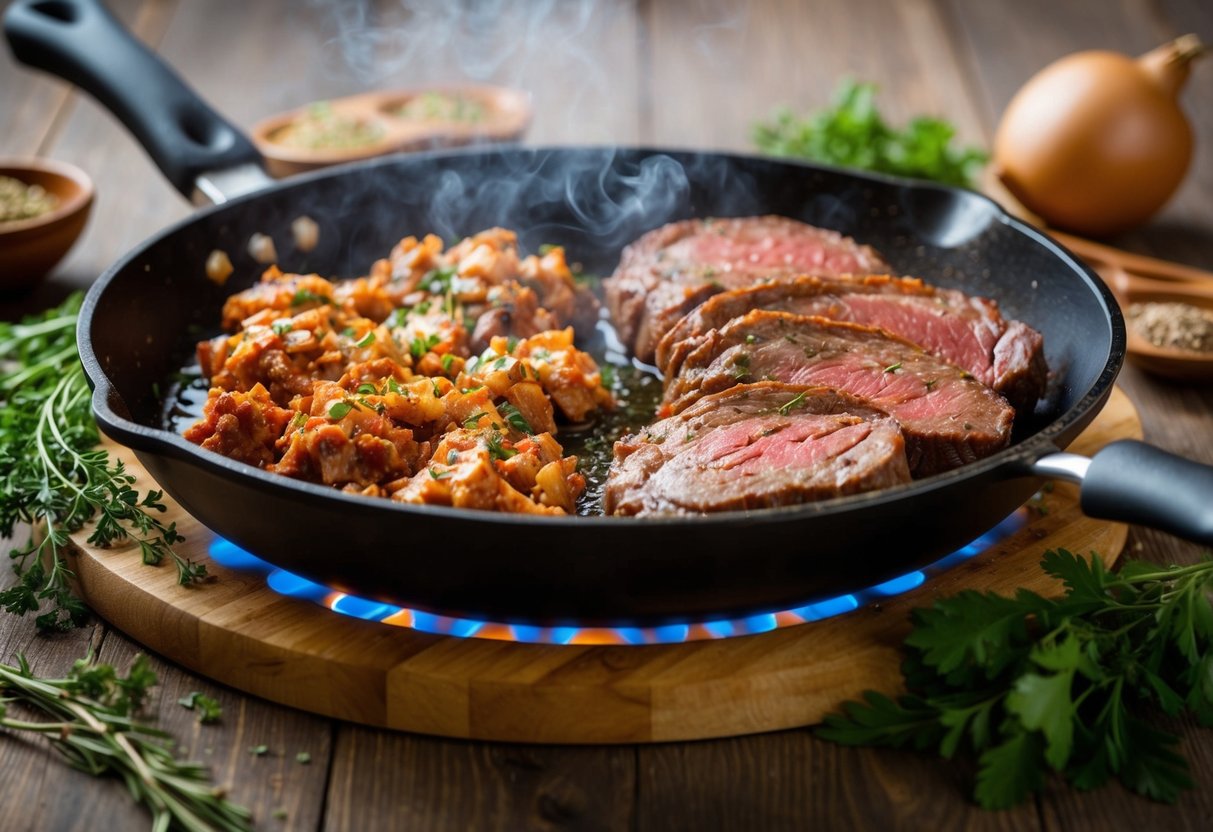
Buffalo meat, often referred to as bison, offers unique culinary benefits. Its lean quality and rich flavor make it a fantastic choice for various dishes. You’ll find that cooking methods and flavor pairings can elevate your meals to a new level.
Cooking Techniques and Methods
When it comes to cooking buffalo meat, various techniques work really well. You can grill steaks or burgers to bring out their natural flavors.
Since buffalo is leaner than beef, it’s important to cook it properly to maintain tenderness. Try grilling at medium heat. This helps retain moisture and prevent overcooking.
For ground buffalo, stews and braises are excellent options. They allow the meat to absorb flavors from herbs and spices, enhancing your dish.
Slow cooking is a great method too, especially for tougher cuts. This breaks down the meat fibers and results in a juicy meal.
Additionally, you can experiment with stir-fries or roasts, incorporating vegetables and sauces for varied textures and flavors.
Flavor Profile and Food Pairings
Buffalo meat has a unique flavor profile that sets it apart from beef and venison. It tends to have a milder gamey taste, making it versatile for cooking. The natural diet of buffalo, often grass-fed, adds to this depth of flavor.
Pair buffalo with complementary ingredients. Fresh herbs like rosemary or thyme work well. Strong spices, such as cumin or paprika, can also enhance its taste.
For sides, consider roasted vegetables or earthy grains like quinoa. These options balance the meat’s lean qualities. Sausages and jerky made from buffalo are also tasty snacks, perfect for any time of day.


