
You’ve probably heard some wild claims about seahorses swapping sexes. The truth? It’s actually a bit simpler—and honestly, way cooler.
Most seahorses don’t change sex. Females lay eggs, and males carry them in a brood pouch. The whole “sex change” idea pops up in a few confusing reports, but it’s not the norm.

If this surprises you, stick around. I’ll explain why people get mixed up about sex change, what’s up with the male brood pouch, and whether any seahorse species actually switch roles.
You’ll get the real facts and see the difference between changing roles and actually changing sex.
Can Seahorses Change Gender?
Seahorses have some weird and wonderful ways of reproducing. Some species can change sex, but it’s not as common as people think.
Scientists are still figuring out the details of how and why these shifts happen.
Understanding Sequential Hermaphroditism
Sequential hermaphroditism basically means an animal changes sex at some point in its life. In fish, this can go from female to male, or the other way around.
Some close relatives of seahorses—like pipefish and seadragons—show this trait in certain populations.
But not all seahorses do this. Most stick with the same sex from birth.
When it does happen, hormones, gonad tissue, and behavior all shift over weeks or months. It’s not like flipping a switch.
A few things to know:
- It’s a real biological change, not just swapping roles.
- Hormones like estrogen and androgens guide the process.
- Scientists look at gonads, gene activity, and behavior to confirm a sex change.
Gender Roles Versus Gender Switching in Seahorses
Seahorses already blur gender roles—males carry the babies in a pouch. But that doesn’t mean they change sex.
In most species, males fertilize eggs and brood them, but they stay genetically and anatomically male.
If a seahorse truly switches sex, you’ll see changes in reproductive organs and mating signals. Just acting differently isn’t enough.
What actually shows a true switch?
- Ovarian or testicular tissue developing or shrinking.
- Long-term changes in hormone levels.
- New secondary sexual traits, like color or pouch development.
Researchers use dissections, hormone tests, and gene studies to tell the difference between role changes and real sex changes.
Why Seahorses Change Gender
Why would a seahorse change sex? It usually comes down to survival and reproduction.
If there are too many of one sex, changing can help balance things out and make breeding more successful.
Things like social structure, mate availability, and even stress from the environment can trigger a switch.
For instance, if there aren’t enough large males, a female might become male to get more chances to mate.
This flexibility helps small or scattered populations keep going.
Some of the main factors:
- Social setups and mate ratios.
- How crowded the population is.
- Pressures from the environment, like temperature or habitat loss.
Scientists study both wild and captive seahorses to figure out what really triggers these changes.
Common Misconceptions About Seahorse Gender
Let’s clear up a few myths. Not all seahorses change sex, and male pregnancy doesn’t mean a male turns into a female.
Male pregnancy just means the male broods fertilized eggs in his pouch. Most males stay male.
Another common myth says seahorses can switch sexes whenever they want. That’s just not true.
The process takes time and involves big changes inside the body. And not every species can do it.
Quick facts worth remembering:
- Male pregnancy isn’t sex change.
- Only some species show sequential hermaphroditism.
- Scientists are still digging into the genetics and environmental factors behind which seahorses can change and why.
Unique Reproductive Strategies of Seahorses
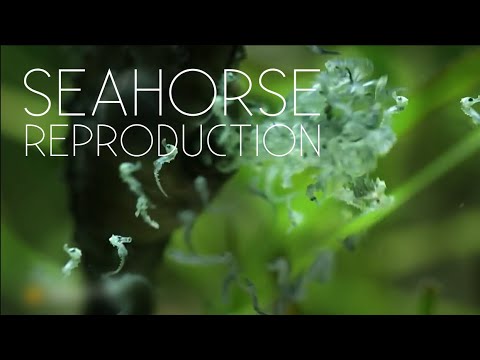
Seahorses have some odd but fascinating ways of making babies. Males carry embryos, pairs court and mate in quirky ways, and different species make the most of habitats like seagrass beds to hide and survive.
Male Pregnancy and Brood Pouch Function
Male seahorses get eggs from females and tuck them into a brood pouch on their belly.
Inside the pouch, eggs settle in and the male supplies oxygen through tiny blood vessels. He also controls salt levels to help the embryos grow.
The pouch protects the embryos from predators and infection while they develop. Gestation can last from two weeks to over a month, depending on the species and water temperature.
When it’s time, the male pushes out the fully formed young with muscular contractions.
This gives him direct control over embryo survival and makes sure he’s the dad.
Some seahorse species have more complex pouches with better blood supply. These differences help embryos survive in cooler or brackish waters, where conditions can change quickly.
Courtship, Mating, and Parental Care
Seahorse pairs put on daily courtship dances before mating. You might catch them changing color, swimming side by side, or even linking tails.
These dances help synchronize egg transfer and build a pair bond, which can last for a whole breeding season or even longer.
During egg transfer, the female uses an ovipositor to place eggs into the male’s pouch. The male fertilizes and incubates them.
Once the babies are born, they’re on their own—no more parental care after release.
Courtship also helps reduce stress and boost mating success. But in crowded or risky habitats, pairs might skip the long dances and get straight to mating.
Human impacts like damaged seagrass beds or poor water quality can mess with these rituals and lower the chances of successful reproduction.
Seahorse Species and Habitat Adaptations
Different seahorse species adapt their bodies and behaviors to fit the places they call home. You’ll often find them in seagrass beds, mangroves, or tangled coral rubble.
They use those quirky prehensile tails to grip grass blades or branches. This trick lets them stay hidden from predators and keeps them close to their next meal.
Honestly, spotting a seahorse isn’t easy. They’re masters of camouflage, changing color or sprouting little skin filaments to disappear among seagrass and algae.
Seahorses living in clear coral areas usually look slimmer and show off brighter colors. The ones in murky or weedy spots? They’re chunkier and blend in much better.
Habitat loss really hits these creatures hard. When seagrass beds vanish, seahorses lose breeding grounds and safe places for their young.
If you care about their future, try supporting efforts to protect coastal habitats. Even backing sustainable fisheries can help keep those vital plants around.


