
Seahorses really do look magical, don’t they? Still, they need very specific care. You can keep a seahorse as a pet, but only if you’re ready for a specialized tank, steady water quality, and a proper diet.

If you want a calm, unusual animal that does some fascinating things, a seahorse might be rewarding. You’ll have to learn about aquarium setup, compatible tankmates, precise feeding, and ongoing maintenance if you want them to thrive.
This post covers those key factors and walks you through the essentials of setup and daily care. That way, you can figure out if a seahorse really fits your life.
Key Factors in Deciding if a Seahorse Makes a Good Pet

Seahorses need steady water conditions, frequent feeding with the right foods, and specific tank mates. Before you bring one home, plan your tank size, filtration, and a regular feeding routine.
Seahorse Temperament and Behavior
Seahorses move slowly and gently, spending most of their time clinging to plants or decorations with their tails. They won’t chase food, so you have to offer small, frequent meals—live or frozen copepods, mysis shrimp—close to where they perch.
They often form pairs or small social groups. Many species bond closely with one mate, which is kind of sweet, honestly.
Avoid aggressive, fast swimmers because they’ll outcompete seahorses for food. For healthy seahorses, watch for upright posture, a strong tail grip, clear eyes, and normal breathing.
Seahorses can’t swim well compared to most reef fish. You’ll need low-flow filtration and calm tank currents. Patience is key here; they like gentle routines, not surprises.
Species Best Suited for Home Aquariums
Some species do better in captivity than others. Good choices include the lined seahorse, Barbour’s seahorse, longsnout types, and certain dwarf seahorses like Hippocampus zosterae.
These species are smaller and often easier to feed than larger types like the tiger tail seahorse or Hippocampus erectus. Go for captive-bred seahorses if you can. They adapt faster to prepared diets, have less stress, and help reduce wild collection.
Check the seller’s reputation and ask about diet history and quarantine. Match your tank size to the species: dwarf seahorses can live in smaller tanks, but larger Hippocampus types need at least 20–50 gallons, with vertical space and lots of hitching posts.
Choose tankmates carefully. The best companions are quiet, slow-moving fish or harmless invertebrates.
Expected Lifespan and Health Concerns
Lifespan varies by species. In captivity, many live between one and five years, though some can make it longer with really good care.
Diet, water quality, and stress levels all play a big role. Common health issues include bacterial infections, parasites, and nutritional deficiencies.
Pay attention to eating habits, tail grip, and skin condition. If you notice rapid weight loss, white spots, or lethargy, act quickly.
Quarantine new arrivals and keep water parameters steady—temperature, salinity, and low nitrates. Some species have legal restrictions, so check local rules before buying.
Essential Setup and Care for Pet Seahorses
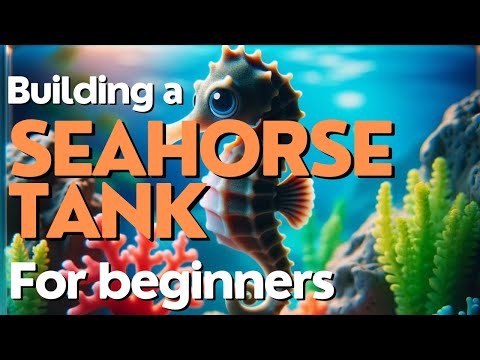
You’ll need a stable tank, steady water, gentle flow, proper food, and peaceful tankmates. Set up equipment that keeps water clean and gives seahorses places to rest and grab with their tails.
Seahorse Aquarium and Equipment Needs
Pick a tall 30-gallon tank as the minimum for a pair. Bigger is better for stable water.
Use a heater to keep the temperature between 72–77°F (22–25°C). Salinity should stay at 1.020–1.025 and pH between 8.1 and 8.4.
Install gentle filtration and position the outflow so currents stay calm. A sponge filter or baffled filter works well for low flow and good filtration.
Add live rock for biological filtration. Branching decor or artificial gorgonians make perfect hitching posts.
Go for a bare-bottom tank or use fine sand to make cleaning easier. Ammonia and nitrite should always be at 0 ppm, and nitrate under 20 ppm.
Test your water weekly and do 10–20% water changes each week. That’s how you keep the quality up.
Feeding and Nutrition for Seahorses
Feed small, protein-rich meals two or three times a day. Frozen mysis shrimp should be the main food—thawed and vitamin-enriched.
Offer live foods like enriched brine shrimp or copepods sometimes to encourage hunting and help picky eaters. Use a feeding station or ring to keep food in one place and cut down on waste.
Remove uneaten food after 20–30 minutes so ammonia doesn’t spike. Keep an eye on body condition; a round belly means things are good, but rapid weight loss means trouble.
If you get wild-caught seahorses, quarantine them and get them eating frozen mysis before adding them to your main tank. Keep vitamin supplements around and mix up the diet now and then to avoid deficiencies.
Choosing Suitable Tank Mates
Pick slow, peaceful species that won’t outcompete seahorses for food. Small gobies, some blennies, and pipefish usually work.
Avoid fast or aggressive fish like tangs, wrasses, and most clownfish. Dragonets can be tricky—they eat small invertebrates, so only keep them if you can feed both species well.
Small cleaner shrimp can be okay, but large or predatory inverts aren’t safe. Match tankmate size and temperament to your seahorse species.
Always quarantine new animals to reduce disease risk. Check compatibility before you add anything, and skip fish that stir up strong water movement or steal food.
Daily Maintenance and Common Challenges
Check water temperature and salinity every day. Take a look at the filters too.
Scoop out any uneaten food. Watch your seahorses—notice their posture and check if they’re eating.
Swap out filter media when needed, but don’t make big changes all at once. Sudden shifts will mess with water stability.
Keep an eye out for gas bubble disease or signs of infection. If you spot a seahorse floating strangely or not eating, grab your test kit and check the water right away.
Do a small water change if something seems off. Quarantine any sick seahorses, and reach out to a vet or someone experienced for advice.
Jot down water test results, feeding amounts, and anything unusual you notice. These small daily habits—steady feeding, gentle filtration, and regular water changes—make a big difference for your seahorses’ health.


