
If you’ve ever thought about having a raccoon as a pet, you’re not alone. These clever creatures can be cute and entertaining, but they also come with unique challenges. Raccoons can be playful companions, but they are not typical pets. They require a lot of time, effort, and specific care.

Before diving into the world of exotic pets, it’s essential to weigh the pros and cons of owning a raccoon. You’ll need to consider their behaviors, dietary needs, and habitat requirements.
Raccoons are highly curious and require plenty of space to roam and play. This means your home should be well-prepared for their antics.
As you explore the idea of bringing a raccoon into your life, it’s important to stay informed about their needs and potential legal issues. With proper knowledge, you can determine whether a raccoon fits your lifestyle and expectations as a pet.
Understanding Raccoons as Pets
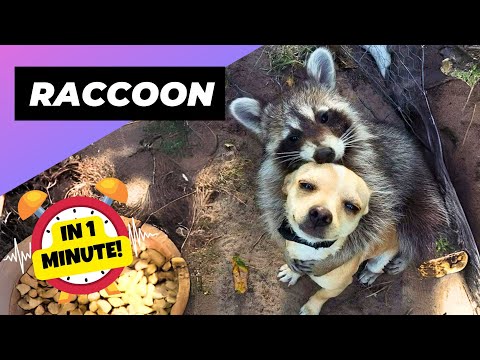
Raccoons can be fascinating companions, but their unique traits and needs are important to understand. These animals are intelligent and can be playful, but they also have behaviors that can pose challenges for pet owners.
Physical and Behavioral Characteristics
Raccoons are highly intelligent animals known for their curiosity and problem-solving skills. They can be very playful and enjoy exploring their surroundings. This is part of why they can be fun as pets. However, being nocturnal means they are active at night and may disrupt your sleep if kept indoors.
As omnivores, raccoons require a varied diet. In the wild, they eat fruits, insects, and small animals. When kept as pets, it’s essential to provide them with a balanced diet that mimics their natural eating habits.
Raccoons can also be mischievous. They may chew on cords, climb shelves, and get into everything. This behavior means your home must be raccoon-proofed to keep them safe and your belongings intact.
Raccoons in the Wild Versus Domesticated Raccoons
In the wild, raccoons live in social groups and can roam large areas. They hunt for food, communicate with others, and demonstrate natural instincts for survival. These behaviors are less prominent in domesticated raccoons, which live in a home environment.
While domesticated raccoons can adapt to living with humans, they still retain their wild nature. This means they may not behave like traditional pets, such as dogs or cats. Their instincts can lead to behaviors like climbing and digging, which can be a challenge for pet owners.
Also, it’s important to remember that keeping raccoons may be subject to local legal restrictions in many areas. Always check your local laws before considering a raccoon as a pet.
Caring for Your Pet Raccoon

Caring for a pet raccoon requires specific attention to their housing, diet, and health needs. By focusing on these areas, you can create a safe and nurturing environment for your unique companion.
Housing and Space Requirements
Raccoons need lots of space to roam and explore. A secure, spacious enclosure is essential. This enclosure should mimic their natural habitat as much as possible.
Consider an outdoor pen that is at least 10 feet by 10 feet with a secure top. Raccoons are excellent climbers and can escape easily. Inside the enclosure, provide climbing structures, hiding spots, and enrichment toys to keep them entertained.
If you’re keeping your raccoon indoors, ensure that your home is raccoon-proof. Remove any objects they could damage or that could harm them. You may need to supervise them during playtime to prevent mischief or accidents.
Raccoon Nutrition and Diet
A balanced diet is crucial for your raccoon’s health. Raccoons are omnivores and thrive on a mix of proteins and vegetables.
Good food options include:
- Lean meats like chicken and turkey
- Eggs for protein
- Fruits and vegetables like carrots, peas, and berries
Raccoons require special attention to portion sizes. Overfeeding can lead to obesity. A daily serving of 1/4 to 1/2 cup of food is a good guideline. Always provide fresh water as well.
Avoid dog food high in fat, but low-fat dog kibble can be a treat. Research options like the Mazuri Omnivore Diet that provide balanced nutrition for your pet.
Healthcare for Raccoons
Regular healthcare is essential for developing strong wellness in your raccoon. Exotic animal veterinarians are best qualified to treat them. Routine check-ups can help prevent and catch potential health issues early.
Be aware of zoonotic diseases that can be transmitted between raccoons and humans. Keeping vaccinations up to date is important for both your raccoon and your family.
Consider spaying or neutering your raccoon to prevent health issues and reduce behavioral problems. Regular check-ups should include examinations for parasites and routine vaccinations. This proactive healthcare approach contributes to a happy and healthy life for your pet raccoon.
Legal and Ethical Considerations

When thinking about having a raccoon as a pet, it’s important to understand the legal and ethical concerns involved. These factors can significantly affect your ability to bring a wild animal into your home and how to care for them properly.
Regulations on Exotic Pet Ownership
In many places, it is not legal to own a raccoon. Laws vary greatly depending on your location. Some states allow ownership with a special permit, while others have stricter bans on keeping raccoons as pets.
Before considering a raccoon, check your local and state regulations. You may face penalties if you do not comply. Failure to follow these laws can lead to fines, confiscation of the animal, or other legal troubles. Knowing the rules can help you make an informed decision.
Ethical Implications of Owning Wild Animals
Owning a raccoon also comes with ethical questions. Raccoons are wild animals with complex needs that are hard to meet in a domestic setting. When you keep a raccoon as a pet, you could limit their natural behaviors and social interactions.
Animal welfare advocates argue that keeping raccoons as pets may not be fair to the animal. They believe raccoons thrive in the wild, where they can express their instincts. Before deciding to own a raccoon, consider if you can provide the care they need to live a happy and healthy life.
Challenges and Rewards of Raccoon Ownership

Owning a raccoon can be both exciting and demanding. While these animals can be entertaining companions, they also come with unique challenges that potential owners should consider. Understanding their behavior and the pros and cons can help you decide if a pet raccoon is right for you.
Behavioral Challenges and Enrichment
Raccoons are known for their playful and curious nature. However, they can also be quite the escape artists. You may find that your pet raccoon can outsmart typical pet-proofing methods, so secure your home and yard properly.
Training a raccoon can be difficult. They are intelligent and can learn commands, but some may resist housetraining. Be prepared for possible biting, especially if they feel threatened or scared.
To keep your raccoon happy, you’ll need to provide plenty of mental and physical enrichment. Toys and puzzles can stimulate their minds and prevent destructive behaviors. Regular interaction with you is crucial to satisfy their social needs.
Pros and Cons of Having a Raccoon as a Pet
Several pros come with having pet raccoons. They can be very entertaining and have unique personalities. Their playful antics can bring laughter and joy to your home.
However, there are significant cons. Raccoons are known carriers of diseases, such as rabies, which can pose a risk to you and your other pets. They can also be dangerous to smaller animals.
You should also consider the implications of sexual maturity. This can lead to aggressive behavior in males. You’ll need to be committed to your raccoon’s needs. A long-term relationship with a pet raccoon is rewarding, but it requires time, effort, and resources.


