
Huskies are known for their striking appearance and energetic personalities. Many dog lovers wonder, is the Siberian Husky a large breed? The Siberian Husky is considered a large breed, typically weighing between 35 to 60 pounds. This places them in a unique spot that sometimes leads to confusion with medium-sized dogs.

If you’re looking to adopt or learn more about Huskies, knowing their size can help you prepare for the commitment. The American Kennel Club recognizes them as a large breed that stands between 20 to 24 inches tall at the shoulder. Understanding where they fit in can help you decide if they are the right fit for your lifestyle.
Whether you’re curious about their energy levels, space needs, or just want to learn more about their traits, this article will guide you through everything you need to know about Huskies and their classification as a large dog breed.
Understanding Husky Size and Breed Classification

When you think about sizing dogs like the Husky, it can be a bit confusing. The Siberian Husky is often classified as a medium to large dog. They fit this classification because they weigh between 35 to 60 pounds.
The American Kennel Club (AKC) recognizes Huskies as a medium-sized breed. In comparison, large dogs typically weigh over 60 pounds. Huskies stand about 20 to 23 inches tall at the shoulder, making them taller than many medium-sized dogs.
Another breed to consider is the Alaskan Malamute. They are often larger than Huskies, usually weighing between 75 to 100 pounds. So, if you are choosing between these breeds, size is a key factor.
Here’s a quick comparison:
| Breed | Weight Range | Height Range |
|---|---|---|
| Siberian Husky | 35 – 60 lbs | 20 – 23 inches |
| Alaskan Malamute | 75 – 100 lbs | 23 – 25 inches |
Understanding these classifications helps you choose the right breed for your lifestyle. If you have space and love for a more active dog, a Siberian Husky might be a perfect fit. Just remember, their energy levels require plenty of exercise!
Genetics and Growth Patterns of Huskies
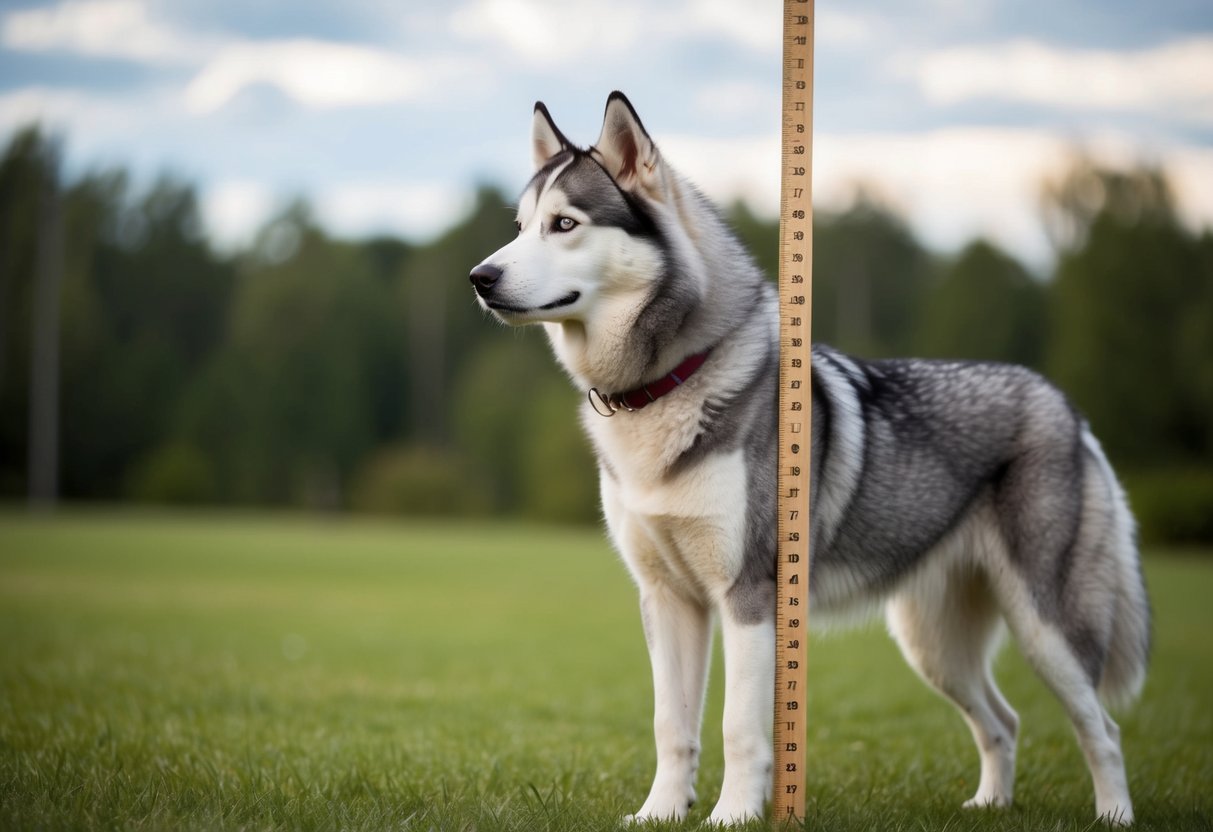
When considering whether a husky is a large or extra-large dog, genetics play a crucial role. Different breeds, like the Siberian Husky and the Alaskan Husky, can vary in size and growth patterns.
Siberian Huskies typically grow to be medium to large. Males usually stand between 21 to 24 inches tall and weigh about 45 to 60 pounds. Meanwhile, females are slightly smaller, ranging from 20 to 22 inches and weighing 35 to 50 pounds.
Alaskan Huskies tend to be larger and more variable in size due to their mixed breeding. You might notice some Alaskan Huskies weighing even more than 70 pounds, making them closer to the extra-large category.
When it comes to husky puppies, they experience rapid growth during their first year. This growth is influenced by their genetics, nutrition, and overall health care.
As you care for your husky, keep in mind that factors like diet and exercise also impact their growth. To help your husky reach its healthy size, ensure they get proper nutrition and regular activity.
Monitoring your dog’s weight and growth can help you understand whether they fall into the large or extra-large category. This knowledge will support their overall health and happiness.
Comparing Huskies with Other Dog Sizes
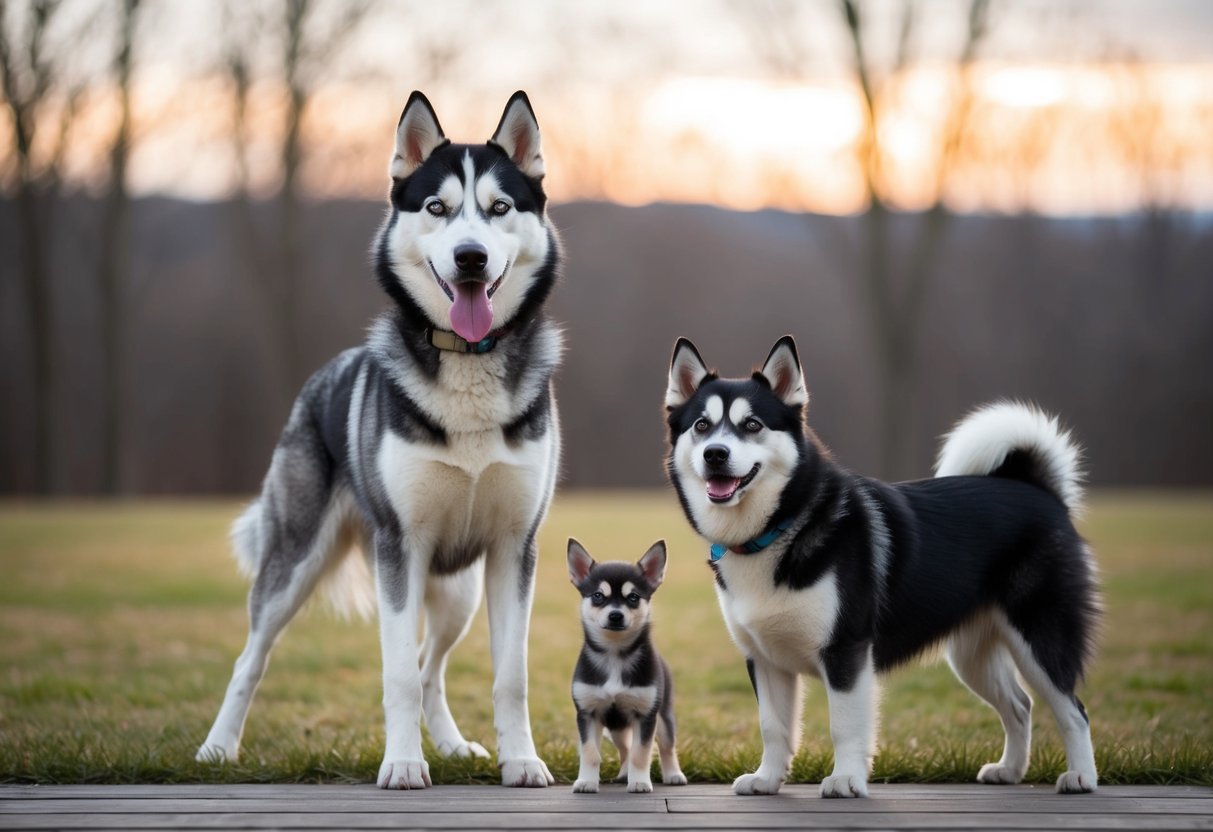
Huskies are often seen as medium to large-sized dogs. By comparing them with small, medium, large, and XL breeds, you can get a better idea of where they fit in the dog size spectrum.
Huskies Versus Small and Medium-sized Breeds
Small and medium-sized breeds usually weigh between 5 to 50 pounds. Dogs like the Chihuahua and Pug fall into the small category. A Chihuahua weighs around 3 to 6 pounds, making it very different from a Husky.
Medium-sized dogs such as Beagles and Border Collies weigh between 30 to 50 pounds. For instance, a Beagle weighs about 20 to 30 pounds. In comparison, Huskies weigh between 45 to 60 pounds, which places them in a different category altogether.
Huskies have strength and size that smaller breeds lack, making them better for various activities like running or pulling sleds. Their larger build also gives them a different presence when interacting with families and other pets.
Huskies Among Large to XL Breeds
When looking at large and XL breeds, Huskies sit comfortably in the large category. Breeds like the Labrador Retriever and German Shepherd typically weigh around 50 to 90 pounds. Meanwhile, XL breeds such as Mastiffs can weigh over 100 pounds, which makes them much heavier than Huskies.
While Huskies are lighter, they share similar characteristics with large breeds. For example, the Samoyed and Boxer are also large canines known for their friendly personalities and intelligence. The Siberian Husky stands about 24 to 26 inches tall, making it taller than some large breeds but still smaller than XL breeds like the Mastiff.
In essence, while Huskies may not be the largest dogs, they certainly fit well into the large dog category with plenty of activity and engagement to offer.
The Lifestyle and Care Requirements for Husky Owners

Owning a Husky can be a rewarding experience. These dogs have unique needs that you’ll want to consider.
Socialization
Socialization is key for Huskies. Early interactions with people and other pets help them become well-rounded companions. Take your Husky to parks and training classes.
Exercise Needs
Huskies are active dogs. They need at least 30-60 minutes of vigorous exercise daily. Activities like running, hiking, or playing fetch are great for keeping them fit.
Shedding
Expect shedding, especially during seasonal changes. Regular brushing helps manage the fur. A good brush twice a week can keep your home fur-free.
Care Requirements
Huskies require a balanced diet and fresh water daily. Routine vet visits are essential for vaccinations and health checks. Pay attention to your Husky’s weight to keep them healthy.
Family Pets
These dogs are friendly and enjoy being part of the family. They love interacting with kids and other pets. Huskies thrive in active households.
Characteristics of Huskies
Huskies are known for their wolf-like appearance and striking blue eyes. They are intelligent and sometimes independent, which means training may take extra time.
Working Dogs
Historically, the Chukchi people used Huskies as sled dogs. Huskies have strong instincts and love to pull. Activities that tap into this instinct can keep them happy and engaged.


