
If you’re considering a chinchilla as a pet, you’re not alone. These charming creatures have been gaining popularity in recent years. Many people find them to be delightful companions due to their playful nature and unique personalities.
A chinchilla can be a good house pet for those looking for a clean, low-maintenance animal that is also entertaining.
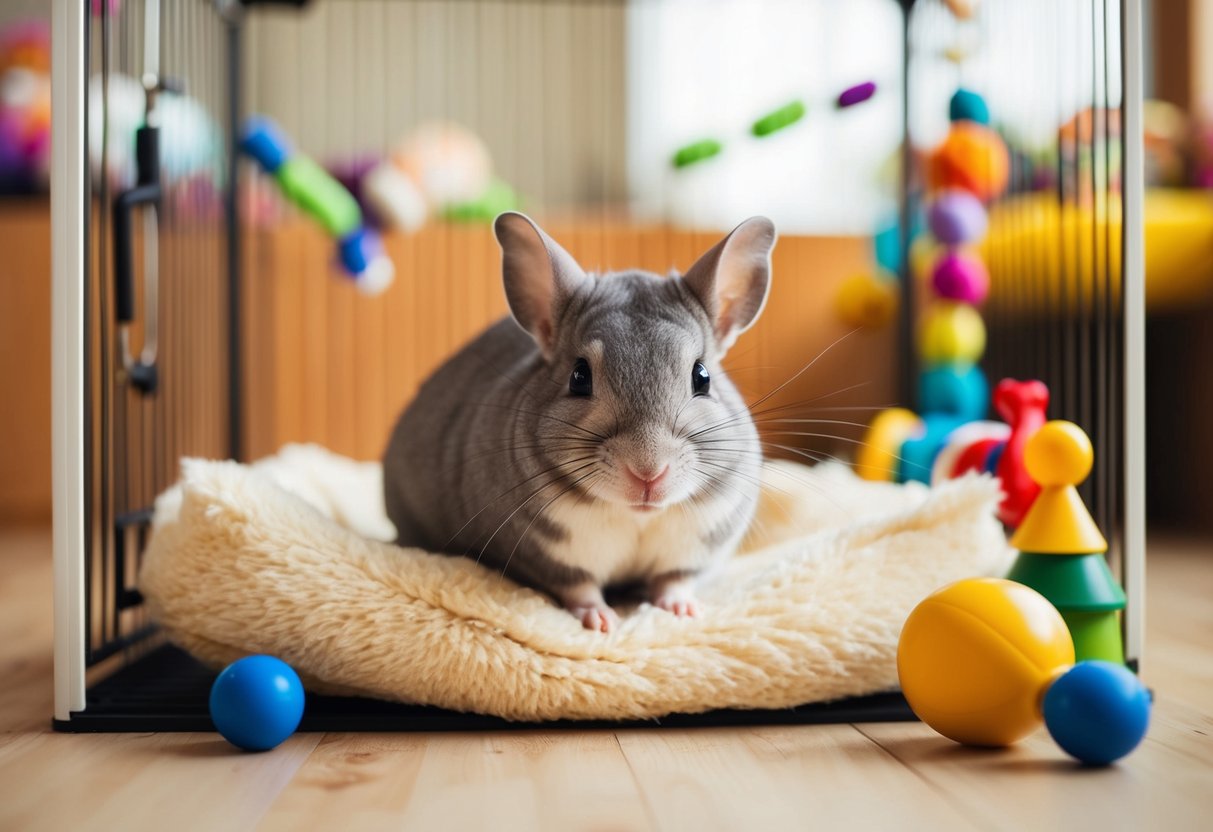
Chinchillas are known for their soft fur and energetic behavior, making them fun to watch and interact with. They typically require less attention than some traditional pets, making them suitable for families or individuals with busy lives. However, it’s important to provide them with the right environment and care to thrive in your home.
As you explore the idea of welcoming a chinchilla into your life, keep in mind their needs and characteristics. With the right setup and a bit of love, these furry friends could become a cherished part of your household.
Understanding Chinchillas as Pets

Chinchillas can be fascinating pets, known for their soft fur and unique personalities. They have specific needs and characteristics that are important for you to understand if you’re considering bringing one into your home.
Origins and Characteristics
Chinchillas originated in the Andes mountains of South America. They were once wild animals but have become popular as exotic pets in recent years. Their fur is the softest in the animal kingdom, which is one reason many people find them appealing.
These little creatures have a friendly demeanor and are generally quiet. They are social animals that enjoy interaction, either with their owners or other chinchillas. Their small size and adorable looks make them suitable for home environments, but they do need ample space to explore and play.
Social and Behavioral Aspects
When it comes to behavior, chinchillas display a unique personality. They can be playful, curious, and occasionally shy. It is important to handle them gently, as they have sensitive bones that can easily break if mishandled.
Chinchillas thrive on social interaction. If you plan to keep one, consider getting a pair to prevent loneliness. They can bond closely with their owners but may take time to build trust. Providing toys and regular playtime helps satisfy their need for mental stimulation.
Health and Lifespan
Chinchillas generally have a long lifespan, often living between 10 to 20 years with proper care. Their health needs include a specialized diet high in hay and limited pellets. Monitoring their dental health is vital since their teeth grow continuously.
These pets tend to be hardy but can be sensitive to heat and humidity. Proper housing and climate control are crucial for their well-being. Regular vet check-ups will help keep your chinchilla healthy, ensuring you enjoy their company for many years.
Chinchilla Care Essentials
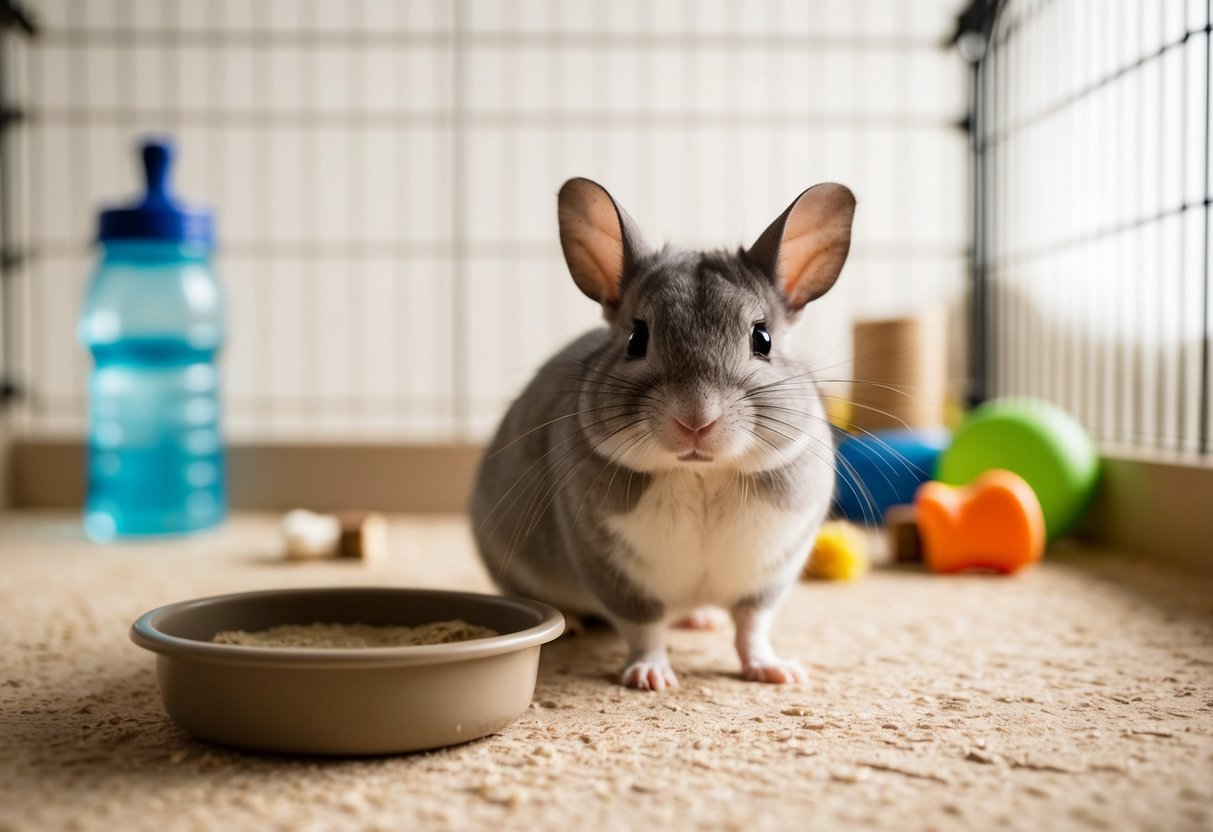
Caring for a chinchilla requires attention to their housing, diet, and health. Understanding these essentials will help you provide a happy and healthy environment for your pet.
Housing Your Chinchilla
Choosing the right cage is crucial for your chinchilla. Look for a spacious cage to allow them to jump and explore. The ideal size is at least 24″ x 24″ x 36″.
Make sure the bars are spaced about 1 inch apart to prevent escapes. Chinchillas love climbing, so include shelves and ramps.
Place the cage in a cool, quiet area, away from direct sunlight, to prevent heatstroke. Keep the cage clean by spot-cleaning daily and doing a thorough cleaning weekly.
Diet and Nutrition
Chinchillas have specific dietary needs. Their diet should consist primarily of high-quality grass hay, which aids digestion and keeps their sensitive digestive systems healthy.
Offer a limited amount of pellets specially formulated for chinchillas. Avoid fresh fruits and vegetables, as they can upset their stomach.
Always provide fresh water. Keep an eye on their dental health by offering chew toys, like untreated wood, which helps wear down their ever-growing teeth.
Health Monitoring
Regular health monitoring is important for your chinchilla. Check for changes in appetite, droppings, and behavior, as these can indicate health issues.
Look out for signs of dental problems, such as difficulty eating or excessive drooling.
Chinchillas are generally low maintenance, but they can develop heatstroke if exposed to high temperatures. Aim to keep their environment between 60°F and 70°F.
Schedule regular vet check-ups to ensure your chinchilla stays in the best health possible.
Advantages of Having a Chinchilla

Chinchillas offer several appealing traits that make them great house pets. They are easy to care for, very clean, and can provide long-term companionship.
Low Maintenance and Cleanliness
Chinchillas are known as low-maintenance pets. They require minimal grooming since their dense fur self-cleans effectively. This means you spend less time worrying about baths. Instead, you can offer them occasional dust baths with chinchilla-specific dust to keep their fur in top shape.
Their minimal shedding is another plus. This quality makes them suitable for allergy sufferers, as they produce fewer allergens compared to many other pets. With a dedicated cage, they usually keep their environment tidy, and you simply need to clean it regularly to maintain cleanliness.
Chinchillas are also generally quiet pets, so they won’t disturb your peace. Their calm nature allows them to fit well into various living situations, whether it’s a busy family home or a quiet apartment.
Long-Term Companionship
When cared for properly, chinchillas can live up to 15-20 years. This longevity makes them a fantastic option if you’re looking for a pet that will be around for a long time. They bond well with their owners and are known as social animals.
Spending time with your chinchilla can be rewarding. They enjoy gentle handling and can even learn to trust you over time. This relationship can bring joy and companionship to your life.
With their unique personalities, you’ll find they can bring both fun and comfort to your home.
Other Considerations
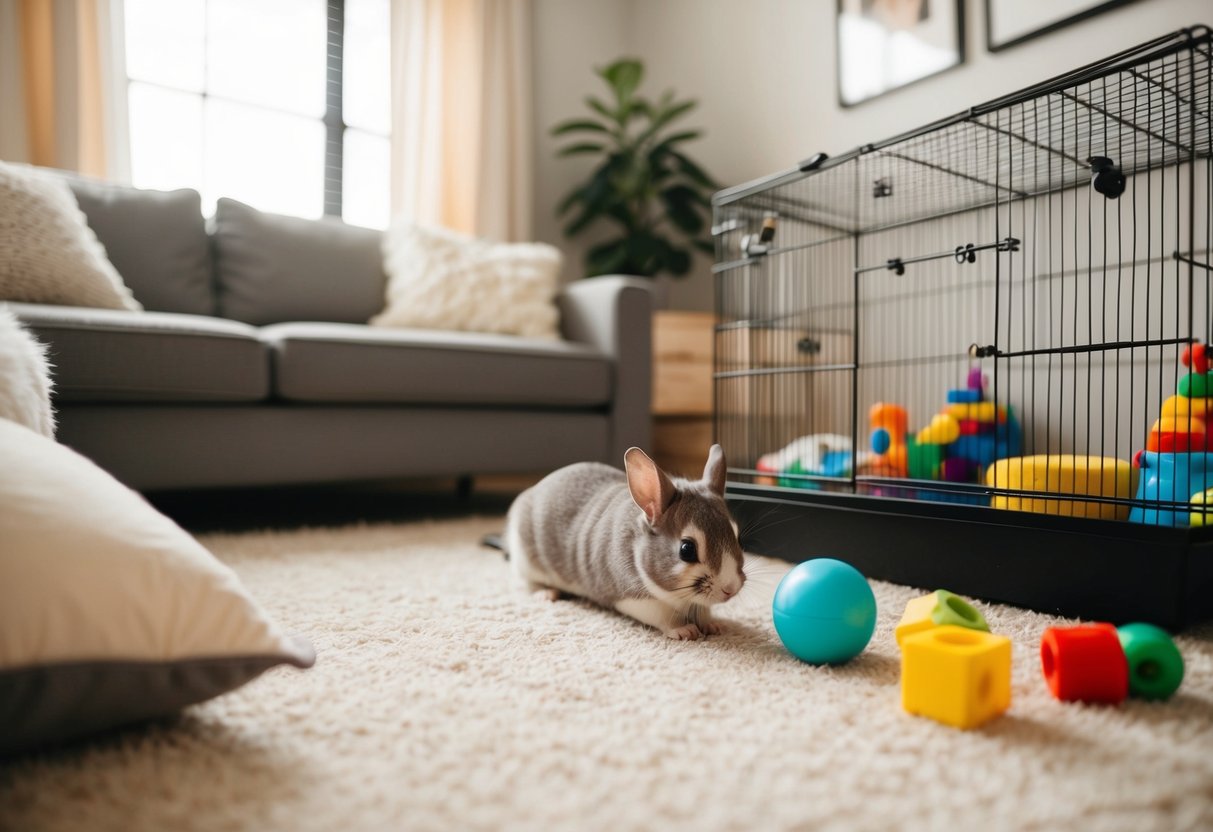
When deciding if a chinchilla is the right pet for you, there are several important factors to think about. These include how you choose to add a chinchilla to your home, keeping them engaged and happy, and considerations for having more than one chinchilla.
Adoption vs. Purchase
One choice you will face is whether to adopt a chinchilla or purchase one from a breeder. Adopting can be a great way to give a chinchilla a second chance at a loving home. Many rescues often have chinchillas in need, and adopting can save a life.
If you choose to buy, make sure to go with a reputable breeder. They should provide information about the chinchilla’s health and specific dietary needs. Chinchillas are prone to having sensitive stomachs, so knowing their dietary background is crucial for their well-being.
Chinchilla Enrichment
Chinchillas are social animals that require mental and physical stimulation. Providing toys and activities can keep your chinchilla happy. Look for chew toys made from safe, natural materials. This not only keeps them busy but helps maintain their dental health too.
You might also consider creating a play area outside of their cage for safe exploration. Use tunnels, ramps, and hiding spots to make their space exciting. Regular interaction and playtime will enhance your bond and satisfy their curiosity.
Multiple Chinchillas in the Household
If you’re considering having more than one chinchilla, keep their social nature in mind. Chinchillas thrive in pairs or small groups, as they enjoy companionship. Make sure to introduce them properly to avoid territorial behavior.
When housing multiple chinchillas, you’ll need an appropriately sized cage equipped with enough room for everyone. Look for toys and resources that can accommodate all of them. Also, ensure that each chinchilla has its own space to retreat to when needed.
Taking care of multiple chinchillas can be rewarding, but it also adds to your responsibility. Be ready for the extra care and attention that each chinchilla requires.


