
If you have a 1-year-old dog, you might wonder if it’s too late to start training. Rest assured, a 1-year-old dog is still very much trainable. At this age, dogs are past their puppy phase but are still eager to learn and adapt to new commands and behaviors.

Training a dog at this stage can be both rewarding and enjoyable for you and your furry friend. This is a great time to focus on obedience and good habits through positive reinforcement techniques. Whether it’s teaching new tricks or addressing some bad habits, you can create a solid training plan that sets your dog up for success.
By starting to train your 1-year-old dog now, you’ll strengthen your bond and help them become a well-mannered companion. The journey can be fun, and with patience and consistency, you’ll see great results!
Understanding Your 1-Year-Old Dog’s Behavior
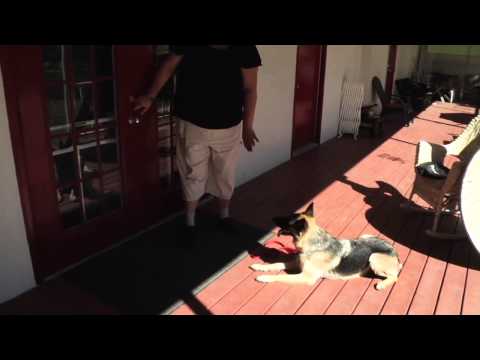
At one year old, your dog is entering an important phase of development. Their behavior is influenced by various factors, including key milestones, social interactions, and their emotional health. Recognizing these aspects can help you train and bond with your furry friend.
Key Behavioral Milestones
By the time your dog reaches one year, they have likely settled into some consistent behaviors. They may show independence but also still need guidance.
Expect them to:
- Explore Cheerfully: Your dog might want to investigate their environment more than before.
- Test Boundaries: This is a normal part of growing up, as they learn what behavior is acceptable.
- Hyperactivity: Many one-year-old dogs exhibit bursts of energy, making it essential to provide enough exercise.
Training techniques you use should be clear and focused. Reinforce good behaviors, and be patient. Regular practice will enhance their understanding of what you want.
Socialization and Its Influence
Socialization plays a key role in developing your dog’s behavior. By age one, they should have experienced various people, dogs, and environments.
Focus on:
- Positive Experiences: Introduce your dog to new experiences gradually to avoid overwhelming them.
- Controlled Interactions: Use positive reinforcement during interactions with other dogs to build trust and confidence.
- Routine: Regular outings help reduce fear and promote good behavior in new situations.
By giving your dog diverse social experiences, you help shape a well-adjusted adult dog.
Preventing Separation Anxiety
Separation anxiety can develop if your dog becomes too attached to you. As they reach one year, it’s important to ensure they are comfortable being alone.
To prevent this:
- Gradual Alone Time: Start leaving your dog alone for short periods and gradually increase the time.
- Create a Safe Space: Designate a cozy area with their bed and toys where your dog can feel secure when alone.
- Leave Distractions: Provide safe chew toys or food puzzles to keep them occupied while you’re away.
Taking these steps reduces the chances of separation anxiety and helps your dog feel more secure.
Essential Training Techniques

Training a one-year-old dog is a rewarding experience. You can help your dog excel by using effective training techniques. Focus on positive reinforcement, maintaining consistency, and showing patience throughout the process.
Employ Positive Reinforcement
Positive reinforcement is crucial when training your dog. This technique involves rewarding your dog for good behavior, which encourages them to repeat those actions. Treats, praise, and toys can be great rewards.
For example, when your dog successfully sits on command, immediately give them a treat and lots of affection. This reinforces the behavior and makes your dog eager to please you.
Using positive reinforcement helps build a bond between you and your dog. It creates a more enjoyable training experience for both of you. Remember, harsh methods can lead to fear or confusion, so always focus on encouraging good behavior.
The Role of Consistency
Consistency is key in dog training. You should set clear rules and stick to them. If you allow certain behaviors one day but not the next, your dog may become confused.
Use the same commands for specific actions. For example, always use “sit” instead of switching between “sit” and “down.” This helps your dog understand what you expect.
Make sure everyone in your household follows the same training rules. If your dog hears different commands or receives mixed signals, it will slow down their learning process. Consistency builds trust and clarity, making training smoother and more effective.
Patience and Persistence Matters
Training a one-year-old dog requires patience and persistence. Every dog learns at their own pace, so don’t rush the process.
Set realistic goals for each training session. For some dogs, learning a new command may take longer than for others. Celebrate small successes to keep up motivation.
When your dog struggles, stay calm and keep trying. If they seem frustrated, take a break and come back later. Patience fosters a positive environment where your dog feels safe to learn.
Remember, training is a journey. Your patience will pay off as your dog grows into a well-behaved companion.
Developing Basic Obedience Skills

Training your one-year-old dog in basic obedience skills is essential for a well-behaved pet. This includes mastering commands, crate and potty training, and improving leash skills. Each of these elements helps build a foundation for more advanced training later.
Mastering Basic Obedience Commands
Start with essential commands like “sit,” “stay,” “come,” and “down.” Use positive reinforcement techniques such as treats and praise. For example, when your dog sits on command, reward them immediately.
Keep training sessions short, around 5-10 minutes, to maintain your dog’s attention. Repeat these commands daily to reinforce learning. Consistency is key; always use the same words and gestures for each command. This helps your dog understand what you expect.
Remember, patience is crucial. If your dog struggles, take a break and try again later. With time and practice, your dog will respond consistently to basic obedience commands.
Effective Crate and Potty Training
Crate training is a valuable tool for your dog’s safety and your peace of mind. Choose a crate that’s just big enough for your dog to stand, turn around, and lie down comfortably.
Introduce the crate gradually. Encourage your dog to enter with treats and praise. Use the crate for short periods at first. Gradually increase the time as your dog gets comfortable.
For potty training, establish a routine. Take your dog outside regularly, especially after meals and naps. Use a specific spot for potty breaks. When they go in the right place, reward them with praise.
Be patient during this process, as accidents will happen. Stay consistent with your routine, and your dog will learn where to go.
Improving Leash Skills and Recall
Teaching your dog leash skills and recall will make walks enjoyable and safe. Start leash training indoors where there are fewer distractions. Use a lightweight leash and let your dog get used to it.
When you go outside, keep the leash short but relaxed. If your dog pulls, stop walking. Wait for them to return to your side before continuing. This teaches them to walk beside you calmly.
For recall training, call your dog’s name in an excited tone. When they come to you, give them a treat and praise. Practice in a safe, enclosed area first, then gradually introduce more distractions.
These skills are essential for a happy, well-trained dog.
When to Seek Help from a Professional Dog Trainer

Recognizing when your dog needs professional guidance can make a big difference in their training progress. Seeking help is a positive step that can enhance your relationship with your pet, especially if you feel stuck. Let’s explore how to identify the need for professional help and the benefits of enrolling in a training program.
Identifying the Need for Professional Help
You might notice signs that your 1-year-old dog is struggling with training or behavior. If your dog frequently ignores commands or displays behavioral issues like excessive barking or digging, it may be time to seek a professional.
Consider your dog’s socialization skills too. If your pup has trouble interacting with other dogs or people, professional training can help. Often, basic training methods can be difficult for adult dogs that have developed habits. If you find that exercise and at-home training aren’t improving behavior, a professional dog trainer can provide new strategies.
Benefits of Professional Training Programs
Professional dog trainers bring expertise that can be incredibly helpful. They use effective training techniques tailored for your dog’s age and personality. This is especially beneficial for a 1-year-old dog who has energy and curiosity.
Joining a training program often includes the chance for your dog to socialize with others. This interaction is crucial for building confidence. Trainers can also teach you how to better communicate with your dog. This strengthens your bond while ensuring they receive consistent guidance.
Enrolling in a program can also provide you with practical tools to manage your dog’s energy, making daily life easier. It’s an investment in a well-behaved pet and a happier home.


