
Teaching your dog to walk on a leash without pulling can make walks enjoyable for both of you. Start by using positive reinforcement techniques to reward your dog for staying by your side and walking calmly. This approach helps build a strong connection and encourages good behavior during walks.
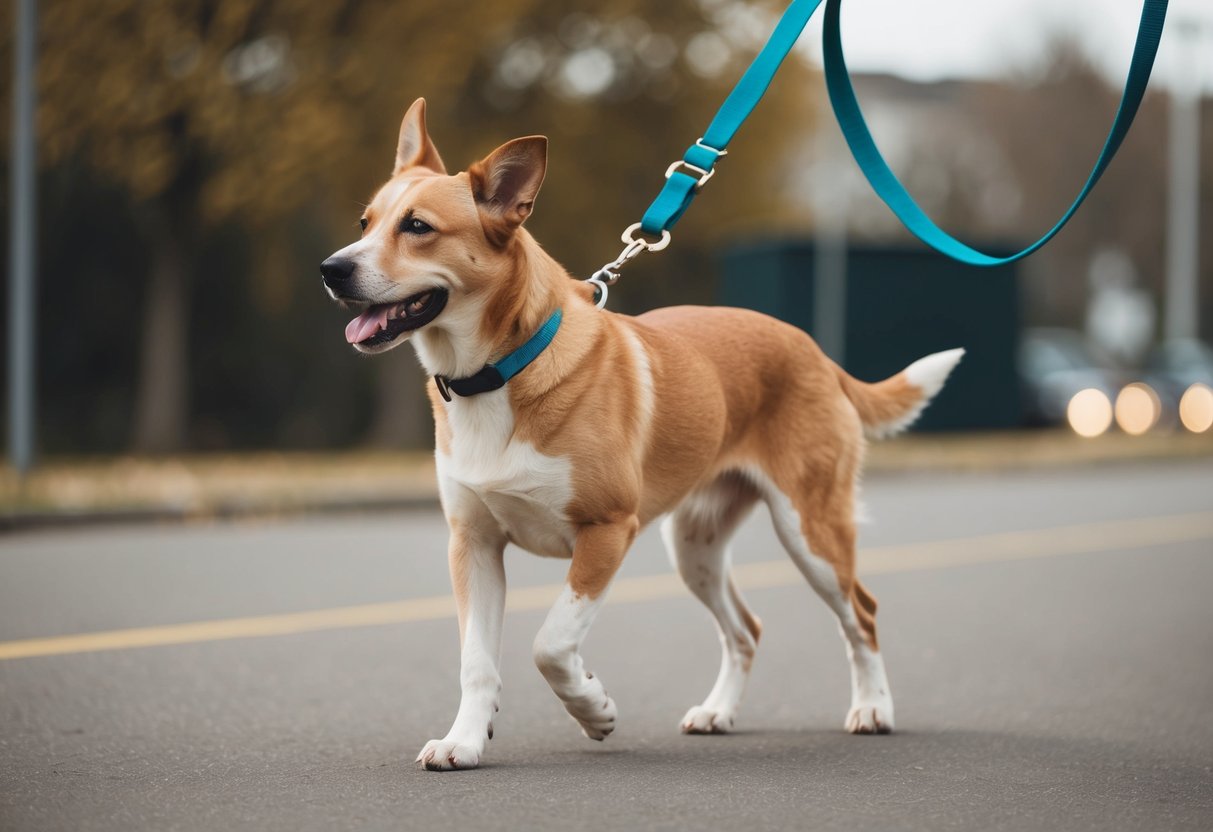
It’s important to stay patient and consistent throughout the training process. If your dog starts to pull, use a simple command to stop and regain their focus. This teaches them that pulling will not get them where they want to go. With practice and the right techniques, you’ll soon enjoy peaceful strolls together.
Remember, every dog learns at their own pace. Celebrate small victories, and stay committed to the process. Training your dog to walk politely on a leash can enhance your outings and strengthen your bond.
Understanding the Basics of Leash Training
Leash training is essential for creating a positive walking experience with your canine companion. This section will highlight the importance of teaching good leash manners and how to choose the right equipment for effective training.
The Importance of Leash Manners
Teaching your dog proper leash manners is crucial for peaceful walks. When your dog learns not to pull, it helps keep both of you safe. A pulling dog can lead you into dangerous situations, whether that’s crossing a street unexpectedly or pulling toward a distraction.
To start, use treats to reward your dog for staying close. This encourages them to walk beside you rather than ahead. Remember, practicing in a quiet area can help your dog focus better.
It’s important to remain patient during training. Over time, your dog will learn that a loose leash means they can move freely, which can make walks more enjoyable for both of you. Incorporating short sessions of training can reinforce these good habits without overwhelming your dog.
Choosing the Right Equipment
Selecting the right equipment can make leash training easier. A standard leash is a good starting point, but you may find other tools helpful. For dogs that tend to pull, consider using a head collar or head halter. These can provide better control over your dog’s movements.
A freedom harness is another great option. This type of harness discourages pulling while allowing your dog some freedom to move. It’s designed to distribute pressure evenly, making it comfortable for your dog.
When picking equipment, ensure it fits properly. This will help avoid discomfort and injury. Investing in good gear not only aids training but also contributes to more enjoyable walks together.
Establishing a Solid Foundation
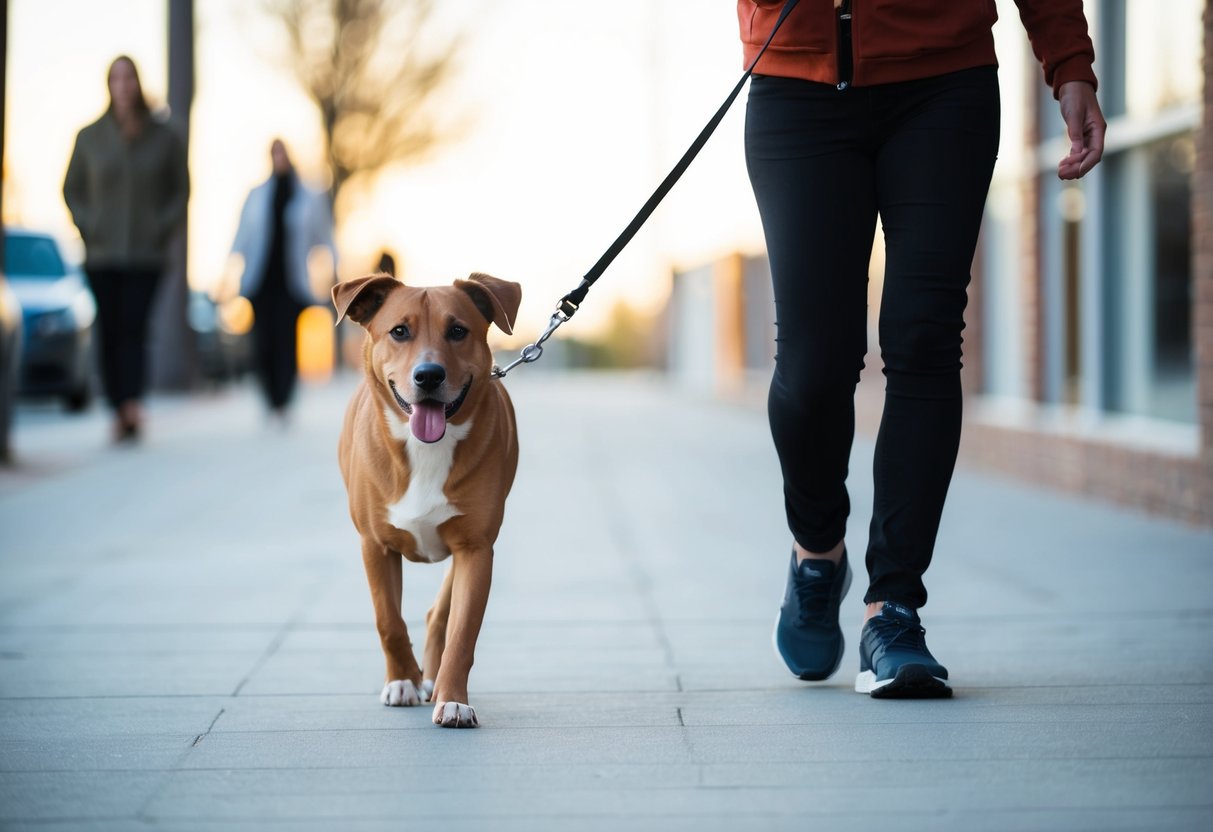
Creating a strong base in leash training is essential for your dog. It involves teaching basic commands, setting up a distraction-free area for practice, and using positive reinforcement to encourage good behavior.
Starting with Basic Obedience Training
Before leash training, your dog should learn basic obedience commands. Focus on commands like “sit,” “stay,” and “come.” These commands help your dog understand what is expected during walks. Training sessions should be short, lasting about 5 to 10 minutes, to keep your dog engaged.
Consistency is key. Use the same words and gestures for commands. This clear communication will help your dog learn faster. Make sure to practice these commands in various locations to strengthen their skills.
Creating a Distraction-Free Learning Environment
Choosing a calm place for training is crucial. Begin in a quiet area with minimal distractions. A backyard or empty park can work well. This setting allows your dog to focus on you rather than other sights or sounds.
Once your dog is comfortable, gradually introduce light distractions, like other dogs or people at a distance. This approach helps your dog learn to ignore distractions while walking on a leash. Always be patient and sensitive to your dog’s comfort level.
Using Positive Reinforcement
Positive reinforcement is an effective method for training your dog. Reward your dog with treats or praise when they walk calmly beside you. This technique encourages good behavior and helps your dog associate walking on a leash with positive outcomes.
Keep treats small and soft for quick rewards. You can also use verbal praise or a clicker to signal good behavior. Make sure to reward your dog immediately after they do something right, so they connect the action with the praise. Using this method helps your dog stay motivated and engaged throughout the training process.
Mastering the Art of Loose-Leash Walking
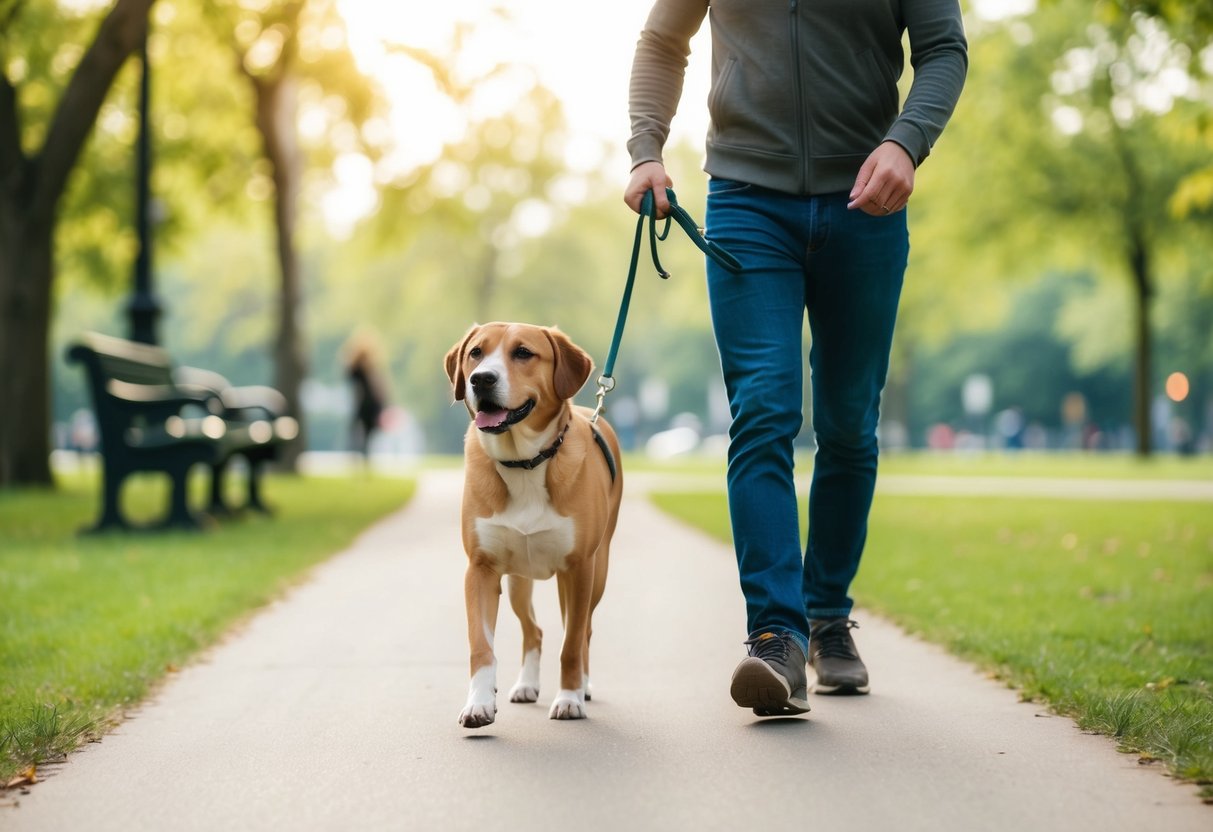
Loose-leash walking is essential for enjoyable walks with your dog. It helps keep both of you safe and happy. By focusing on a few key training techniques, you can teach your dog to walk calmly by your side.
Teaching the ‘Heel’ Command
Start by teaching your dog the ‘heel’ command. This command helps your dog understand that they should walk closely beside you. Hold a treat near your leg to encourage your dog to stay in the correct position.
Use clear commands and praise when your dog walks well. Practice this regularly in a quiet space without distractions. Gradually increase challenges by adding more distance or distractions. Consistent practice will help your dog learn the heel position and make walks more enjoyable.
Practicing Consistent Training
Consistency is key when training your dog for loose-leash walking. Set aside time each day for training sessions. Keep these sessions short, around 5-10 minutes, to maintain your dog’s focus.
Always use the same commands and hand signals. Dogs thrive on routine, so try to work in the same location and at the same time each day. Reward your dog with treats or praise when they walk beside you without pulling. This will reinforce their good behavior.
Introducing Leash Walking Games
Make training fun by introducing games that promote loose-leash walking. One great game is “Stop and Go.” Start walking with your dog and stop every few steps. If your dog doesn’t pull, offer praise or a treat.
Another game involves scattering treats on the ground and encouraging your dog to sniff them while staying near you. This reinforces their attention on you rather than the leash. Using these training games keeps your dog engaged. It turns training into a positive experience for you both, making your walks more enjoyable.
Prevention and Resolution of Leash Pulling
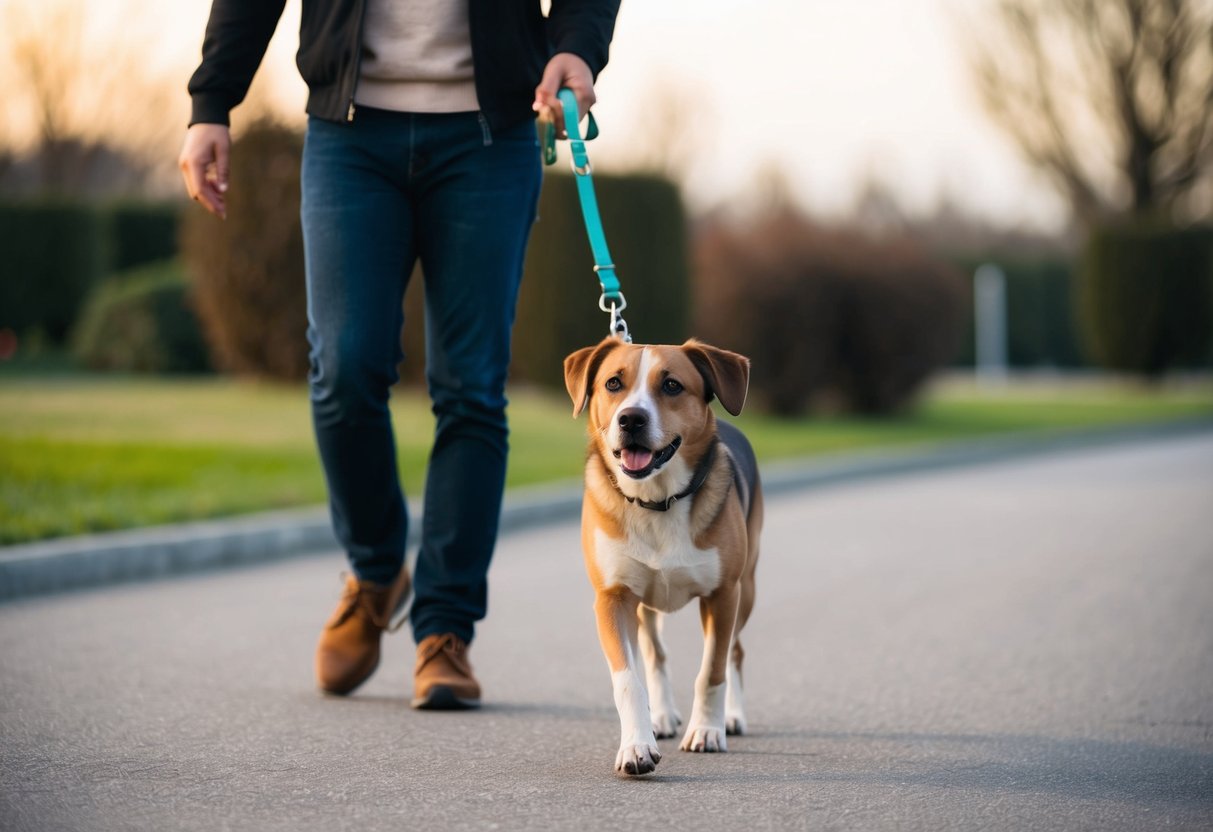
Leash pulling can turn a simple walk into a frustrating experience. Understanding the reasons why your dog pulls and learning effective strategies to discourage this behavior will help you enjoy stress-free walks.
Understanding Why Dogs Pull
Dogs pull on the leash for various reasons. They may be excited about the world around them, eager to explore new scents, or simply trying to get to a specific destination.
Some dogs pull due to pent-up energy. Regular exercise can help reduce this behavior. Additionally, fear or anxiety in certain situations can also trigger pulling. Observing your dog’s body language can provide clues about their feelings. Understanding these triggers is the first step in managing leash pulling.
How to Discourage Pulling Behaviors
There are several techniques to help discourage pulling. Use a no-pull harness that discourages your dog from pulling without causing discomfort. When walking, stop moving when they pull. Wait until the leash is slack before continuing. This teaches them that pulling won’t get them where they want to go.
Practice positive reinforcement as well. Reward your dog with treats or praise when they walk nicely beside you. Keep walks short and enjoyable to avoid overwhelming your dog. Gradually increase the distance as they improve.
When to Seek Help from a Professional
If you find that your dog continues to pull despite your efforts, it may be time to seek help from a professional dog trainer. A trainer can observe your dog’s behavior and provide tailored advice. They can also suggest techniques specifically suited to your dog’s personality and energy levels.
Group training classes can be beneficial too. These classes create a social environment that helps dogs learn leash manners alongside other dogs. Professional guidance can ensure that your training is effective and helps you achieve the desired outcome: enjoyable walks with your pet.


