
Chinchillas are charming little pets that can bring a lot of joy to your life, but they are also social animals that thrive on companionship. As a pet owner, it’s important to recognize their emotional well-being.
If your chinchilla seems more withdrawn or less playful than usual, it may be feeling lonely.
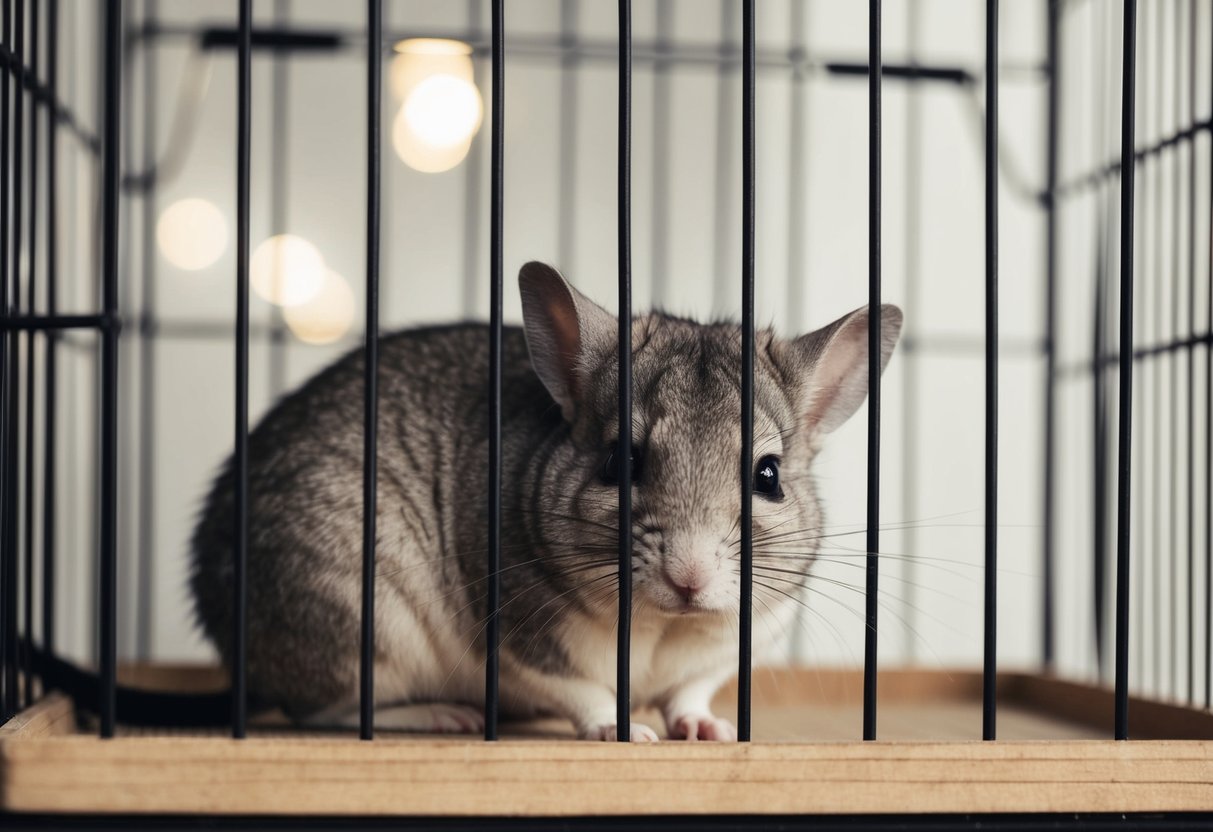
Understanding the signs of loneliness in your chinchilla can help you provide the support it needs. Regular interaction and time spent together are vital for their happiness.
Paying attention to their behavior, such as vocalizations or changes in activity levels, can give you clues about how they are feeling.
In this article, you’ll discover practical ways to tell if your chinchilla is lonely and find tips on how to keep them happy and engaged. By nurturing your pet’s social needs, you can ensure they lead a fulfilling life.
Recognizing Signs of Loneliness in Chinchillas
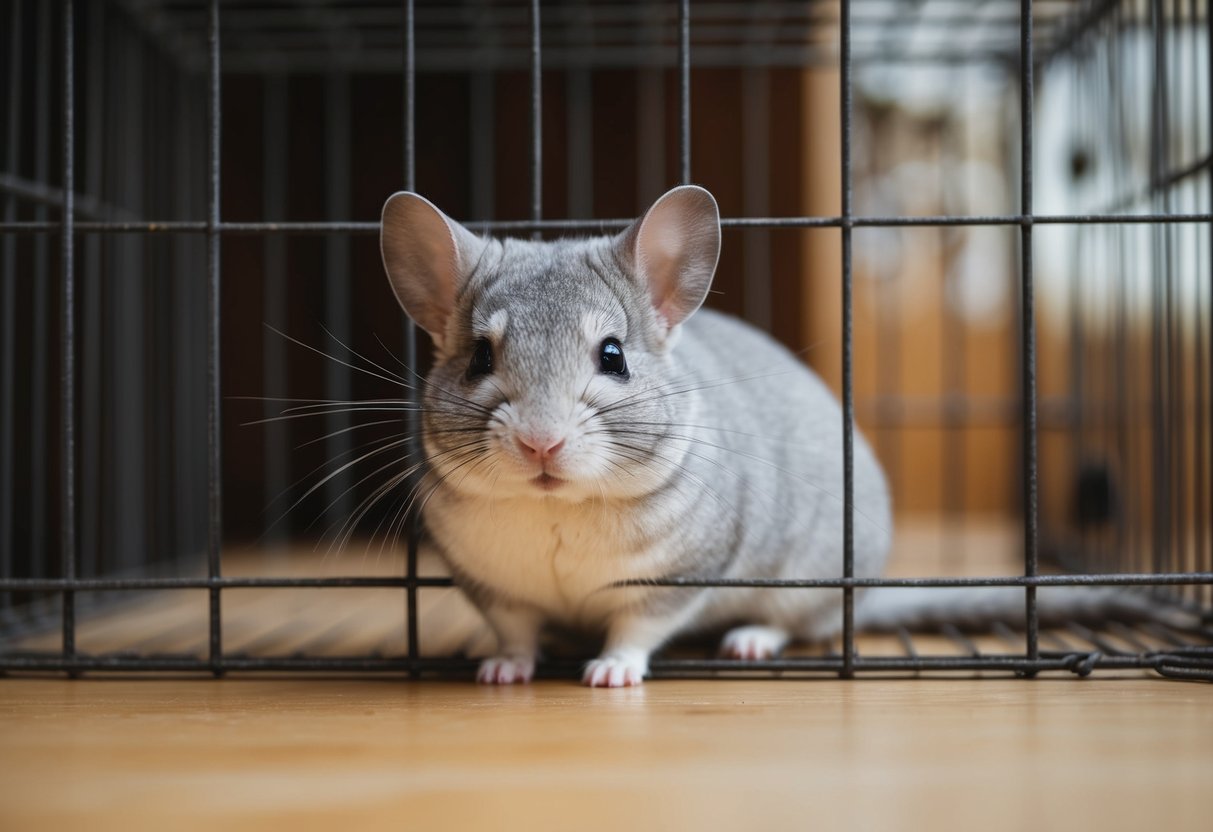
Knowing how to recognize signs of loneliness in your chinchilla is important for their well-being. These signs can be seen in their behavior, health, and body language. Paying attention to these cues will help you provide the best care for your pet.
Changes in Behavior
When chinchillas feel lonely, they often show changes in their usual behavior. You might notice your chinchilla becomes more withdrawn. Instead of being curious and playful, they may hide more and interact less.
Look for a lack of energy or interest in activities they usually enjoy. This includes not jumping around or playing with toys.
In some cases, loneliness can lead to negative behaviors like barking or even biting when you try to interact.
Physical Health Indicators
Loneliness can manifest through physical issues as well. If your chinchilla is experiencing stress from being alone, you may observe weight loss. A change in diet is another sign; they might eat less or become picky about their food.
You should also watch for signs of grooming neglect. A chinchilla who is feeling lonely may stop grooming themselves properly. This can lead to poor coat health and other health issues.
If you notice these changes, it may be time to address their social needs.
Understanding Chinchilla Body Language
Chinchillas communicate a lot through body language. When yours is feeling lonely, you might see their ears droop or their posture become less energetic. They can also become overly skittish, jumping at small noises.
A common sign of distress is excessive sleeping or hiding in their cage. On the flip side, an overly excited chinchilla may jump around erratically when they do see you.
Each of these behaviors provides clues into how your chinchilla feels and can help you understand if they need more companionship.
Creating a Stimulating Environment
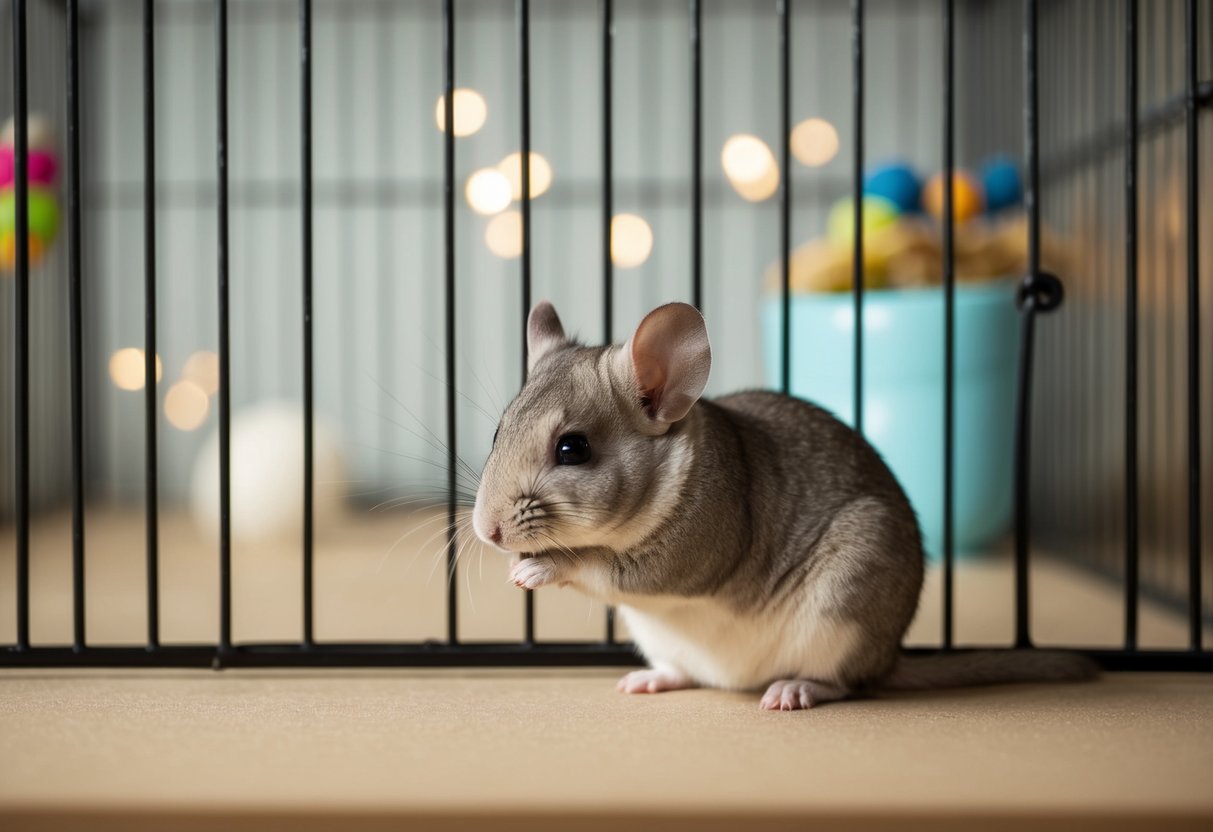
A stimulating environment is key to keeping your chinchilla happy and healthy. By focusing on various enrichment activities, maintaining a well-adjusted diet, and designing a comforting habitat, you can help prevent loneliness and boredom. Here’s how to create the best environment for your furry friend.
Enrichment Activities
Chinchillas thrive on engagement and playtime. Providing a variety of enrichment activities can keep them mentally and physically active.
Ideas for enrichment include:
- Toys: Wooden chew toys help satisfy their natural chewing instincts and improve dental health.
- Climbing structures: Install shelves and ramps to encourage exercise and exploration.
- Interactive play: Spend time engaging with your chinchilla using toys or gentle handling. Aim for at least 2-3 hours of interaction each day.
These activities not only keep your chinchilla entertained but also strengthen your bond and reduce the chance of behavioral issues related to loneliness.
Importance of a Well-Adjusted Diet
A proper diet is essential for your chinchilla’s overall health and mood. Ensure your chinchilla receives a mix of high-quality hay, pellets, and fresh water.
Key dietary components include:
- Hay: It should make up the majority of their diet. It aids digestion and helps prevent weight loss.
- Pellets: Opt for specially formulated chinchilla pellets. They provide essential nutrients.
- Limited treats: Occasionally, you can offer dried fruits or veggies, but these should be given in moderation to prevent health issues.
A balanced diet not only supports physical health but also helps in maintaining good energy levels and mood.
Designing a Comforting Habitat
Your chinchilla’s living space should be a safe and cozy area where they feel secure. A well-designed habitat promotes comfort and reduces stress.
Consider the following:
- Cage size: Ensure the cage is spacious, at least 3 feet tall and 3 feet wide. More room allows for exercise and exploration.
- Bedding: Use soft, dust-free bedding to avoid respiratory issues.
- Hideouts: Provide tunnels and houses for your chinchilla to retreat to when they need a break.
A comforting habitat meets both their physical and psychological needs, helping to prevent negative effects associated with loneliness.
Introducing a Companion for Your Chinchilla

Adding a second chinchilla can greatly enhance the quality of life for your pet. Understanding their social needs and the best way to introduce a new companion is essential for a successful pairing.
Assessing the Need for a Second Chinchilla
First, consider if your chinchilla shows signs of loneliness. If they are often inactive, lethargic, or seem disinterested in their surroundings, it may be time to think about companionship.
Some chinchillas are perfectly happy alone, especially if you can spend quality time with them daily. However, if your schedule limits interaction, a second chinchilla can provide social needs that your pet might miss.
Before adopting a new chinchilla, evaluate their personality and habits. Some chinchillas may thrive with a companion while others do not, so understanding your pet’s behavior is critical.
The Introduction Process
When introducing a new chinchilla, patience is key. Start by placing their cages side by side for several days. This allows them to become familiar with each other’s scents without direct contact.
Next, create a spacious area where you can safely introduce them outside their cages. This space should be neutral to avoid territorial behavior.
Supervise their first interactions closely. Look out for signs of aggression or dominance, as chinchillas can establish pecking orders quickly. Slow introductions can reduce stress and help them adapt.
Considerations for Adoption
When you adopt a new chinchilla, think about compatibility. It’s often best to introduce two chinchillas of similar age and temperament. If you adopt a male, make sure the other chinchilla is neutered to prevent breeding.
Make sure to have separate cages during the introduction process. This allows each chinchilla to retreat to their safe space if needed. Gradually combine their living spaces once they seem comfortable together.
Always monitor their interactions to address any issues immediately. A smooth introduction can lead to a strong bond and happier pets.


