
Keeping your chinchilla happy is essential for its health and well-being. To make a chinchilla happy, you need to provide a spacious and safe environment, a balanced diet, and plenty of exercise. These small pets thrive when they feel secure and stimulated, so understanding their needs is key.
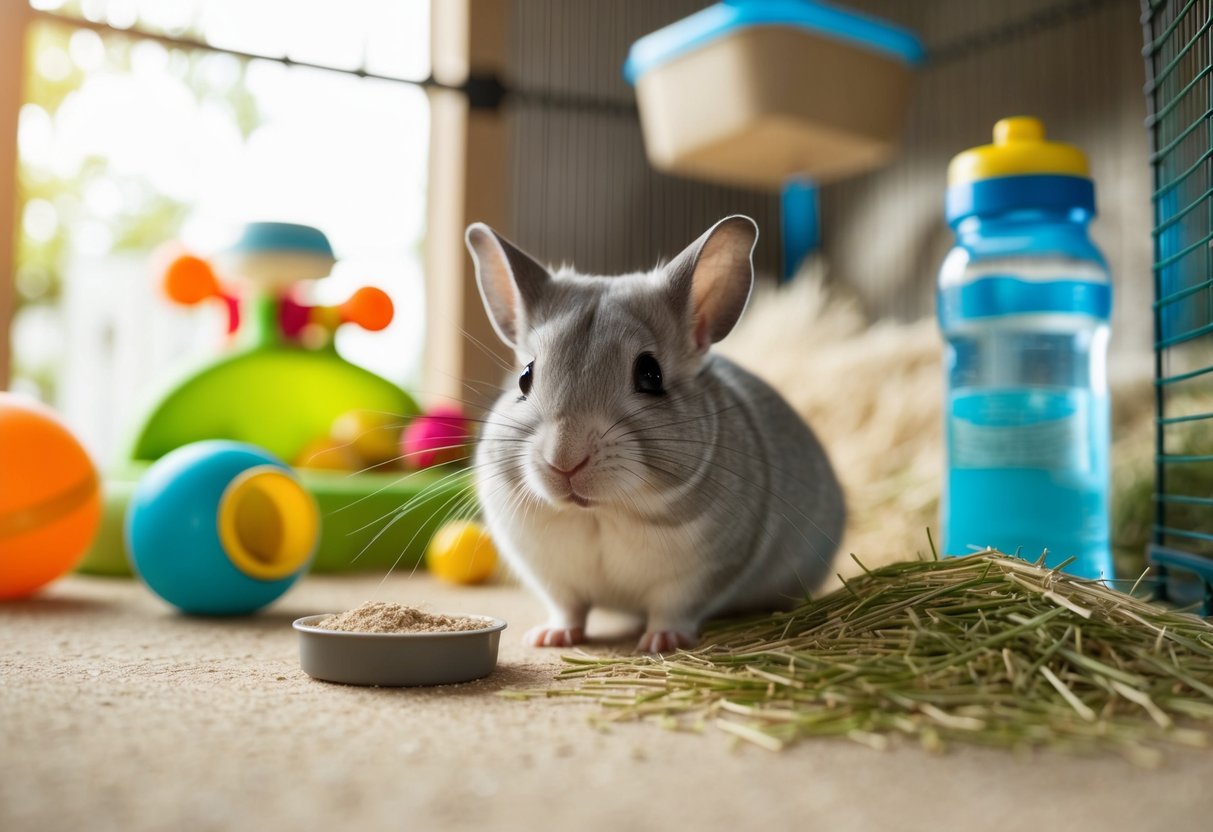
Chinchillas require a lot of attention and care to stay joyful. You should ensure they have the right cage size and suitable bedding, as well as proper temperature control. Regular playtime outside the cage is vital for their physical and mental health.
Offering high-quality hay and minimal treats will help meet their dietary needs. By focusing on these aspects, you can create a happy and loving home for your chinchilla.
Creating a Stimulating Living Space
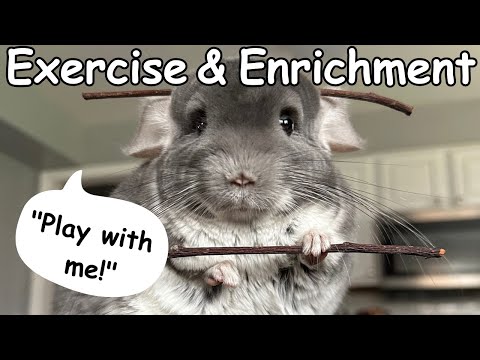
Creating a lively environment for your chinchilla will keep it happy and healthy. The right cage and essentials for a comfortable habitat make a big difference in your pet’s well-being.
Choosing the Right Cage
When selecting a chinchilla cage, size is key. Aim for a minimum of 3 feet tall, 3 feet wide, and 2 feet deep. A larger cage allows your chinchilla to jump and move around freely.
Multi-level cages are ideal since chinchillas love climbing. Look for cages with solid floors, as wire can hurt their feet. Ensure that the bars are no more than 1 inch apart to prevent escapes.
Consider the material—metal cages are strong and easy to clean. Avoid wooden cages, as they can be chewed. With the right cage, your chinchilla will have a cozy, safe space to explore.
Essentials for a Comfortable Habitat
Your chinchilla needs more than just a cage to thrive. Bedding is essential; use paper-based or aspen shavings, avoiding cedar or pine, which can harm their health.
Toys are a must! Provide chew toys, tunnels, and even an exercise wheel to keep them entertained. Rotate toys regularly to maintain their interest.
Don’t forget about a hiding place. Baskets or small wooden hideouts offer security. Ensure there is always fresh hay and clean water available.
Creating a stimulating space is vital for your chinchilla’s happiness and health. With these tips, you will have a happy little friend!
Diet and Nutrition for a Healthy Chinchilla

A proper diet is essential for keeping your chinchilla happy and healthy. Focusing on quality hay and fresh water should be your top priorities, along with offering safe treats. This will help ensure your pet thrives.
Providing Fresh Water and Quality Hay
Your chinchilla needs access to fresh water every day. Use a water bottle with a sipper tube to keep the water clean. Make sure to check it regularly to ensure your pet stays hydrated.
Hay should make up the majority of your chinchilla’s diet. Offer unlimited amounts of good-quality grass hay, such as timothy or orchard grass. This provides important fiber that helps with digestion. It also helps wear down their constantly growing teeth, keeping them healthy.
Aim for about a handful of hay available at all times. You can use a hay rack to keep it tidy. Avoid alfalfa hay for adult chinchillas, as it is too rich in calories and can lead to obesity.
Safe and Nutritious Treats
While hay and pellets are crucial, chinchillas enjoy small treats too. Opt for healthy options like a small piece of dried fruit or a few oats. Limit treats to once or twice a week to avoid upsetting their stomach.
You can also provide special treats designed for chinchillas. These help with dental health by allowing them to gnaw and chew. Always check that any treats are safe and specifically made for chinchillas to prevent digestive issues.
Remember to observe how your chinchilla reacts to new foods. If they show any signs of discomfort, it might mean something in their diet isn’t suitable.
Enrichment Through Social Interaction and Toys

Keeping your chinchilla happy involves providing them with ways to play and interact. Both social time and engaging toys are important to keep your pet entertained and healthy.
The Importance of Playtime and Companionship
Playtime is essential for your chinchilla’s well-being. Spending time together helps strengthen your bond. Chinchillas are social animals and enjoy interacting with you.
Set aside time each day for gentle play. Let your chinchilla explore outside their cage in a safe area. You can even create a playpen for extra security. This encourages exercise and mental stimulation.
When interacting, let your chinchilla approach you. They may enjoy jumping on your shoulders or being gently held. Always supervise to ensure they stay safe and comfortable.
Variety of Chew Toys for Dental Health
Providing a variety of chew toys is critical for your chinchilla’s dental health. Their teeth grow continuously, so chewing helps wear them down.
Choose toys made from safe materials like untreated wood. You can offer sticks, blocks, or even cardboard tubes. Ensure they are the right size to prevent choking.
Rotate the toys regularly to keep your chinchilla interested. This variety prevents boredom and offers new challenges. Happy chinchillas are more active and engaging, so keep their environment fun!
Maintaining Health with Grooming and Exercise
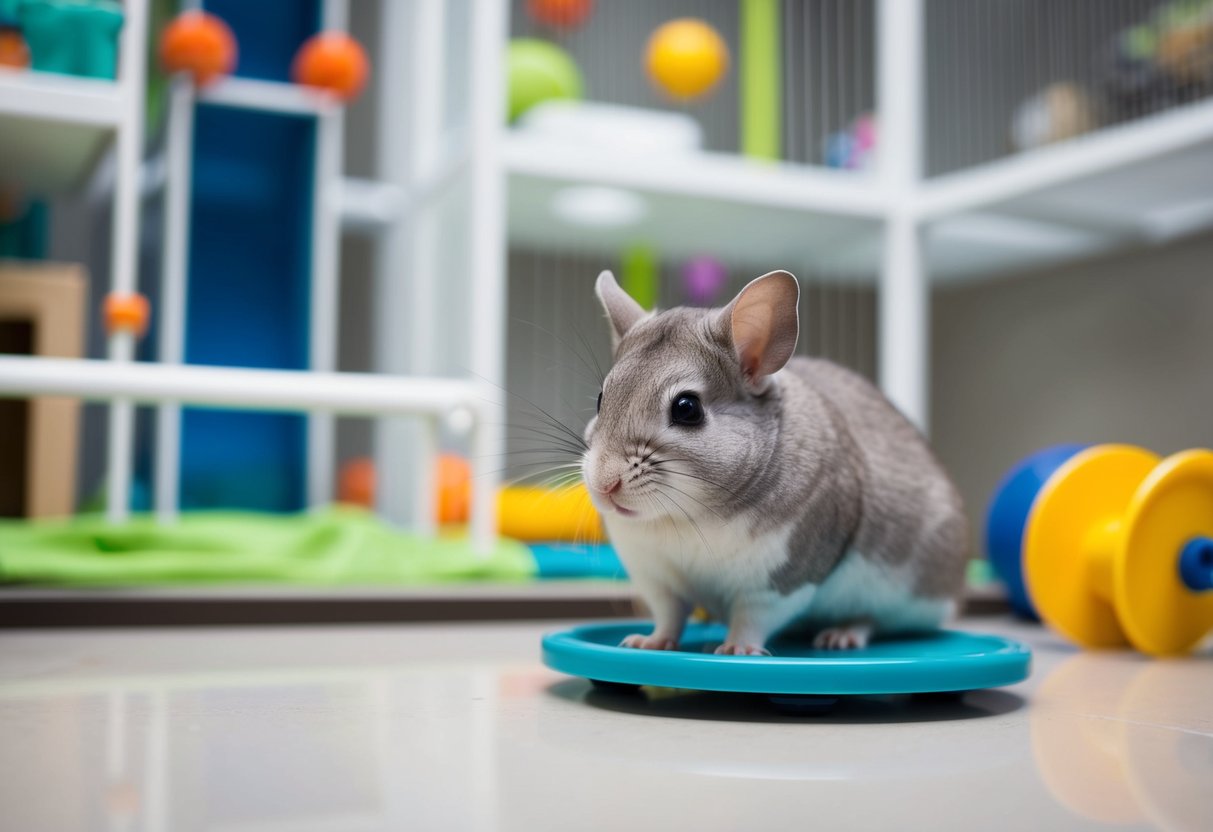
Keeping your chinchilla happy involves regular grooming and ample exercise. Both activities are essential for your pet’s physical health and emotional well-being.
Regular Dust Baths for Coat and Skin Health
Dust baths are vital for your chinchilla’s coat and skin health. Your pet’s fur is dense and can trap oil and moisture, which can lead to skin problems.
Provide a dust bath at least twice a week, using special chinchilla dust. Fill a shallow dish with about 1-2 inches of dust. Let your chinchilla roll and play in it for about 20 minutes.
This activity helps remove excess oils and keeps their fur soft. Make sure the area is clean and free from moisture to avoid skin issues. Regular dust baths contribute to healthy skin and a fluffy coat, making your chinchilla look and feel great!
Exercise Wheels and Physical Activity
An exercise wheel is an excellent way for your chinchilla to stay active. Make sure to choose a solid, safe wheel that is big enough for your pet to run comfortably.
In addition to the wheel, schedule supervised playtime outside of the cage. Create a safe space free of hazards where your chinchilla can explore. This encourages natural behaviors and keeps them mentally stimulated.
Provide chew toys made of wood or natural materials to support dental health. These help wear down their continuously growing teeth while also providing fun. Regular exercise not only keeps your chinchilla fit but also prevents obesity and related health issues.


