
Beagles are known for their friendly nature, but their barking can be a challenge. If you find yourself wondering how to keep your beagle from barking, you’re not alone. Understanding the triggers behind your beagle’s behavior and providing the right tools to address them is key to reducing barking.

Many times, barking stems from boredom or anxiety. By ensuring your beagle has enough exercise and mental stimulation, you can significantly lessen those barking episodes.
Regular walks and interactive toys can help keep your furry friend entertained and content.
Training and consistency are also vital. Teaching your beagle to respond to quiet commands, along with positive reinforcement when they stay calm, can build good habits.
With patience and dedication, you can enjoy a quieter home while still cherishing the joyful spirit of your beagle.
Understanding Beagle Barking Habits

Beagles have unique barking habits driven by their instincts and environment. Understanding why they bark can help you manage and reduce excessive barking.
The Role of Instincts and Breeds
Beagles are scent hounds, originally bred for hunting. Their strong hunting instincts make them more prone to barking. They often bark to alert you to potential dangers, much like they would when hunting. This alert barking can be troubled by their heightened senses.
Because every bark serves a purpose, coming from their instinctual need to communicate, it’s important to understand that barking is a natural behavior. Beagles don’t just bark for fun; they may think they are trying to protect their territory or alert you to a possible intruder.
Common Barking Triggers
Several triggers can lead to reactive barking in beagles. Common causes include things like strangers approaching your home, other animals, or even loud noises. If a beagle hears a doorbell or sees someone outside, they might bark to alert you.
Another major trigger is boredom. A beagle left alone for too long may bark out of frustration. Ensuring your dog has enough physical and mental stimulation can help reduce this type of barking.
Providing toys, regular walks, and playtime can keep them busy and less likely to bark excessively.
Differentiating Between Barking Types
Not all barking is the same. Recognizing different types can help you respond appropriately. Alert barking occurs when your beagle senses something unusual. This is often a quick bark to let you know to check things out.
Playful barking tends to be higher-pitched and is often mixed with excited movements. This is part of their play behavior. Excessive barking, on the other hand, can signal distress or frustration.
Identifying these variations allows you to tailor your approach for each situation. For example, ignoring alert barking while addressing boredom through activities can create a calmer environment. Understanding these subtleties is essential for effective management of your beagle’s barking behavior.
Effective Training Techniques

Training your beagle to stop barking can be done effectively using gentle methods. By focusing on positive reinforcement and crate training, you can create a better environment for both you and your dog. Here are some techniques to consider.
Training Beagles Without Intimidation
Avoiding intimidation is vital when training your beagle. Beagles are sensitive dogs, and harsh methods can lead to fear or anxiety. Use a calm voice and gentle methods to teach your dog.
Start by observing their barking triggers. If they bark at visitors, practice the “quiet” command when they start barking. Show them a treat when they stop barking. Repeat this until they understand.
Incorporate short training sessions and keep them positive and engaging. Remember, your goal is to build trust and make learning enjoyable for your beagle.
Using Positive Reinforcement
Positive reinforcement is a great way to encourage good behavior. When your beagle stops barking, reward them immediately with a treat or praise. This method strengthens your dog’s understanding that silence earns rewards.
Tips for using positive reinforcement:
- Be consistent. Reward your dog every time they bark less or stay quiet.
- Use high-value treats to get their attention.
- Mix in verbal praise with treats to reinforce your bond.
Practicing regularly helps your beagle connect the dots faster. Over time, your dog will learn that quiet moments lead to positive experiences.
The Dos and Don’ts of Crate Training
Crate training can help manage barking, but it’s crucial to do it right.
Dos:
- Do introduce the crate slowly. Make it a cozy space with their favorite toys.
- Do use the crate for short periods initially. This helps reduce anxiety.
- Do provide plenty of exercise and playtime before crate time.
Don’ts:
- Don’t use the crate as punishment. This will only create fear.
- Don’t leave your beagle in the crate for too long. They need opportunities to stretch and relieve themselves.
Your beagle can thrive in a crate if they see it as a safe space. Following these tips can make a big difference in managing barking behavior.
Behavioral Management and Modification
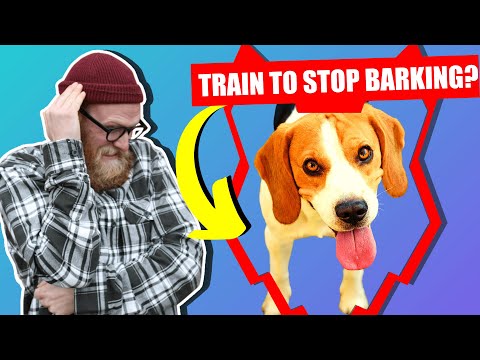
To help your beagle with excessive barking, you can focus on behavioral management and modification. The key is to address underlying issues like separation anxiety while providing mental stimulation and training techniques like desensitization and counter-conditioning.
Addressing Separation Anxiety
Separation anxiety is a common reason for barking in beagles. When left alone, your dog may feel stressed and vocalize their discomfort. To help, try to gradually increase the time your beagle spends alone. Start with short durations and slowly extend them.
Create a safe space for your dog with their favorite toys and a comfortable bed. You can also give them interactive toys that provide mental stimulation. When leaving home, stay calm and don’t make a fuss. This helps your beagle learn that being alone is okay.
Implementing Desensitization
Desensitization helps your beagle get used to the things that trigger their barking. Start by identifying specific triggers, like doorbells or strangers.
Then, play recordings of these sounds at a low volume while your dog is relaxed. Gradually increase the volume over several sessions. Pair these sounds with treats or playtime to create positive associations.
This process helps your beagle associate the triggers with fun, instead of anxiety.
Utilizing Counter-Conditioning
Counter-conditioning involves changing your dog’s emotional response to a trigger. For example, if your beagle barks at the mail carrier, give them treats when the mail carrier approaches. This helps them learn that instead of being anxious, they can expect something positive.
Another effective method is to reward your beagle for remaining calm when they hear a trigger. Use high-value treats and praise to reinforce calm behavior. Be patient, as it may take time for your dog to adjust their reaction.
By combining these approaches, you can help your beagle reduce their barking and foster a more peaceful home environment.
Support Strategies and Tools

To manage your beagle’s barking, creating a calm environment and using supportive tools can make a big difference. You’ll find that combining exercise, mental stimulation, and proper resources will help you and your furry friend enjoy a quieter life together.
Creating a Calm Environment
A calm environment is crucial for reducing barking in beagles. Start by designating a cozy space in your home where your beagle can relax. This area should feel secure and free from loud noises or distractions.
Consider using soft bedding and toys that keep your dog comfortable and engaged. Regularly scheduled quiet times can also help. Ensure your beagle gets plenty of exercise each day, as physical activity is key in managing energy levels.
Try incorporating calming music or white noise machines to cover sounds that may trigger barking. A serene atmosphere encourages relaxation. With consistency, your beagle will start to feel more at ease, decreasing unnecessary barking.
Selecting Calming Aids
Calming aids can be very helpful for beagles that tend to bark excessively. Look for options like natural supplements or calming chews, which can help relax your pet. Many of these products contain ingredients such as chamomile or valerian root.
You might also consider using a comfortable thunder shirt or wrap. This snug fit can have a soothing effect on anxious dogs. For some beagles, bark collars might be a solution. These collars can emit a sound or vibration to deter barking, but use them responsibly and follow instructions carefully.
Make sure to always choose products that are suitable for your dog’s size and temperament. Consult your vet before starting any new aid to ensure it’s safe and appropriate for your pet.
When to Consult a Professional Dog Trainer
If you find that barking persists despite your efforts, it may be time to reach out to a professional dog trainer. A trainer can assess your beagle’s specific behavior and help tailor a plan that suits your dog’s needs.
Look for a trainer with experience in working with beagles and reactive barking issues. Group classes or one-on-one sessions can be effective. A trainer will teach you techniques for managing barking, ensuring you have the support you need.
They may also suggest additional exercises and mental stimulation tailored for your beagle. This guidance can make a significant difference in your dog’s behavior over time, leading to a more peaceful household.


