
Want to enjoy the outdoors without worrying about bee stings? You can take some simple steps to keep bees from stinging you.
Honestly, the best way to avoid bee stings is to stay calm, skip sudden movements, and wear clothes that don’t attract bees. Blending in helps you look less like a threat, so bees usually leave you alone.
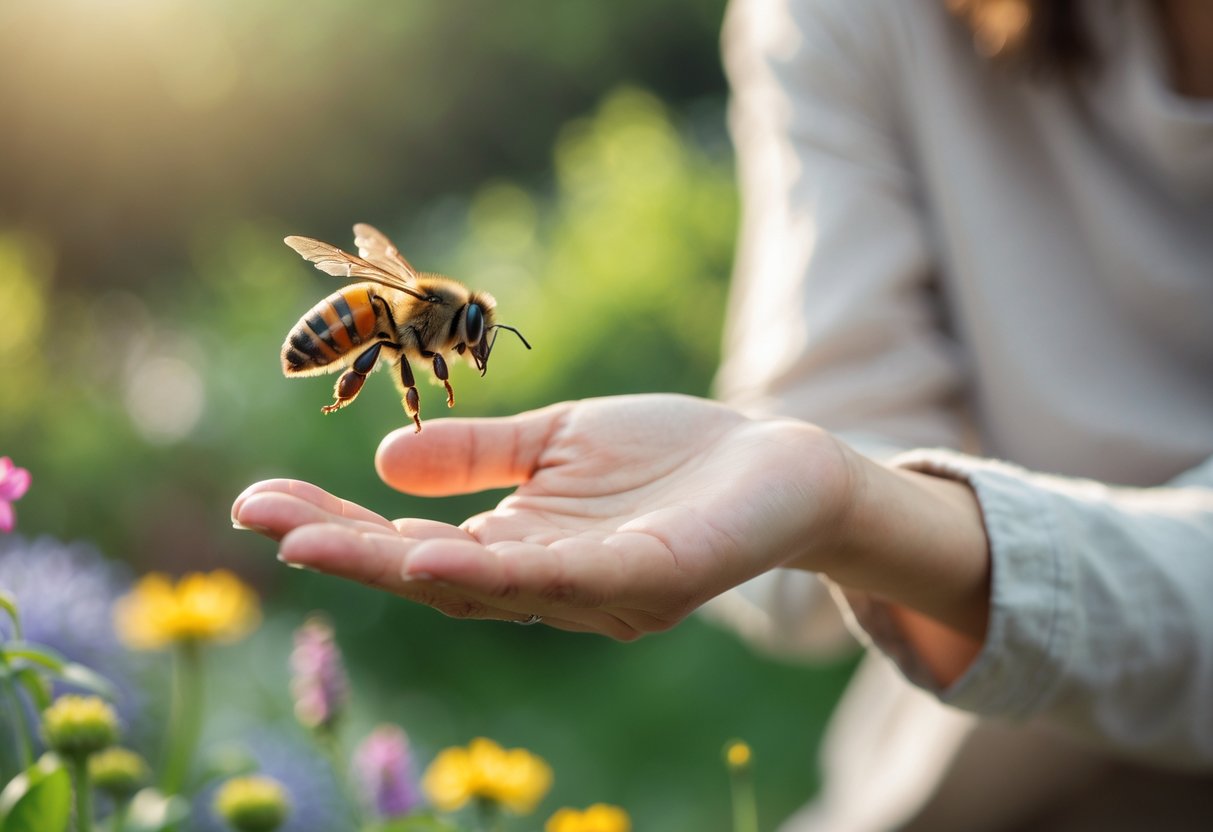
Try to steer clear of places where bees nest. If you need to, use natural repellents.
Understanding how bees behave can help you avoid disturbing them by accident. With the right approach, you can spend more time outside and worry less about bee stings.
Essential Strategies to Prevent Bee Stings
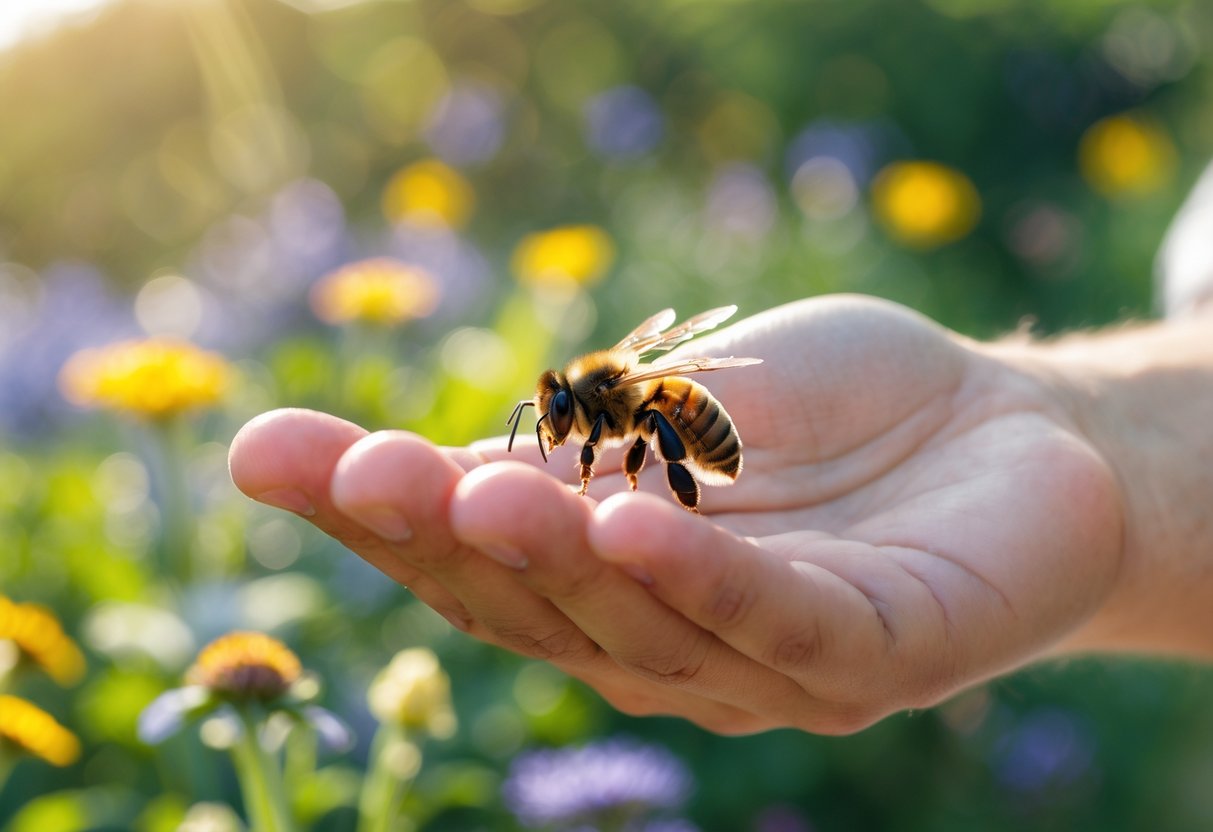
If you know what makes bees sting and how they act, you’ll be safer. The clothes you wear and how calm you stay matter a lot.
It also helps to avoid places where bees live.
Understanding Bee Behavior and Triggers
Bees usually sting to defend themselves or their homes. Honey bees, bumblebees, and carpenter bees all act a little differently, but they react when they feel threatened.
Watch out for buzzing close to your body or sudden movements near a hive.
Bees get the most active on sunny, warm days when flowers are blooming. Bright colors and strong floral scents attract them.
Try not to wear bright clothing or perfumes if you’re outside and want bees to ignore you.
If you stay still and calm, bees probably won’t see you as a threat. Swatting at a bee almost always makes things worse.
If you understand how bees act, you’ll know when to move slowly or just stand still.
Proper Clothing and Personal Protection
The right clothes really help lower your risk. Pick light-colored, smooth fabrics instead of bright or floral patterns.
Skip perfumes, scented lotions, and hairspray. Bees love those smells.
Cover up as much skin as you can, especially if you’re near bee colonies or lots of flowers. Long sleeves, pants, and closed shoes work better than shorts or sandals.
If you’re beekeeping, use thick cotton gloves and veils for extra protection. But honestly, no clothing is perfect, so it’s smart to combine good clothes with other strategies.
How to Respond Calmly Around Bees
When a bee gets close, try to stay calm. Don’t make any sudden moves.
Keep your hands down and avoid waving or swatting. Quick movements just stress bees out and make stings more likely.
If a bee lands on you, let it fly away on its own. Running or slapping at it usually ends badly.
You can also slowly walk away from the area if bees are hanging around.
If you’re allergic or worried about a reaction like anaphylaxis, always carry emergency meds like an epinephrine auto-injector. Calm breathing and slow actions go a long way to keep you safe.
Avoiding Bee Nests and Colonies
Be careful around spots where bees build homes—think hollow trees, walls, or underground. Bees protect their colonies, so getting too close can be risky.
Check for hives or nests before you start hiking or gardening. Keep your distance and never try to move a nest on your own.
If you find a nest near your house, call a professional beekeeper or pest control expert. They know how to handle bees safely.
Leaving nests alone keeps you and the bees safe.
For more practical tips, check out this page on preventing bee stings.
Creating Bee-Friendly Environments and Natural Deterrents
You can protect yourself from bee stings by changing up your outdoor space and habits. The right plants, scents, and better food and trash management can keep bees at a distance while still helping them do their pollinator thing.
Choosing the Right Plants for Your Garden
Choose plants that pull bees away from where you hang out. Flowers like lavender, mint, sunflower, and coneflower are bee favorites.
Plant them away from your main paths or places where you sit.
Try not to put super-bright or strong-smelling flowers near your eating or relaxing spots. Bees love sweet smells and bright colors, so keeping those plants away from people helps.
Native plants can also support a bee-friendly yard. They keep bees busy in one area, so you get fewer surprise visits elsewhere.
Natural Scents and Repellents That Bees Avoid
Some essential oils just bother bees. You can use citronella, eucalyptus, peppermint, and citronella oils as natural repellents.
Mix a few drops with water and spray it around patios, tables, or doorways. This keeps bees away without hurting them.
Skip strong perfumes or floral scents when you’re outside. Bees get curious about those and might come a little too close.
Managing Food, Drinks, and Trash Outdoors
Try to keep your outdoor space tidy if you want to avoid bees buzzing around your food or drinks. If you spill something sugary, grab a napkin and wipe it up right away—bees love anything sweet.
Go for trash cans with lids, and don’t forget to empty them regularly. Leaving bags open or tossing leftovers on the ground? That’s practically an invitation for bees.
If you can, serve food indoors or set up a spot for snacks away from where everyone hangs out. It’s a small change, but it really can make a difference in keeping those bees at bay.


