
You’ll notice squirrel poop as small, smooth pellets that look a bit like coffee beans or maybe tiny raisins. If you come across clustered, dark brown to black, pill-shaped droppings about 1/4″ to 1/2″ long, you’re probably looking at squirrel scat.
The color starts dark but fades to lighter brown or gray as it dries out.

Knowing what this looks like helps you figure out where squirrels hang out and if they’ve moved into your attic or yard. The next parts will help you tell squirrel droppings apart from other rodents and show you what to watch for if you’re worried about an infestation.
How Squirrel Poop Looks Like

You’ll learn how to spot squirrel droppings by their shape, size, color, and where they tend to pile up. The details below help you figure out the differences between squirrel scat and rat or mouse droppings, plus what to expect from tree, ground, and flying squirrels.
Key Features and Identification
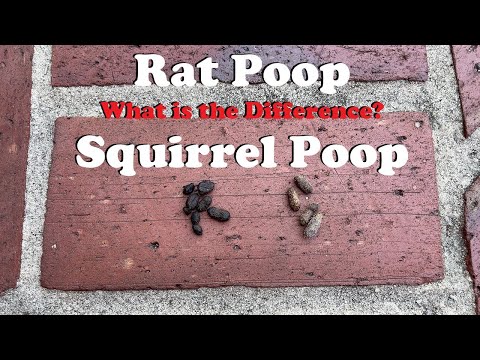
Squirrel poop usually shows up as small, oblong pellets that really do look like tiny coffee beans. Each pellet feels firm, with rounded ends, and you’ll often see them grouped together in a pile instead of scattered everywhere.
Look for pellets about 0.25–0.5 inches long if you’re dealing with tree or ground squirrels. Sometimes the pellets look smooth, but you might spot tiny plant fibers.
Fresh droppings look dark brown to black, but older ones fade to tan or gray. Check places like attic corners, lofts, under bird feeders, or near tree bases.
Flying squirrels tend to leave a deep, centralized pile in attics. If you’re planning to clean them up, put on gloves and a mask.
Differences Between Squirrel Poop and Rat or Mouse Droppings
Rat and mouse droppings usually look more tapered and come in different sizes. Rat feces are bigger and capsule-shaped, usually 0.5–0.75 inches long.
Mouse droppings are tiny, thin, and pointed at one or both ends. Squirrel pellets are rounded and barrel-shaped, not sharply pointed.
Squirrel droppings cluster in piles or latrines, while rat and mouse droppings scatter along their runways or near food. Texture helps too—squirrel poop sometimes shows plant fibers from nuts and seeds.
Rodent droppings rarely show visible fibers. If you find a concentrated pile in your attic, think squirrels first.
Color, Size, and Texture Variations
The color changes as it ages or depending on what the squirrel eats. Fresh squirrel poop is dark brown or nearly black.
After a few days or weeks, it dries out and turns lighter brown, tan, or gray. Size depends on the species.
Tree and ground squirrels leave pellets about 0.25–0.5 inches long. Flying squirrel pellets are a bit smaller.
Sometimes you’ll see bits of shell, seed hulls, or plant strands in the poop. Diet changes the shape too.
A squirrel that eats a lot of nuts leaves firmer, compact pellets. If it’s been eating fruit or insects, the droppings might be softer and less formed.
Moist droppings look darker and can flatten where they sit.
Droppings by Squirrel Species
Tree squirrels leave pellets that look like coffee beans, about 0.375 inches long. You’ll usually find these in rooflines, attics, or under feeders, often in small piles near nests.
Ground squirrels drop similar-shaped pellets, but you’ll spot them around burrow entrances or in open ground areas. Sizes can overlap, so where you find them matters.
Flying squirrels leave cylindrical pellets that are a little smaller. They’re social, so you might find big, concentrated piles inside attics or hollow trees.
These piles build up fast since several squirrels use the same spot. If you want to compare, check a photo guide like the ones at A-Z Animals to match pellet size and placement.
Safety, Infestation Signs, and Cleaning Squirrel Poop
You should treat squirrel droppings as a health risk and a home problem. Wear proper protection, keep an eye out for signs that squirrels are active, and clean up in a way that lowers your risk and keeps them from coming back.
Health Risks of Squirrel Droppings
Squirrel droppings can carry bacteria and parasites that might make you or your pets sick. Touching droppings with bare hands or stirring them up can release particles into the air.
Illnesses linked to wild rodent feces include salmonella and other infections. These are rare, but you could get sick if you touch contaminated surfaces or food.
Fresh droppings look dark and moist, while old ones turn gray and crumbly. Crumbling poop becomes airborne more easily, so don’t sweep or vacuum dry droppings.
If you have breathing problems, weak immunity, or small kids, it’s smarter to call a pro for cleanup and squirrel removal.
Recognizing a Squirrel Infestation
Look for droppings in attics, along roof beams, inside soffits, and near vents. You might spot small, rounded pellets about 3/8–1/2 inch long, often clustered under nests or feeding spots.
Check for chewed insulation, gnawed wood or wires, and piles of acorns or nut shells. Listen for scratching or scurrying at dawn and dusk.
Inspect attic access points, rooflines, and soffit vents for holes or gaps about the size of a fist. If you see lots of droppings, fresh signs, or squirrels inside, it’s time to call a wildlife removal expert.
How to Clean Up Squirrel Droppings Safely
Don’t sweep or vacuum dry droppings. That just stirs up dust and who wants to breathe that in?
Instead, put on gloves, an N95 or similar respirator, some eye protection, and, if you can swing it, disposable clothing.
Mist the area with a 10:1 water-to-bleach mix, or use a disinfectant made for animal waste. Let it sit and soak for 5 to 10 minutes.
Pick up the droppings with paper towels. Double-bag the waste and toss it out with your regular trash.
Go over the area again with disinfectant and let it dry out.
Once you’re done, wash your hands and any skin that might’ve been exposed—really scrub up after you take off the gloves.
If you’re dealing with a big mess, like nests or droppings in insulation or air ducts, call a wildlife control or cleanup pro. They’ll know how to get rid of contaminated stuff safely and can seal up entry spots to keep squirrels from coming back.


