
Ever wondered how smart chimps are in human years? Well, their intelligence kind of matches that of a young child—think somewhere between 3 and 5 years old.
Chimps solve problems, use tools, and communicate in ways that remind us of toddlers. But they just don’t reach the complex thinking levels of older kids or adults.

You might be surprised to find out that chimps can understand their own thoughts and even plan for the future.
They show self-control and remember past events, which puts them ahead of most animals. Still, when it comes to language and some social skills, human kids usually come out on top.
It’s kind of amazing how close their intelligence is to ours, even though it’s not quite the same. Their smarts highlight the wild connection we share, and honestly, studying chimps can teach us a lot about ourselves.
If you’re curious what makes chimps so clever, let’s dive into their unique talents.
Comparing Chimp Intelligence to Human Development
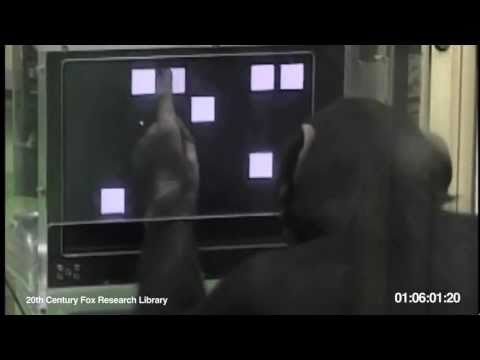
Chimpanzee intelligence really does look a lot like that of human children, especially in how they think and learn.
Their brains and behavior develop in ways that mirror young humans, but there are some important differences in their social skills and how genetics shapes their minds.
Cognitive Abilities Across Ages
Chimps have mental skills that line up with toddlers and young kids. You’ll see them solve problems, use tools, and even plan ahead.
Like a child between 2 and 5, chimps remember things that happened before and make choices based on what they think will happen next.
They control their impulses and focus well. For instance, they distract themselves to avoid temptation, which shows real self-control.
You might catch a chimp recognizing itself in a mirror or photo. That’s a sign of self-awareness, something rare among animals.
Chimps learn by watching and copying what others do, even if they saw it a while ago. Their learning pace feels similar to young kids, growing in stages.
Key Differences in Social Learning
Chimps pick up a lot just by watching others, but their social learning doesn’t go as far as it does for human kids.
You’ll see them use gestures and sounds to communicate. Some chimps even learn simple sign language and change how they “talk” if others don’t get it.
But unlike kids, chimps don’t ever really master complex language or storytelling. Their social groups are smaller and not as flexible, which limits how much they can share and pass on.
They do show empathy and follow group rules. If someone breaks those rules, chimps might exclude them.
Still, the way they share knowledge isn’t as deep as humans, so their social learning only goes so far.
Genetic and Brain Development Factors
Chimp brains grow a lot like young humans, but not on the same scale.
Their brain tissue changes in patterns that look similar to infants and young kids, but chimps can’t match the complexity or flexibility of human thinking.
Genes play a huge part in how smart a chimp gets. About half of their intelligence comes from genetics, while the rest comes from their environment.
Chimps living in different places show different genetic tweaks, especially around health and resisting disease.
Humans have genes that let our brains grow and change more flexibly. That’s part of why we learn and adapt better than chimps.
Even though chimps can solve puzzles and communicate pretty well, their brain’s genetic design puts a cap on just how far their smarts can go.
If you want to dig deeper, check out this study on chimpanzee cerebral development.
Chimpanzee Intelligence in Context

Chimps really shine when it comes to solving problems and using tools. They also communicate in ways that help their group stick together and share what they know.
If you look at orangutans too, you’ll notice some cool differences and similarities in how these apes think and act.
Tool Use and Problem-Solving Skills
Chimps are surprisingly good at using tools, especially to get food.
They’ll grab sticks to fish termites out of mounds or use rocks to crack open nuts. These aren’t random choices—they actually pick and sometimes tweak their tools for the job.
You might see a chimp solving puzzles by watching others and trying out different ideas until it works.
Their memory helps them remember the best tools and where to find food. Chimps often keep trying until they figure it out, which shows patience and a certain kind of smarts.
Watching others is a big part of how chimps get better at using tools. That’s a kind of cultural learning, not just instinct.
Communication and Cultural Behaviors
Chimps use a mix of sounds, gestures, and facial expressions to talk to each other.
You can often guess a chimp’s mood by its face or body language. A reach or slap can send a clear message without a single word.
They make different calls to warn the group or call everyone together. These forms of communication help them stay safe and work together, whether they’re hunting or defending their turf.
Their communication is pretty complex, though it doesn’t reach the level of human language.
Chimps live in groups with their own social rules, passing down skills and traditions. Some behaviors, like certain tool use or ways of playing, get handed down from group to group, creating a unique culture for each chimp community.
Comparisons with Orangutans
Orangutans are definitely smart, but honestly, their intelligence just looks different than what you see in chimpanzees.
They spend a lot more time on their own. You’ll often spot them using tools for things like feeding—think leaves as makeshift umbrellas or sticks to poke at insects.
Orangutans solve problems solo, and they’re actually pretty good at it. Chimpanzees, on the other hand, lean hard into group learning and social cooperation.
So, while chimps seem better at sharing what they know and teaming up, orangutans stick to their independent streak.
Both animals use tools, sure, but chimps tend to show off a bigger range and weave these skills deeper into their social lives.
Chimps’ intelligence feels tightly connected to their social world. Orangutans? They’re just more solitary when it comes to learning.
Curious about how chimps pick up tool use or learn from each other? Take a look at their tool use and problem-solving skills—it’s honestly fascinating.


