
Seahorses are hungry little creatures. You’ll want to feed them several small meals daily since they eat fast and burn through food even faster.
Most adult seahorses thrive with two or three feedings a day. Juveniles? They’re even hungrier—three or four smaller meals usually do the trick. This keeps their energy up and, honestly, helps dodge stomach issues.

Feeding the right foods—and using target-feeding—makes every meal count. I’ll walk you through how often to feed by age and species, what foods actually work, and some simple ways to keep the tank clean while you’re at it.
How Often Do You Have to Feed Seahorses?

Seahorses need regular, controlled meals packed with nutrients—think frozen Mysis shrimp. Match feedings to their size, age, and activity level so they don’t go hungry or mess up your water quality.
Seahorse Digestion and Metabolic Needs
Seahorses don’t have a stomach, so food just zips right through them. They burn calories quickly and need steady meals to keep their energy and digestion in check.
Captive-bred seahorses usually take to frozen Mysis shrimp and settle into your routine pretty well. Wild-caught ones? They might only eat live food at first, so you’ll have to teach them to accept frozen stuff.
Since digestion happens fast, leftover food can quickly foul the water and spike ammonia. Use gentle filtration, and keep feeding windows short to cut down on waste.
Watch your seahorses. If they act tired, stop eating, or breathe quickly, you might have a digestive problem or illness on your hands.
Recommended Feeding Frequency for Adults and Juveniles
Feed adults twice a day, about 6–8 hours apart. Offer enough food for them to finish in 15–30 minutes.
Juveniles grow fast and need food more often—three times daily works well. Give them smaller portions so they can eat everything before it breaks down.
If you’re breeding seahorses or have really active pairs, increase the portion size instead of feeding more often.
Wild-caught seahorses usually start with live food once a day. Gradually, you can shift them to frozen Mysis as they get used to it.
How to Determine the Right Amount per Feeding
Here’s a simple trick: most adult seahorses eat about a cube of thawed frozen Mysis shrimp per meal. Adjust for age, body shape, or if they’re breeding.
Try this:
- Offer a measured portion and time how long they take.
- If food’s still there after 30 minutes, cut back next time.
- If they gobble it up and look for more, add a little extra.
Don’t overdo it, though. Too much food messes up water quality and can lead to diseases like bacterial infections.
Keep a feeding log for a week to see how much they’re eating and how they’re doing. Clean your filter media and do regular partial water changes to keep things safe and healthy for your seahorses.
What Do Seahorses Eat and Best Feeding Methods
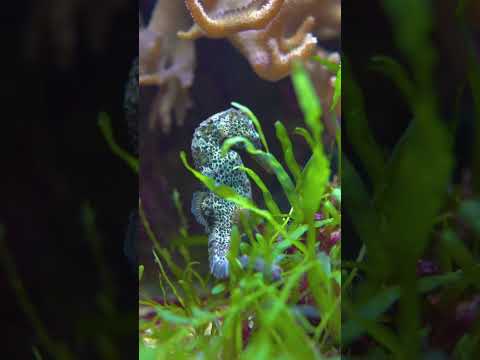
Seahorses love small crustaceans and plankton-like prey. They need frequent small meals and do best when you feed them directly, so each one gets its fair share.
Good water quality and a varied, enriched diet keep them healthy and ready to breed.
Staple Foods: Mysis Shrimp and Alternatives
Frozen mysis shrimp is the go-to staple for most aquarium seahorses. Offer thawed, rinsed mysis—if you can, enrich it with a vitamin or HUFA product.
Feed two to five shrimp per adult per meal, twice a day for medium-sized species. Adjust for their size and appetite.
If you can’t find frozen mysis, go for live mysis, amphipods, or gammarus. Larger Hippocampus species will eat small shrimp like ghost or glass shrimp.
Dwarf seahorses? They need tiny foods like copepods, cyclops, or rotifers and lots of feedings.
Diet Variety: Live and Enriched Foods
Live foods get seahorses hunting and keep them interested. Rotate in live amphipods, copepods, and enriched brine shrimp (Artemia nauplii) to keep things interesting and add micronutrients.
Enrich baby brine shrimp with HUFA and vitamins before feeding, but only use them as a supplement.
Enrich frozen foods, too. Sprinkle on powdered enrichment or briefly soak frozen mysis in HUFA oil before feeding.
Now and then, toss in treats like Pacific plankton mixes or red volcanic shrimp—they perk up behavior but shouldn’t replace the main diet.
Target Feeding and Use of Feeding Stations
Target feeding helps shy or slow eaters get their share. Use a turkey baster, feeding pipette, or set up a small feeding station in the same spot every time.
Train your seahorses to eat at the station by feeding there consistently. They’ll catch on in a few days.
Put food within a body-length of each seahorse’s snout so they can grab it easily.
If you have a group, feed at more than one station or take turns so the bossy ones don’t hog the food.
For fry or Hippocampus reidi, use finer pipettes and offer smaller prey more often.
Monitoring, Water Quality, and Feeding Challenges
Keep an eye out for leftover food after about half an hour. If you spot uneaten frozen mysis, that’s a sign you’re probably overfeeding—and honestly, it’ll just foul up the water.
Grab a siphon and pull out any debris you see. Make it a habit to check nitrate and ammonia levels every week. Bad water quality? That’ll kill their appetite and, honestly, just invites disease.
Watch each seahorse closely—notice how their bodies look and what they’re eating every day. If one suddenly stops eating, you might want to try live mysis, use a feeding pipette, or even fast them for a day before you offer enriched food.
Always quarantine new live feeds, or just buy cultured live prey. That way, you lower the risk of bringing in pathogens to your seahorse tank.


