
Are you thinking about bringing an Alaskan Husky puppy into your home? These adorable dogs are known for their friendly nature and stunning looks. You can expect to pay between $1,000 and $1,500 for a healthy Alaskan Husky puppy, although prices can soar to $6,000 or more for purebreds or puppies from top racing lines.

Alaskan Huskies are often compared to their cousins, the Siberian Huskies, but they are a bit different in terms of purpose and breeding. While both breeds are loved for their playful spirit and strong work ethic, Alaskan Huskies are typically bred for racing and performance. This can make them some of the more expensive dog breeds out there.
As you explore your options, knowing the potential costs can help you make the best choice for you and your family.
Understanding the Alaskan Husky Breed

The Alaskan Husky is a fascinating breed known for its strength and endurance. As a working dog, it has been bred mainly for sledding and other tasks in cold climates.
These dogs are often friendly and sociable. They typically get along well with strangers, making them great companions.
Their temperament is energetic, so they need plenty of exercise. Daily walks or runs are essential to keep them happy and healthy.
Alaskan Huskies come in various sizes, similar to the Siberian Husky and the Malamute. They are leaner than Malamutes but are still very strong.
When training your Alaskan Husky, patience and consistency pay off. They are intelligent but can be stubborn at times.
You can expect a lifespan of about 10 to 15 years with proper care. This includes regular vet check-ups and maintaining a healthy diet.
With proper socialization, your Alaskan Husky will thrive in your family. They love to be active and often enjoy playing with children or other pets.
Factors Influencing the Price of Alaskan Husky Puppies
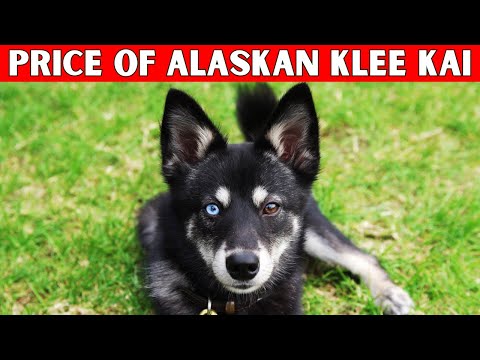
When looking to buy an Alaskan Husky puppy, several key factors can greatly impact the price you will see. Understanding these elements can help you make an informed decision.
Breeder Reputation and Location
The reputation of the breeder plays a crucial role in determining the price of Alaskan Husky puppies. Reputable breeders invest time and resources to ensure healthy puppies. They follow ethical breeding practices and provide proper care.
Breeders located in urban areas may charge more due to higher costs of living. In contrast, breeders in rural areas may offer lower prices.
To find a good breeder, check reviews and ask for recommendations. Always look for breeders who prioritize health and temperament.
Pureblood Lineage and Certification
The lineage of the puppy can significantly affect its price. Pureblood Alaskan Huskies often cost more than mixed breeds. This is because they come from a line with verified pedigree and health certifications.
Certification from organizations ensures the puppies meet breed standards. This may include checks for conditions such as hip dysplasia and progressive retinal atrophy. A well-documented lineage adds to the puppy’s value.
Health Checks and Vaccinations
Puppies that undergo thorough health checks and vaccinations before sale tend to be pricier. Responsible breeders perform tests for common health issues, such as eye problems, cancers, and hypothyroidism.
These health checks help ensure that your new puppy is not only healthy but also raises the odds of a long, happy life.
Vaccinations protect your puppy from common diseases. When choosing a puppy, consider the importance of health guarantees and the care taken by the breeder. This can lead to a better investment in the long run.
Caring for an Alaskan Husky

Caring for an Alaskan Husky involves understanding their unique needs. Proper attention to their diet, exercise, grooming, and training helps ensure a happy and healthy life for your furry friend.
Diet and Nutrition
Feeding your Alaskan Husky a balanced diet is essential for their health. Focus on high-quality dog food that includes meat as the first ingredient. Look for brands that contain essential nutrients like protein, fats, vitamins, and minerals.
You should feed your Husky based on their age, weight, and activity level. Puppies may need 3-4 meals a day, while adults typically do well with 2 meals.
Monitor their weight to prevent obesity, as Alaskan Huskies have a tendency to gain extra pounds if not properly managed.
Fresh water should always be available. Adding treats like fruits or vegetables can be a nice bonus, but avoid giving them anything toxic, like chocolate or grapes.
Exercise and Mental Stimulation
Alaskan Huskies are known for their energy and endurance, so daily exercise is crucial. Aim for at least 1-2 hours of physical activity. This can include walking, running, or engaging in agility training.
In addition to physical exercise, mental stimulation is equally important. Puzzle toys, training sessions, and interactive games keep your Husky’s mind sharp.
Remember, a bored Husky might exhibit destructive behaviors.
Social activities, like playdates with other dogs, can also provide great mental benefits. These activities keep your pup well-rounded and happy.
Grooming and Shedding
Your Alaskan Husky’s beautiful coat requires regular upkeep. They shed heavily twice a year, during spring and fall. During these seasons, brushing them several times a week helps manage the fur.
Use an undercoat rake to remove loose fur and maintain their coat’s health. Outside of shedding season, brushing once a week is usually enough.
Bathing should occur only when necessary, as overbathing can strip their coat of natural oils. Regular ear checks and dental care are essential for their overall health, too.
Training and Socialization
Start training your Alaskan Husky early. Alaskan Huskies are intelligent but can be independent and stubborn. Use positive reinforcement techniques. Encourage good behavior with treats and praise.
Socialization is key for a well-adjusted dog. Expose your Husky to various environments, people, and other animals. This helps them adapt to new situations and reduces anxiety.
Keep commands simple and consistent. Incorporating obedience training can improve their temperament and reduce unwanted behaviors. Engaging in training sessions also provides mental stimulation, further benefiting your dog’s well-being.


