
If you’re curious about canine companions, you might wonder how much the rarest dog in the world costs. The price for the rarest dog breeds can range significantly. Often, they start at a few hundred dollars and go up to several thousand. For example, breeds like the Peruvian Inca Orchid can cost between $600 and $3,000, depending on various factors like lineage and availability.

Rarity often goes hand in hand with price, making some dogs extremely sought after. The unique features and limited breeding of these dogs can drive their costs up. You might also find that some of the most expensive dog breeds, like the Tibetan Mastiff, can range between $4,000 and $7,000. Understanding the value of these rare breeds might help you decide if owning one is the right choice for you.
Understanding Canine Rarity and Value

Canine rarity and value depend on several factors, including breed history, popularity, and characteristics. Knowing these can help you understand why certain breeds, like the Tibetan Mastiff or Canadian Eskimo Dog, can come with a hefty price tag.
Factors Influencing Dog Rarity
Several factors make a dog breed rare. First, some breeds have limited breeding populations. For example, the Tibetan Mastiff is not commonly bred outside specific regions. This limited availability increases demand and can drive up costs.
Second, historical significance contributes to rarity. Breeds like the Samoyed or Chow Chow have unique roles in history. Their heritage adds to their allure and can make them more valuable.
Geographic location also plays a role. Certain breeds are often found in specific countries. The Canadian Eskimo Dog is one such breed, mainly found in Canada. This geographic limitation can make them harder to find elsewhere.
Determining the Cost of Rare Breeds
The cost of rare dog breeds varies widely. Factors like age, health, and breeder reputation significantly affect prices. For example, a well-bred Tibetan Mastiff may cost between $3,000 to $5,000, while a rare English Bulldog can go for similar or even higher prices due to its popularity.
Additionally, some rare breeds may have specific care requirements that can affect long-term costs. Owning a Chow Chow or Samoyed may involve higher grooming expenses, which is something to consider.
Lastly, trends in the dog market can fluctuate prices. Rare breeds may become more desirable after media exposure, significantly impacting their cost. As a potential owner, doing your research can help you make informed choices about investing in a rare breed.
Top Contenders for the Rarest Dog
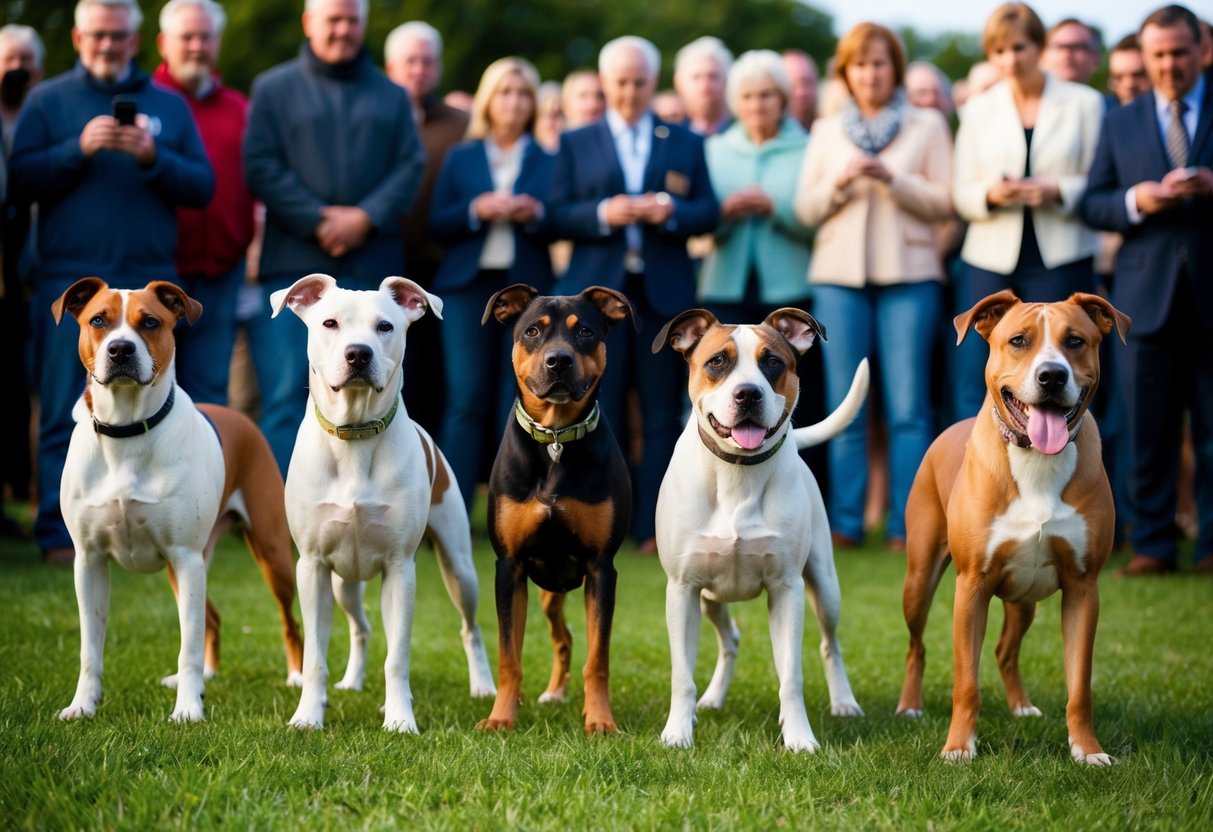
When it comes to rare dog breeds, a few stand out for their unique traits and expensive price tags. Here are three of the most notable dogs that capture interest and admiration.
Tibetan Mastiff: A Status Symbol
The Tibetan Mastiff is one of the most expensive dog breeds in the world. Prices for puppies can reach anywhere from $1,500 to a staggering $12,000.
These dogs have a double coat, which helps them thrive in cold climates. They are known for their impressive guarding abilities and strong loyalty.
Owning a Tibetan Mastiff can be a status symbol. Many people admire their size and regal appearance. However, they require proper training and socialization due to their strong wills.
Exotic Appeal: The Norwegian Lundehund
The Norwegian Lundehund is quite rare with unique features. This breed has six toes on each foot, which helps them climb rocky surfaces effortlessly.
Prices for these dogs range significantly, often starting around $1,500. Their lively personalities make them great companions, but they still need a dedicated owner.
Lundehunds have a double coat that protects them in cold weather. Because they are so rare, finding a reputable breeder can be a challenge.
Canadian Eskimo Dog: Survivors of the North
The Canadian Eskimo Dog is another rare breed with deep historical roots. They were vital to the survival of Inuit peoples, used for both companionship and work.
These dogs typically cost between $1,000 and $3,000. Their thick double coat allows them to endure harsh northern climates.
They are known for their strength and endurance, making them skilled sled dogs. If you’re considering this breed, remember they require plenty of exercise and a firm leader.
Care and Ownership of Rare Dogs
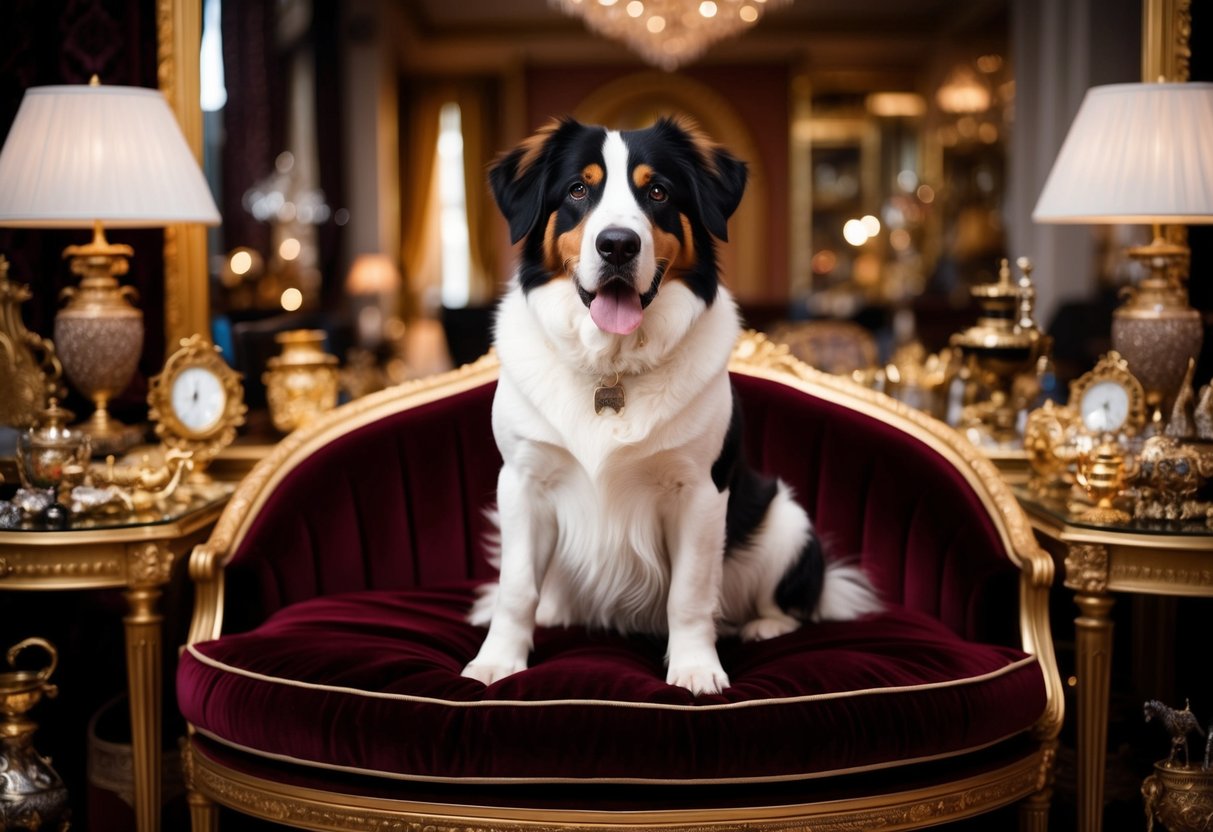
Owning a rare dog involves more than just the initial purchase price. It’s essential to find reputable breeders and understand the maintenance and health needs of these unique breeds.
Finding Reputable Breeders
When looking for a rare dog like a Löwchen or Saluki, it’s crucial to research breeders thoroughly. A reputable breeder will provide health clearances for both the parents and puppies. They should be knowledgeable about the breed and willing to answer your questions.
Ask for references and visit the breeder’s facility if possible. This will help you see the living conditions and the care the dogs receive. Avoid purchasing from pet stores, as they often obtain dogs from unethical sources. Instead, seek out those who truly care about their breeds, such as breeders of the English Foxhound or Dogo Argentino.
Maintenance and Health Considerations
Rare breeds may have specific health and maintenance needs. For instance, Akitas can be prone to certain genetic conditions that require regular vet check-ups. Always remember to schedule routine visits to keep their health in check.
You should also invest time into training and socialization. Many rare dogs need consistent training due to their unique temperaments.
Regular exercise is important too, especially for active breeds like the Dogo Argentino. Make sure to provide mental stimulation through toys and activities.
Having a rare dog can be rewarding, but understanding their needs is vital for a happy, healthy life together.


