
You might be surprised at just how little water a giraffe actually needs. A giraffe can often go several days—or even a few weeks—without drinking, since it gets most of its moisture from the leaves it eats. That simple fact shapes how giraffes live, move, and dodge danger in dry places.

Let’s dig into how their diet and body help them save water, when they really have to visit a waterhole, and why their drinking habits matter for survival. You’ll see how their neck, feeding choices, and behavior all play a part in why they don’t need water as often as you might expect.
How Long Can a Giraffe Go Without Water?
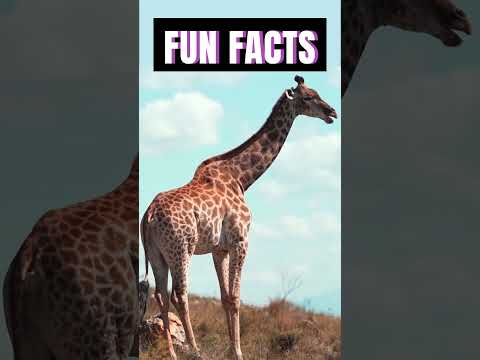
Giraffes usually get most of their water from the leaves they munch on, so they don’t hit up standing water all that often compared to other mammals. Their drinking patterns, body size, and habitat really decide how long they can last without a direct drink.
Average Duration Without Drinking
A healthy adult giraffe can go for several days, and sometimes even weeks, without drinking free water. It depends a lot on how much moisture they get from food and what the weather’s like.
When leaves are fresh and full of water—especially acacia leaves—a giraffe might skip drinking for days. If it’s the dry season, though, you’ll spot giraffes at waterholes every few days.
Size makes a difference. Larger males lose more water, so they might need to drink more often than smaller females or the young ones.
Hot weather, walking long distances, or illness can cut down the time a giraffe can safely go without a drink.
How Giraffes Consume Water
When a giraffe finally decides to drink, it has to spread its front legs or bend its knees just to reach the ground. This awkward pose makes them slow and kind of vulnerable—predators could be lurking.
To stay safe, giraffes usually drink in groups and take turns keeping watch.
They get water from leaves, dew, and sometimes fruit. Their kidneys help by making very concentrated urine, and they lose less water in their dry feces. Giraffes also don’t sweat much, which helps them hold onto more water.
All these quirks let them survive in dry places where finding a waterhole isn’t so easy.
Comparison With Camels and Other Desert Animals
Camels handle long stretches without water by storing fat in their humps and putting up with dehydration. They often last two to three weeks between drinks in rough conditions.
Giraffes work a bit differently. They don’t have a hump, but they rely on food moisture just as much.
Desert animals like the thorny devil and sand gazelle get their water from food too, and their bodies make super-concentrated urine to save every drop. The water-holding frog actually stores water inside itself for dry times.
Giraffes use their diet and efficient kidneys, but their tall size and social habits make them stand out.
- Giraffes: get most water from food, drink rarely.
- Camels: store fat, handle dehydration longer.
- Thorny devil, sand gazelle, water-holding frog: each have their own unique water-saving tricks.
Unique Water Conservation Adaptations in Giraffes

Giraffes stick it out in dry savannas by pulling water from food, losing very little through waste, and being smart about when and how they drink to avoid predators.
These skills let a giraffe go days or even weeks without much direct drinking.
Extracting Moisture From Acacia Leaves
It’s pretty wild watching a giraffe eat acacia leaves. Those leaves are packed with moisture and sugars, giving giraffes both water and energy.
During the wet season, one adult giraffe might eat dozens of kilograms of leaves a day, and a lot of that is water.
They use their long necks and grabby tongues to reach high into trees, where the leaves stay green longer. Their tongues and lips work around thorns, grabbing the best shoots and pods.
If you ever watch a giraffe feeding, you’ll see them pull leaves in a steady rhythm—each bite gives them food and a bit of water.
Efficient Kidneys and Digestion
A giraffe’s body keeps water by making really concentrated urine and losing less in their poop.
Their kidneys do the heavy lifting, squeezing out as much water as possible so they don’t have to pee much.
Inside, their four-chambered stomach breaks down plant material slowly. This slow digestion lets them pull out extra moisture while food ferments.
Even when their food’s a bit dry, the microbes in their gut help squeeze out and hold onto small amounts of water from fiber.
These built-in tricks help giraffes keep their blood volume up and stay hydrated longer, even when water’s hard to find.
Behavioral Strategies for Survival
You’ll spot behavioral changes that help giraffes lose less water and stay out of trouble. Giraffes usually feed early in the morning or late in the day when it’s cooler, so they sweat less and hang on to more moisture.
Sometimes, they munch on dew-covered leaves at dawn. That way, they get a little extra water without having to risk a trip to the waterhole.
When giraffes finally drink, adults have to bend down awkwardly with their legs splayed, or sometimes even kneel to reach the water. This makes them pretty vulnerable.
To stay safer, they drink fast and stick together in groups. At least one giraffe keeps watch for predators while the others drink.
You’ll also see giraffes moving around more during dry months. They’ll head toward patches of green acacia instead of just wandering between scattered waterholes.
Making these choices means they don’t have to drink as often. It definitely boosts their odds of surviving out on those open savannas.


