
If you’re considering adding a chinchilla to your family, knowing their lifespan is essential. Indoor chinchillas typically live between 10 to 20 years when they receive proper care. These lovable pets bring joy and companionship, and understanding their lifespan can help you prepare for this long-term commitment.
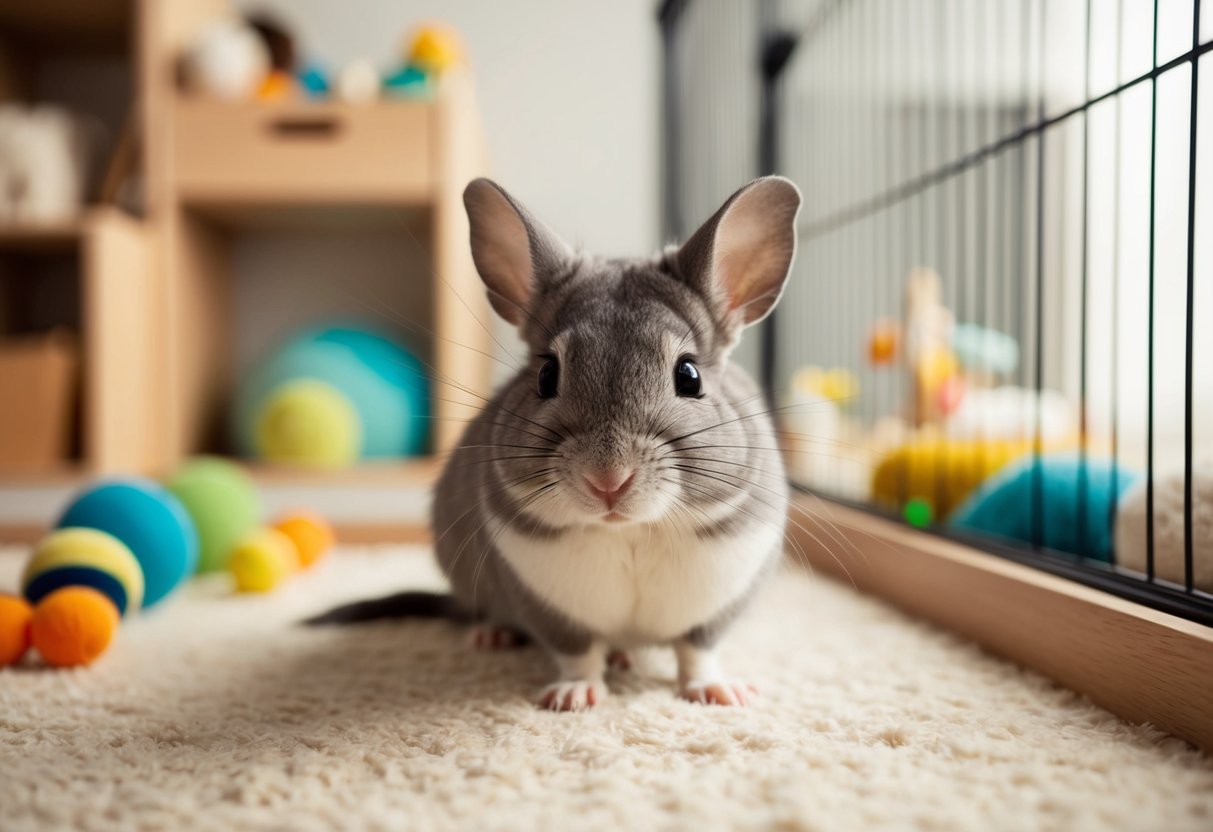
Chinchillas, known for their soft fur and playful personalities, thrive in a good environment. Their lifespan can vary based on factors like genetics, diet, and care. With a healthy lifestyle and regular veterinary check-ups, your chinchilla can enjoy a long, happy life by your side.
Caring for a chinchilla is a rewarding experience, but it’s important to be ready for the years ahead. You’ll want to provide them with the best habitat, food, and attention. This article will guide you through the things you need to know to help your chinchilla live a healthy and fulfilling life.
Understanding Chinchilla Lifespan
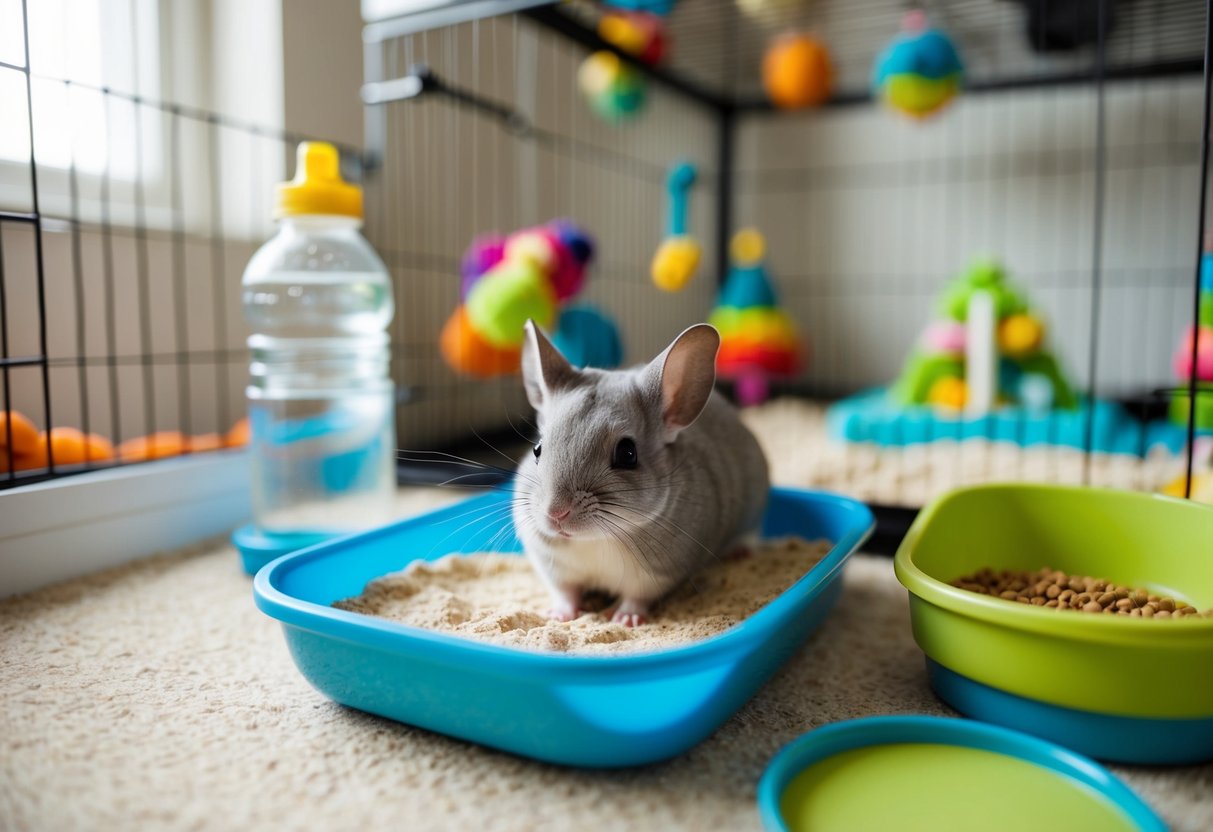
When caring for indoor chinchillas, it’s important to know what affects their lifespan. Several factors play a role, including genetics, environment, and diet. Understanding these can help you provide the best care and keep your pet healthy.
Factors Influencing Lifespan
Several factors affect how long your chinchilla will live. Genetics is essential; some breeds may be predisposed to certain health issues. Choosing a healthy pet from a reputable source can make a big difference.
Environment also matters. Chinchillas thrive in a cool, dry space, so avoid high humidity and extreme temperatures. Providing a spacious cage with hiding spots encourages exercise and reduces stress.
Another factor is diet. A balanced diet, rich in hay and pellets, keeps your chinchilla healthy. Treats like fruits or nuts should be given in moderation. Regular veterinary check-ups help spot any potential health problems early, which can extend their life.
Chinchilla Lifespan in Captivity vs. Wild
Chinchillas live longer in captivity compared to the wild. In the wild, their average lifespan is about 8 to 10 years due to predators and environmental stresses. In a safe home, chinchillas can live between 10 and 20 years with proper care.
In captivity, you often see chinchillas reaching 15 years or more. Some even live into their mid-20s. For example, a famous chinchilla named Radar lived to be nearly 30 years old!
Environment and care are crucial. A well-maintained cage, a balanced diet, and regular health checks can contribute significantly to a longer lifespan of chinchillas. Ensuring a good quality of life for your chinchilla leads to more years together.
Required Veterinary Care for Chinchillas
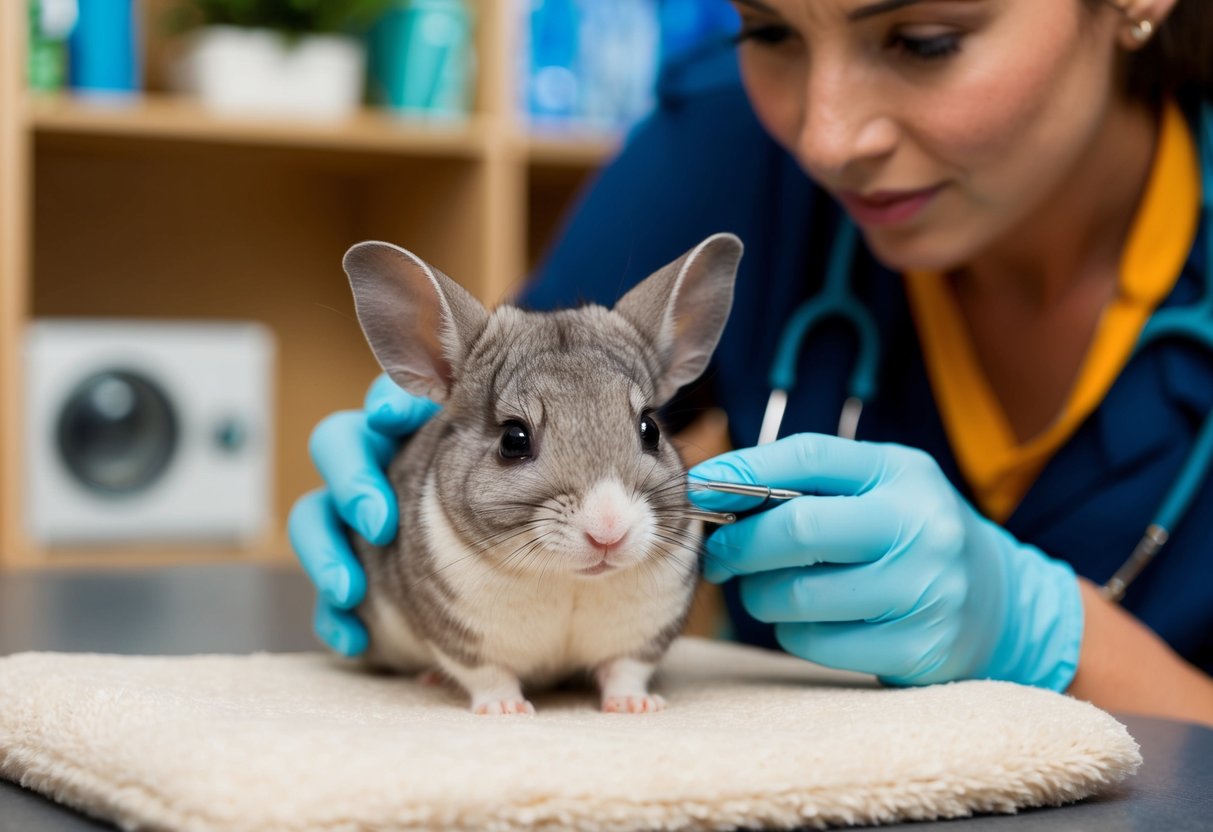
Taking care of your chinchilla includes making sure they receive appropriate veterinary care. Regular check-ups can help catch health problems early, ensuring your furry friend stays happy and healthy.
Importance of Regular Check-Ups
Regular veterinary check-ups are essential to monitor your chinchilla’s health. You should aim for at least one visit a year. These visits allow the vet to assess your pet for any signs of illness.
During a check-up, the veterinarian will examine your chinchilla’s teeth, fur, and overall condition. They can identify dental problems that chinchillas often face. Chinchillas can suffer from overgrown teeth, which can lead to serious health issues if not treated.
Don’t forget about respiratory health! Your vet can check for any signs of respiratory infections, which can happen if your pet is exposed to drafts or poor air quality. Regular visits can help prevent these issues before they become serious.
Common Health Issues
Chinchillas are generally healthy, but they can face specific health challenges. Knowing what to watch for helps you keep your pet safe.
Dental problems are common. Your chinchilla’s teeth should stay aligned and trimmed. If you see your pet not eating or dropping food, a dental checkup is necessary.
Respiratory infections can also affect chinchillas. Symptoms may include sneezing, coughing, or nasal discharge. If you notice these symptoms, schedule a vet visit right away.
Keeping up with vaccinations and preventive care, like parasite checks, is important too. By staying on top of veterinary care, you can help your chinchilla live a long, happy life.
Optimizing Chinchilla Care

To ensure your pet chinchilla lives a long and healthy life, focus on creating a suitable living environment, providing a balanced diet, and encouraging exercise. Each aspect plays a vital role in the overall well-being and longevity of your chinchilla.
Creating a Conducive Living Environment
Your chinchilla’s habitat is essential for their health. Aim for a multi-level cage with ample space, providing room to run and climb. The cage should be made of sturdy materials, avoiding plastic as it can be chewed.
Keep the humidity levels low, ideally between 30-50%. High humidity can lead to health issues. Use aspen shavings or paper bedding to maintain cleanliness and comfort.
Make sure the environment is quiet and away from direct sunlight. Chinchillas are nocturnal and need a calm space for rest during the day.
Dietary Needs for Optimal Health
A balanced diet is key to your chinchilla’s health. High-quality hay, like timothy or orchard grass, should make up the majority of their diet. Hay aids digestion and dental health.
Introduce a small amount of pellets specially designed for chinchillas. Choose those high in fiber and low in fat. Limit treats, like fruits, to special occasions to avoid obesity.
Make sure your pet has constant access to fresh water. Check the water bottle regularly to ensure it’s clean and functioning properly.
Exercise and Social Interaction
Provide your chinchilla with regular opportunities for exercise. Allow them to play in a safe, enclosed area outside of the cage. Use tunnels and chew toys to stimulate their natural instincts.
Social interaction is just as important. Spend time each day handling your chinchilla to build trust. Engage them with toys or activities that encourage exploration and mental stimulation.
Consider adopting a pair of chinchillas, but ensure you introduce them properly. Social chinchillas can help reduce stress and promote better health. Your engagement can significantly influence their happiness and well-being.


