
Birds live for wildly different lengths of time, depending on their species. Some tiny birds might only stick around a few years, but others—especially bigger ones—can make it several decades.
Most birds clock in somewhere between 4 and 100 years, with a lot of them falling in the 10 to 50-year range out in the wild.
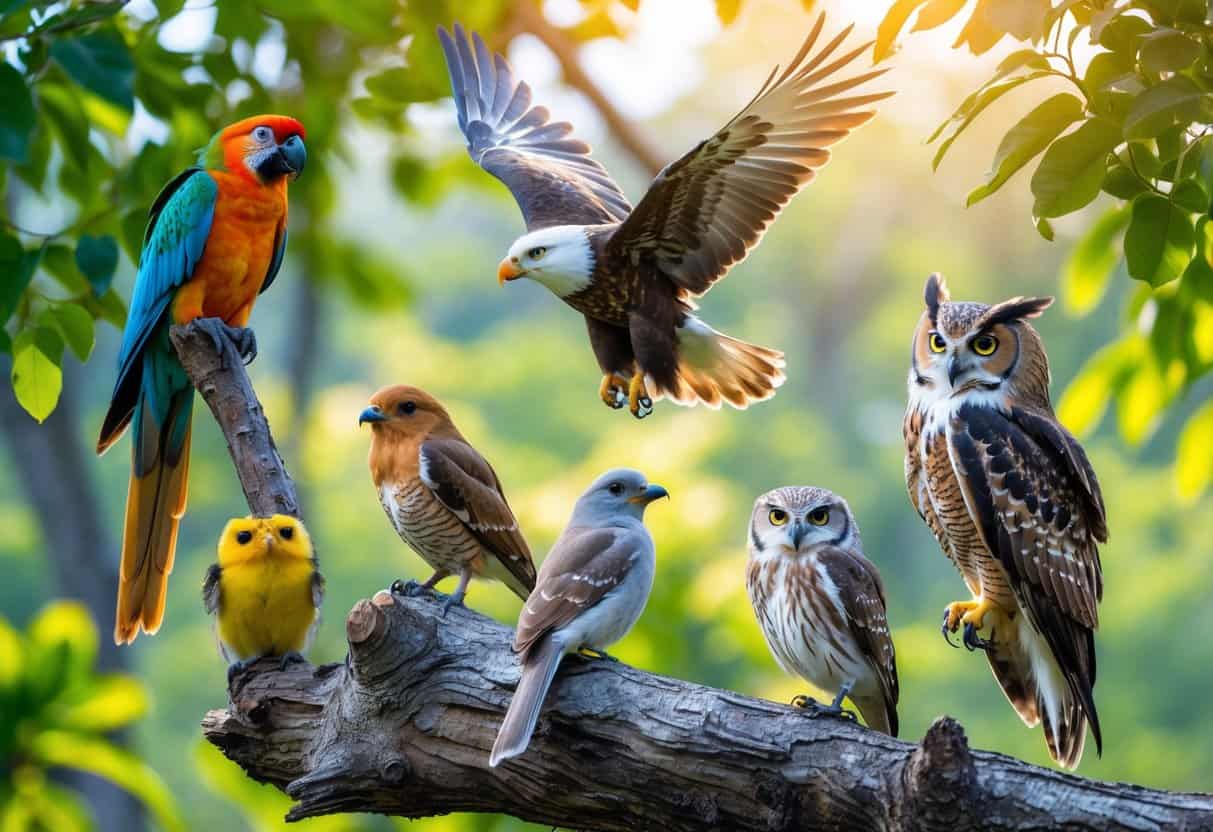
Backyard birds might surprise you with how long they actually live. For instance, hummingbirds—so small and quick—often only live a few years. On the other hand, parrots like cockatoos or macaws can easily outlive most pets, especially with good care in captivity.
Once you start noticing these differences, it’s hard not to appreciate how unique each bird really is.
Ever wondered why some birds seem ancient while others are gone in a blink? Or how their lifespans stack up to ours?
Knowing the average lifespan of different birds can help you take better care of your own pet birds or just enjoy birdwatching with a bit more understanding.
If you want to dig deeper, here’s a bird lifespan guide.
How Long Do Birds Live Across Species?
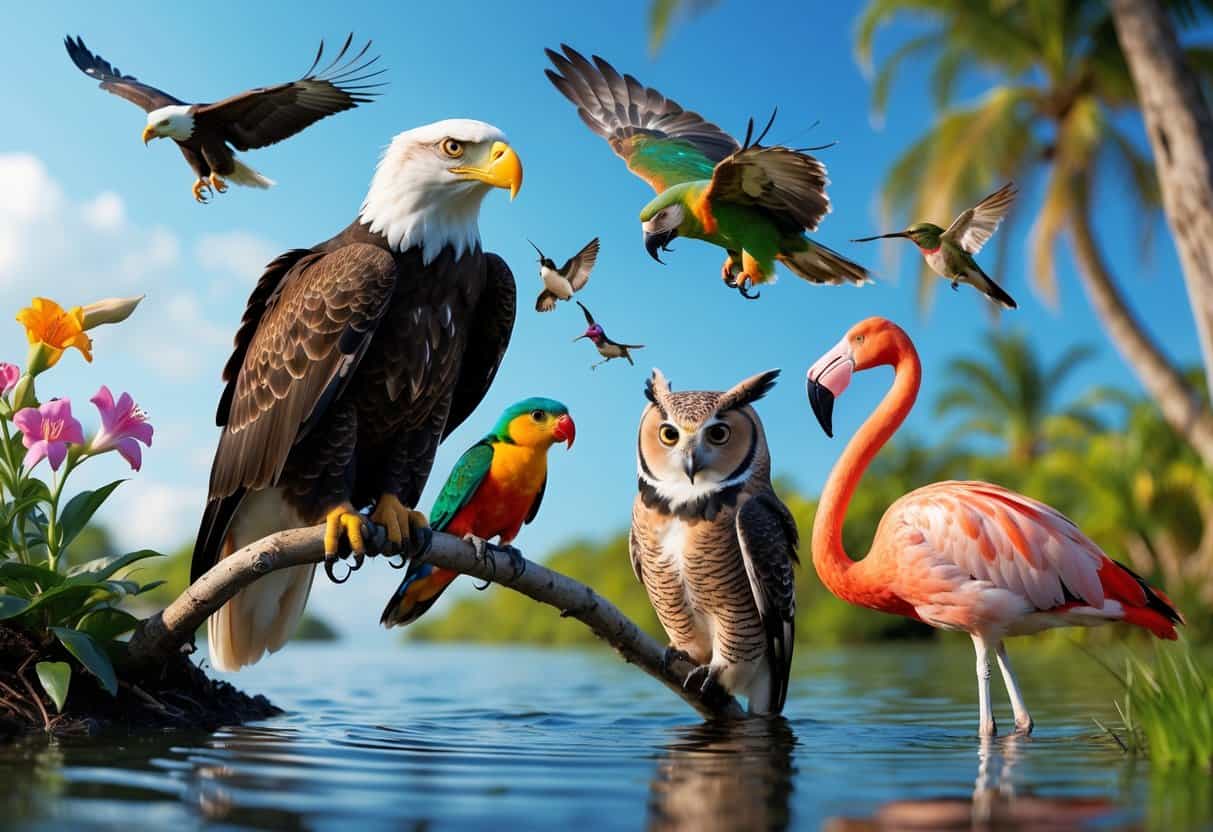
Bird lifespans jump all over the place, depending on species, their environment, and how people care for them.
Some birds barely make it a few years, but others hang around for decades.
Things like size and lifestyle can really tip the scales when it comes to how long a bird lives.
Wild Bird Lifespans
Wild birds usually don’t live as long because they face predators, food shortages, and tough weather.
Small songbirds, for example, often make it just 2 to 5 years.
Birds of prey, like hawks or eagles, can sometimes reach 20 to 30 years or even more.
Here’s a rough breakdown of wild bird lifespans:
- Small birds (e.g., sparrows, finches): 2-5 years
- Medium birds (e.g., ducks, owls): 10-25 years
- Large birds (e.g., eagles, albatrosses): 30-70+ years
Large birds like the Laysan albatross can live more than 60 years out in the wild.
But honestly, a lot of young birds don’t even make it through their first year, so these numbers mostly reflect the survivors.
Captivity Versus Wild
Birds kept in captivity usually live longer than their wild cousins.
People give them regular meals, medical care, and keep them safe from predators.
Take parakeets, for example—a wild one might last 5-10 years, but a pet parakeet can sometimes reach 15-20 years.
Captivity removes a lot of the big threats birds face.
Still, not every bird adapts well to living in a cage or aviary, and their natural biology keeps setting limits.
Record-Holding Long-Lived Birds
Some birds have set pretty wild records for longevity.
“Cookie,” a Major Mitchell’s Cockatoo, made it to 83 years in captivity.
The Laysan albatross is another legend, with many individuals living 60 years or more in the wild.
Here are a few more impressive examples:
| Bird Species | Lifespan (Years) |
|---|---|
| Laysan Albatross | 60-70+ in wild |
| Bald Eagle | Up to 38 in wild |
| American Flamingo | Around 49 |
| Common Raven | Up to 69 |
These long-lived birds usually grow up slowly and don’t have many chicks.
Their slow pace of life helps them last longer, though they really need stable places to call home.
Key Factors Affecting Bird Lifespan
So, what shapes how long a bird lives?
A lot, honestly.
Body size, daily risks, and even how they raise their young all play a part.
Birds have to balance staying safe, finding food, and not burning out too fast.
Size and Metabolism Impact
A bird’s size really matters for its lifespan.
Bigger birds like eagles or parrots generally live longer because their bodies run at a slower pace.
This slower metabolism puts less strain on their cells as years go by.
Smaller birds—think sparrows or finches—burn through energy quickly.
Their fast heartbeat and breathing make them age faster.
It’s a trade-off: lots of energy, but not as many years.
Plus, being big usually means fewer predators.
That extra size can really help keep a bird safe and add years to its life.
Predation and Food Scarcity
Staying away from predators is a huge factor for survival.
Birds living near lots of predators—hawks, cats, you name it—often don’t last as long.
Young birds are especially at risk since they’re easy targets.
Food shortages are another big problem.
When food gets scarce, birds have less energy to fight off sickness or stay strong.
If they can’t find enough during breeding season, their chicks might not survive.
Birds with safe homes and plenty of food usually live longer.
Escaping danger and having a steady food supply really boost their chances.
Reproductive Habits and Longevity
How often a bird has chicks affects its lifespan.
Birds that raise tons of chicks each year usually don’t live as long.
They burn through energy on raising young instead of keeping themselves healthy.
On the flip side, birds that have fewer chicks but live longer tend to invest more in each baby.
That strategy pays off for species like albatrosses, who stick around for decades.
A bird’s breeding habits and how much care it gives its chicks say a lot about how long it’s likely to live.
Helping Birds Live Longer
You can help birds live longer in your neighborhood by creating safe spaces for them.
Try planting native trees and shrubs. These plants give birds a place to hide from predators.
Set out clean water and some food, especially when seasons get rough. Birds really need that extra support sometimes.
Skip the chemicals, and don’t leave trash near places where birds eat.
If you’re into birdwatching, you might spot more lively, healthy birds in areas that feel safer and cleaner.
Getting involved in local conservation projects also lowers risks like habitat loss.
Even small changes in your yard or street can mean a lot for your feathered friends.
Curious about what else affects bird lifespans? Check out how body size and environment play a role in bird longevity.


