
Cocker spaniels are beloved pets known for their friendly nature and loyalty. If you’re a proud owner or considering bringing one into your home, you might wonder about their potty habits.
On average, a healthy adult Cocker spaniel can hold its bladder for about 6 to 8 hours. Knowing this can help you plan your schedule and avoid any indoor accidents.

Puppies and older dogs have different needs. Young Cocker spaniels can typically hold their bladder for about one hour for each month of their age, while senior dogs may struggle more with control.
Understanding how long your dog can hold it helps ensure their comfort and health.
This article will dive deeper into factors affecting bladder control, tips for managing your dog’s needs, and how to set up a routine that works for both you and your Cocker spaniel.
Understanding Cocker Spaniel Bladder Control
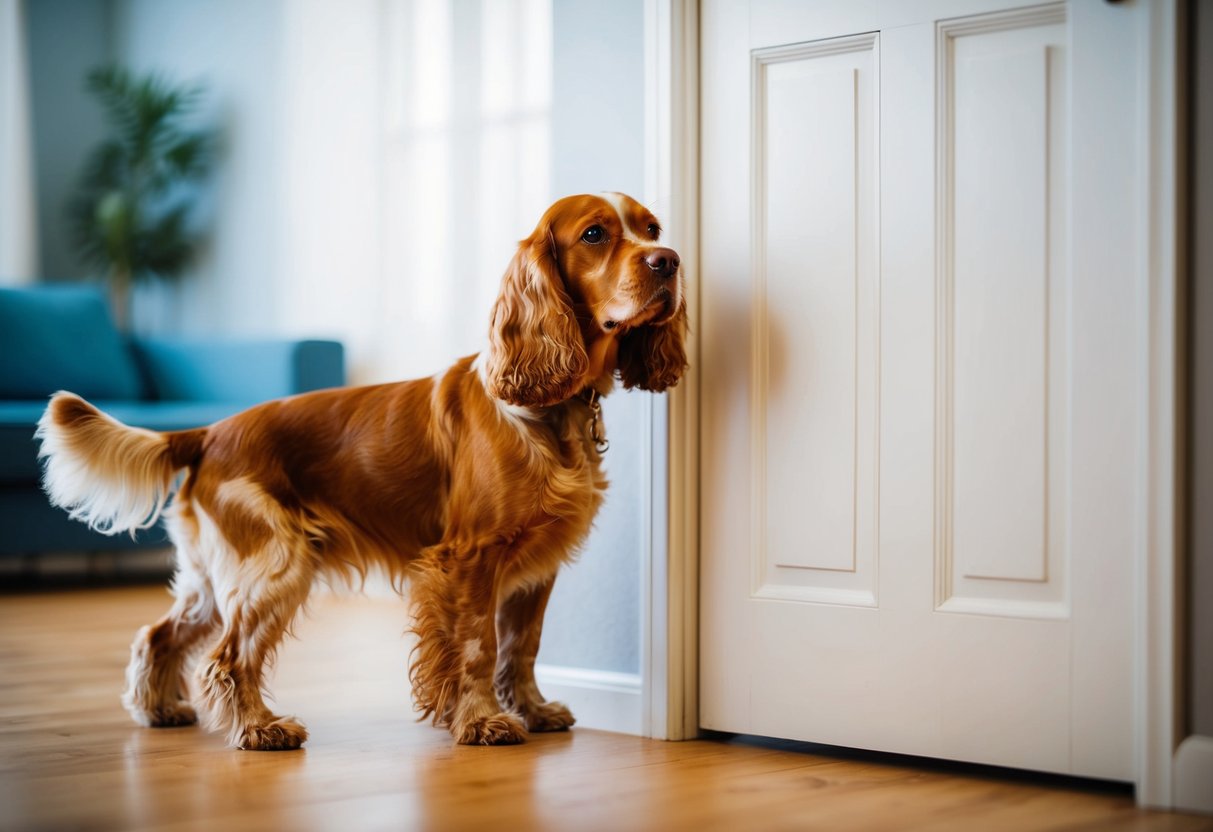
Cocker spaniels are generally known for having good bladder control, but various factors play a significant role in how long they can hold it. Understanding these factors can help you better care for your furry friend.
Factors Affecting Bladder Control
Bladder control in your Cocker spaniel can be influenced by several key factors.
-
Age: Puppies may require frequent bathroom breaks and can only hold their bladder for short periods. Typically, they can hold it for about one hour for every month of age.
-
Health: Health issues like urinary tract infections or bladder stones can impact your dog’s ability to control their bladder. Maintaining regular vet check-ups is important.
-
Hydration: The amount of water your dog drinks can affect how often they need to go outside. More fluids usually mean more frequent bathroom breaks.
-
Training: Proper training can improve your dog’s ability to hold it longer. Consistent potty training routines help set expectations.
How Age Influences Bladder Capacity
As your Cocker spaniel ages, their bladder capacity changes.
-
Puppies: Young Cocker spaniels have little control and should be taken out frequently. Expect them to need to relieve themselves every 2-3 hours.
-
Adults: Once they reach adulthood, they can generally hold their bladder for about 6-10 hours during the day. Regular exercise and bathroom breaks help them manage longer periods without accidents.
-
Senior Dogs: Older Cocker spaniels may struggle with bladder control due to weakened muscles or health issues. They may need more frequent trips outside and might not be able to hold it as long as they used to.
Training for Optimal Bladder Management

Proper training helps your Cocker Spaniel manage their bladder effectively. You can focus on house training, crate training benefits, and establishing a potty break routine.
House Training Basics
House training is essential for teaching your Cocker Spaniel where it’s appropriate to relieve themselves.
Start by taking your puppy outside frequently—at least every two hours. This helps them understand when and where they can go.
Use positive reinforcement. When your dog goes potty outside, praise them immediately. Treats can also work wonders as rewards, reinforcing good behavior.
Be patient and consistent. Accidents will happen, but scolding your dog can cause fear and confusion. Instead, clean up thoroughly to remove any lingering smells that may entice them to go in the same spot again.
Crate Training Benefits
Crate training offers many benefits for bladder training.
Dogs naturally avoid soiling their sleeping area. A properly sized crate can help your Cocker Spaniel learn to hold their pee longer.
Start by introducing the crate as a safe and comfortable space. Make it inviting with soft bedding and toys.
Gradually increase the time they spend inside. For puppies, limit crate time to about 3-4 hours.
Always take your dog outside immediately after they exit the crate to reinforce bathroom behavior. This method can significantly help with potty training while giving your puppy a sense of security.
Creating a Potty Break Routine
A consistent potty break routine is vital for effective training.
Establish specific times for bathroom breaks, such as after meals, playtime, and naps. Dogs thrive on routine and will learn when to expect potty time.
Take your Cocker Spaniel outside to the same spot each time. This allows them to associate that area with relieving themselves. Use a cue word, such as “go potty,” to create a verbal association.
Be patient. It may take time for your dog to establish regular habits. If they don’t go immediately, stay outside for a while. Consistency is key in helping your dog manage their bladder successfully.
Health Considerations and Issues
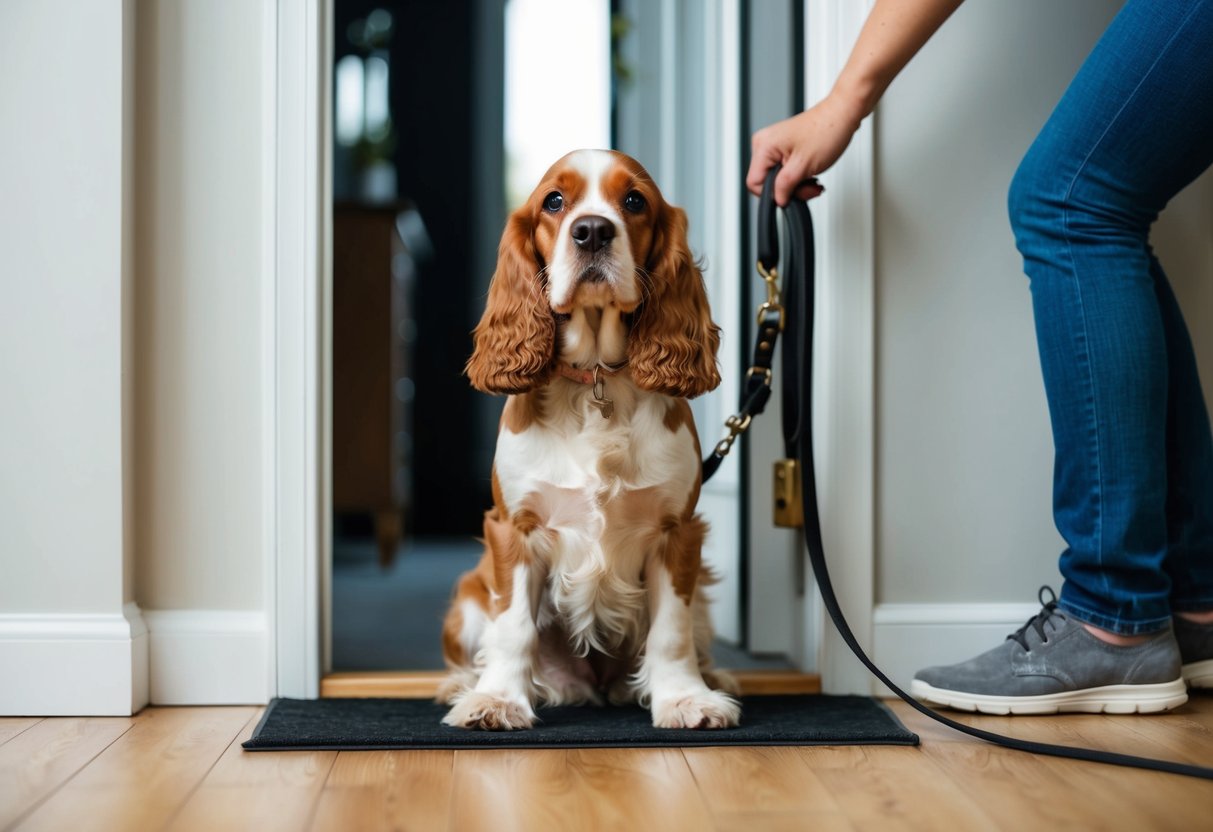
It’s important to be aware of potential health issues that can affect your Cocker Spaniel’s bladder control. Understanding common urinary tract problems and recognizing signs of incontinence can help you take proactive steps to keep your dog healthy.
Common Urinary Tract Issues
Cocker Spaniels can face several urinary tract issues that may affect their ability to hold their bladder.
Urinary tract infections (UTIs) are common and can cause pain and frequent urination. Bladder infections and bladder stones can also lead to discomfort and bathroom accidents.
Moreover, these infections may cause your dog to strain while urinating, leading to more pressure on their bladder.
Kidney disease can cause increased urination and thirst, impacting their bladder control. If you notice changes in your dog’s bathroom habits, it is crucial to consult your veterinarian for an accurate diagnosis and treatment plan.
Signs of Incontinence and Larger Health Concerns
Incontinence in Cocker Spaniels can manifest as unexpected urination in the house. This could be a sign of urinary tract infections or bladder issues.
You should look for signs like leaking urine when your dog is asleep or straining.
Other health concerns, such as diabetes or spinal problems, can also lead to incontinence. Regular vet check-ups can help catch these issues early. If you suspect your dog has bladder issues or is not holding it as usual, a veterinary visit is necessary to address any underlying medical issues efficiently.
Lifestyle and Care for Your Cocker Spaniel
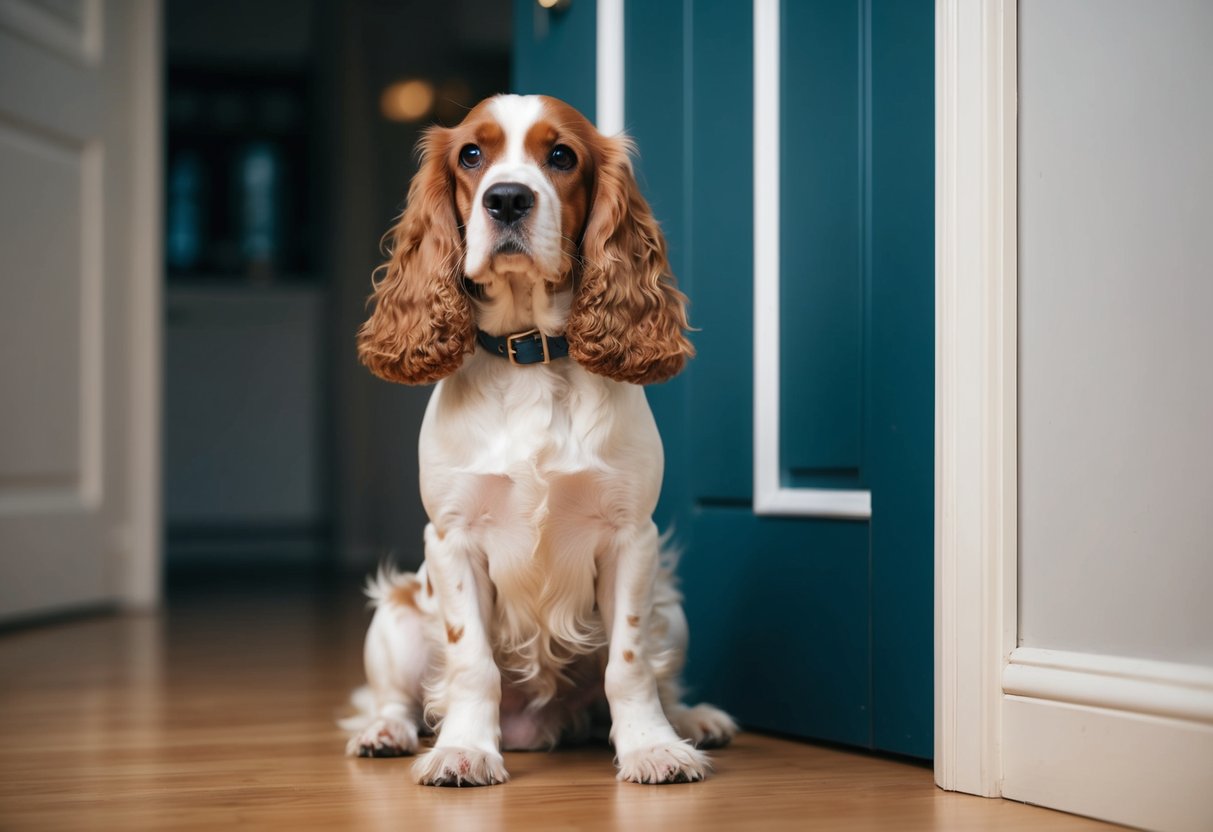
Cocker Spaniels are active, social dogs that thrive on attention and proper care. Understanding their exercise needs and managing their emotional health will help you provide a happy life for your furry friend.
Exercise and Activity Needs
Cocker Spaniels are medium-sized dogs with a lot of energy. They need at least 1 hour of exercise each day. This can include walks, playtime in the yard, or trips to the dog park.
Regular activity helps maintain their weight and keeps them mentally stimulated. Activities like fetch and agility training can be fun for both of you.
Daily exercise reduces boredom, which can lead to unwanted behaviors.
When exercising, be mindful of their age and health. Older dogs may require lighter activity. Always ensure fresh water is available after play.
Handling Separation Anxiety
Cocker Spaniels are known for their friendly nature and can become very attached to you. Because of this, they might experience separation anxiety when you leave.
To help your dog cope, start by leaving them alone for short periods. Gradually increase the time apart so they can adjust. Providing them with toys and treats can keep them occupied.
Creating a cozy space with their favorite blanket or bed can help them feel secure. You can also consider playing soft music when you leave to soothe their anxiety.
Employing the Help of a Dog Walker
If you have a busy schedule, hiring a dog walker can ensure your Cocker Spaniel gets enough exercise. A dog walker can provide fresh perspectives on walks and play, which is beneficial for their well-being.
Look for someone experienced with medium-sized, energetic breeds. A dog walker can take your dog out for a 30 to 60-minute walk. This regular break can help reduce stress and keep your dog happy.
Before hiring, schedule a meet-and-greet to see how they interact with your dog. Trust is key to ensuring a positive experience for both you and your Cocker Spaniel.


