
After a bee sting, you might catch yourself wondering how long you really need to keep an eye out for problems.
Most serious allergic reactions show up within minutes to a few hours. If you don’t notice symptoms in that window, you’re probably in the clear.
Mild swelling or pain can stick around for a few days, but honestly, these aren’t usually much to worry about.

Pay attention to your body’s immediate response. If you suddenly have trouble breathing, notice swelling spreading beyond the sting area, or start feeling dizzy, don’t wait—get medical help right away.
It helps to know when symptoms might show up so you can stay calm and know what to do.
Even without a big reaction, some swelling or itching can linger.
It’s helpful to figure out what’s normal healing and what’s not, so you can handle a bee sting with a little more confidence.
For more details, you can check out how long after a bee sting you should be worried.
When Are You Safe After a Bee Sting?
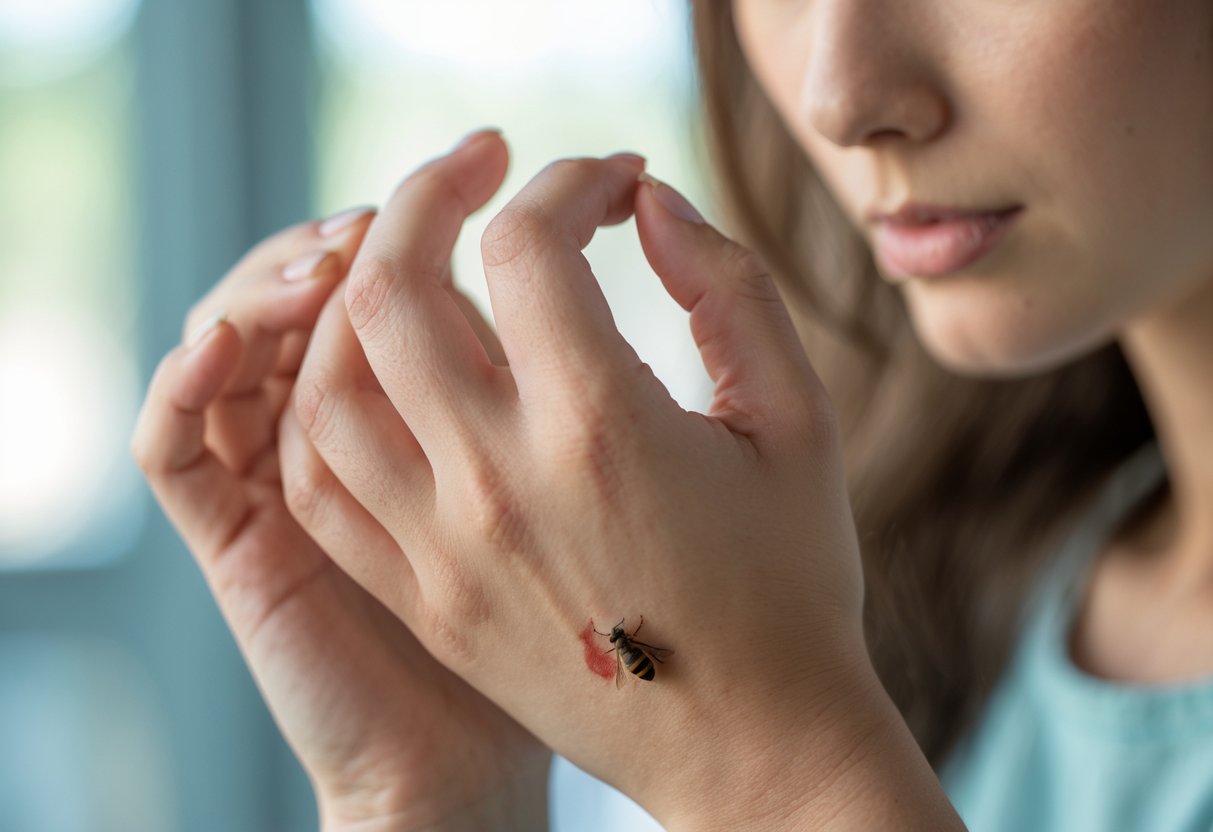
Your safety after a bee sting really comes down to how your body reacts over time.
Most reactions happen pretty fast, though sometimes things can take a little longer.
It’s good to know when you should watch closely and when it’s okay to relax.
Timeline of Typical Reactions
Most people feel pain, redness, or swelling within minutes of being stung. The skin around the sting usually swells and turns red, peaking in about 24 to 48 hours.
These reactions are usually mild and fade away on their own or with simple things like ice or anti-itch cream.
Mild discomfort can stick around for a few days, but it should get better bit by bit.
If you notice spreading redness, more swelling, or pain that gets worse, you might be dealing with an infection or a stronger reaction.
Otherwise, your body’s probably doing its job handling the sting.
High-Risk Periods for Severe Reactions
The biggest risk for a severe allergic reaction—like anaphylaxis—hits in the first hour after you get stung.
Symptoms such as trouble breathing, dizziness, swelling of your face or throat, or a racing heartbeat usually pop up within 15 to 60 minutes.
If any of that happens, don’t mess around—get emergency help right away.
Even if you feel okay at first, keep an eye on yourself for the first hour.
After that, the risk of a life-threatening reaction drops a lot, but it’s smart to keep watching for new or worse symptoms for a few hours.
Delayed Allergic Reactions
Some folks notice allergic reactions hours or even days after a sting. These delayed reactions might look like swelling, rashes, or joint pain—usually less dangerous than the immediate ones.
If swelling sticks around for more than 48 hours or you get new symptoms after a day or two, talk to a doctor.
They can suggest treatments or tests to rule out complications.
Delayed reactions aren’t usually life-threatening, but they still deserve some attention.
For more on timing and symptoms, check out the info on bee sting allergic reaction time frames.
Factors Affecting Your Safety Window

Several things influence how safe you are after a bee sting. Your body’s reaction, the amount of venom, where you got stung, and how quickly you get help all play a part.
These factors affect how soon you might feel symptoms and when you can relax.
Individual Allergy Sensitivity
Your sensitivity to bee venom really shapes your reaction time. If you’re highly allergic, symptoms like swelling, hives, or trouble breathing can show up in just minutes.
Sometimes a severe reaction called anaphylaxis happens fast and needs emergency treatment with epinephrine.
If you’re not allergic, you’ll probably just feel pain, redness, or mild swelling for a few days.
But if you aren’t sure about your allergy status, symptoms could start anywhere from minutes to a few hours after the sting.
Stay alert for signs like itching, throat tightness, or dizziness. If you notice those, get to the ER fast.
Amount of Bee Venom and Number of Stings
The more venom you get, the higher your risk for a bad reaction.
One sting usually brings on mild symptoms, but several stings can deliver a lot of venom at once.
That can trigger stronger reactions and give you less time to react.
Bee venom contains chemicals that set off your immune system, including histamine.
High amounts can cause swelling and pain to develop faster and stick around longer.
If multiple bees sting you, seek emergency care—even if you feel okay at first. Too much venom can overwhelm your body before you know it.
Site of the Bee Sting
Where you get stung matters more than you might think.
Stings on sensitive spots like your neck, face, or inside your mouth can cause trouble fast.
Swelling in those areas can block your airway.
Stings on your hands or arms usually just cause local pain and swelling for a few days.
But if you get stung near your throat or tongue, don’t wait—seek help right away if you notice swelling spreading or trouble swallowing.
Effectiveness and Timing of Emergency Treatment
How fast you get treatment really changes your safety window. If you use epinephrine right when severe allergic symptoms pop up, you can stop anaphylaxis from getting worse.
Antihistamines and cold compresses help with swelling and itching, but honestly, they won’t fix life-threatening reactions. That’s just the reality.
After you use an emergency dose of epinephrine, you still need to head to the emergency room. The doctors will want to keep an eye on you, since symptoms sometimes come back hours after the sting.
If you wait too long for treatment, your risk of serious complications goes up, and you’ll need to stay on alert even longer. Acting fast really does shrink the danger period.


