
Dogs show their gratitude in unique ways that warm the heart and strengthen the bond you share. Your dog may express appreciation through tail wagging, playful behavior, or by cuddling up next to you. These actions convey their thankfulness and love for you in a language only canine companions can truly understand.
You might wonder if dogs even feel gratitude. Many experts agree that dogs do experience emotions similar to gratitude, demonstrating their appreciation through various behaviors. When your dog greets you with excitement after you come home or snuggles close after a meal, they are silently saying “thank you” in their own way.
Learning how to recognize and reciprocate your dog’s expressions of gratitude can deepen your connection. As you explore the ways dogs show their appreciation, you’ll discover even more about their unique language and how your bond can grow stronger with each moment spent together.
Understanding Canine Communication
Dogs communicate mainly through body language and a few vocalizations. By paying attention to these signals, you can learn how your dog expresses gratitude and affection.
The Role of Body Language
Body language is essential for dogs. It plays a huge role in how they express feelings and communicate with you.
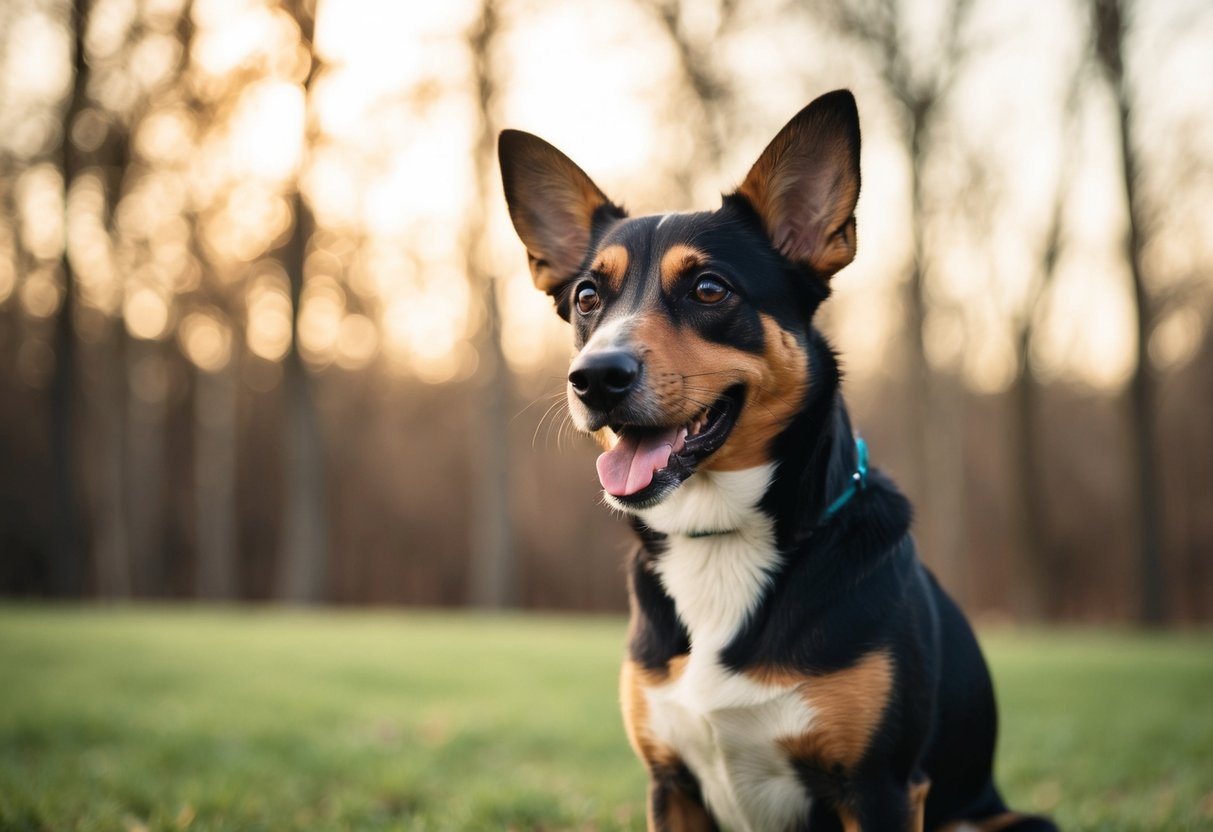
One of the most common ways dogs show happiness is through tail wagging. A wagging tail can indicate excitement or joy. The position and speed of the wag can help you understand more about their mood.
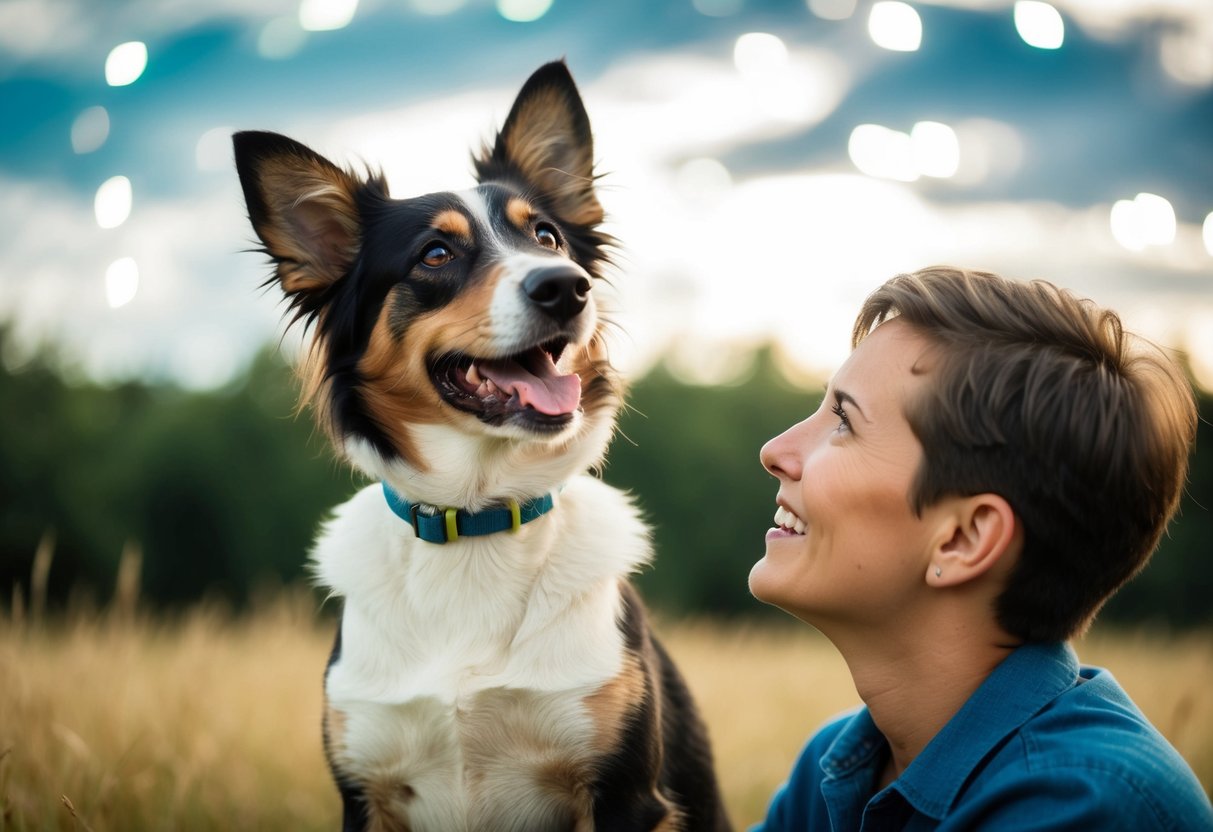
Another important sign is eye contact. When your dog looks at you directly, it can show trust and affection. If your dog leans towards you or nudges you gently, they are likely seeking your attention or affection.
Physical closeness is also key. Dogs often cuddle or lean against you, which shows they feel safe and loved.
Vocalizations and Physical Actions
Vocalizations can tell you a lot about how your dog feels. Dogs may bark excitedly or let out a soft sigh when they are relaxed. An excited bark can signal gratitude and joy.
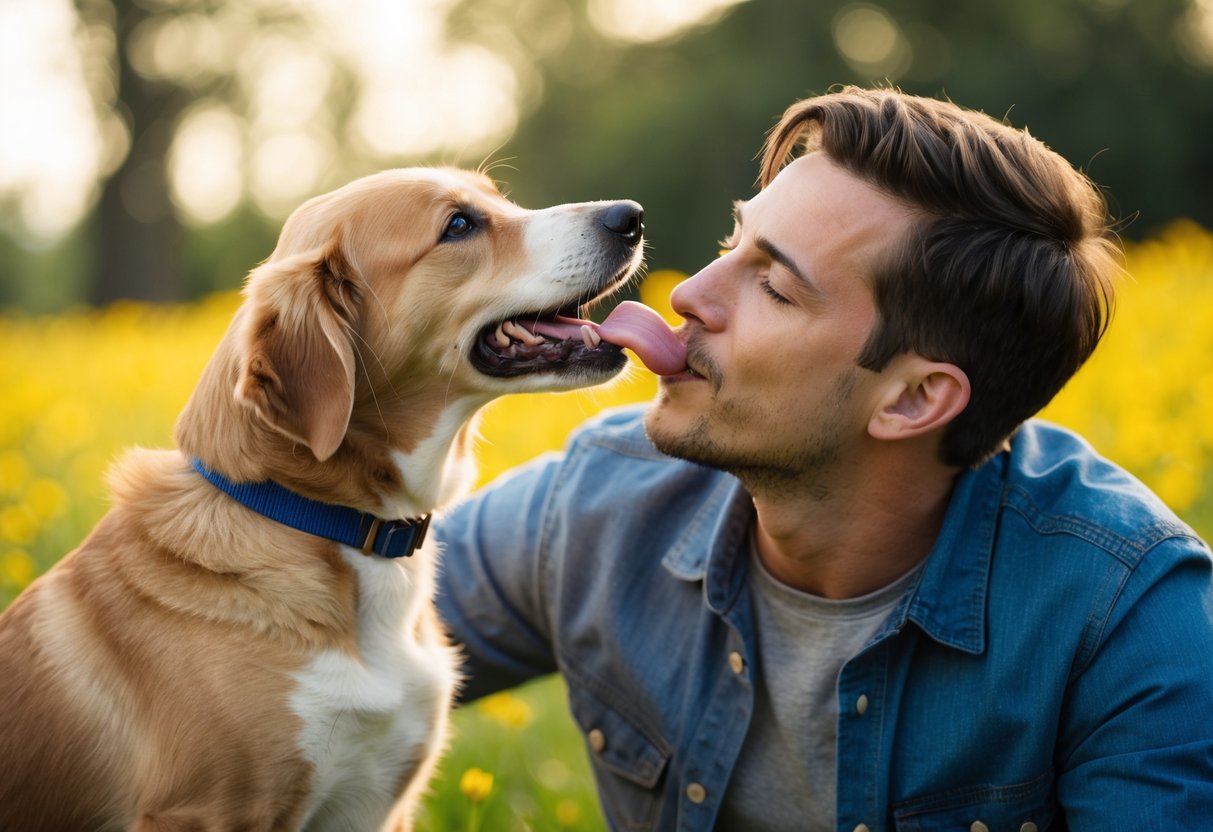
Licking is another behavior to watch. Dogs often lick their owners to show affection or to get attention. It’s their way of saying “thank you” for love and care.
Each of these actions helps you understand your dog better. By being aware of these signals, you can strengthen your bond and respond to their needs more effectively.
Interpreting Dog Behaviors as Gratitude
Dogs show their appreciation in various ways. By understanding these behaviors, you can strengthen the bond between you and your furry friend.
Following and Snuggling
When your dog follows you around, it’s a clear sign of trust. They want to be close to you because they feel safe. This behavior often reflects their gratitude for your care and companionship.
Snuggling is another way dogs say thank you. When your dog curls up next to you, they are not just seeking warmth. This closeness shows they enjoy your presence and appreciate the comfort you provide. Sharing quiet moments strengthens your connection and deepens your bond.
If your dog nudges you or leans against you, they might be expressing their affection. These little gestures are their way of saying, “I love being with you!”
Playtime and Obedience
Playtime is an important part of your dog’s life. When they bring you their favorite toy, it can be a thank you for the love and attention you give them. Engaging in playful activities also enhances your relationship.
Obedience is another way your dog shows gratitude. When they respond to your commands, it reflects their trust in you. They know that following your lead makes both of you happy.
Training sessions can also be a bonding experience. Your dog learns to please you, which reinforces their feelings of appreciation. Remember, every wag of their tail during playtime or obedience training is their special way of saying thank you!
Demonstrating Appreciation to Your Dog
Showing appreciation to your dog can strengthen your bond and create a happier, healthier relationship. This involves spending quality time together and using positive training methods to reinforce good behavior.
Quality Time and Physical Affection
Spending quality time with your dog is a great way to show gratitude. Engage in activities that your furry friend enjoys, such as playing fetch or going for a walk.
Physical affection is also vital. Petting, nuzzling, or simply sitting close will help your dog feel loved and secure.
You might notice your dog showing affection in return—like a playful bow or following you around. These behaviors indicate trust and strengthen your bond. Remember to share moments that your dog enjoys, creating a joyful atmosphere for both of you.
Consistent Training and Positive Reinforcement
Training should be a fun way to communicate with your dog and show you care. Use positive reinforcement to encourage good behavior. This means rewarding your dog with treats, praise, or playtime when they obey commands.
For example, when your dog sits or stays on command, celebrate their success. Your praise and rewards build their trust in you.
Training helps your dog feel like a valuable part of your life. It also allows you to connect on a deeper level.
Regular practice leads to better understanding and a stronger bond, making your time together even more enjoyable.


