
Dealing with a Cocker Spaniel that pees in the house can be frustrating, but you can solve this issue with the right approach. The key is patience and consistency in house training. Your furry friend may be struggling with house training because of separation anxiety, medical issues, or just a need for more practice.
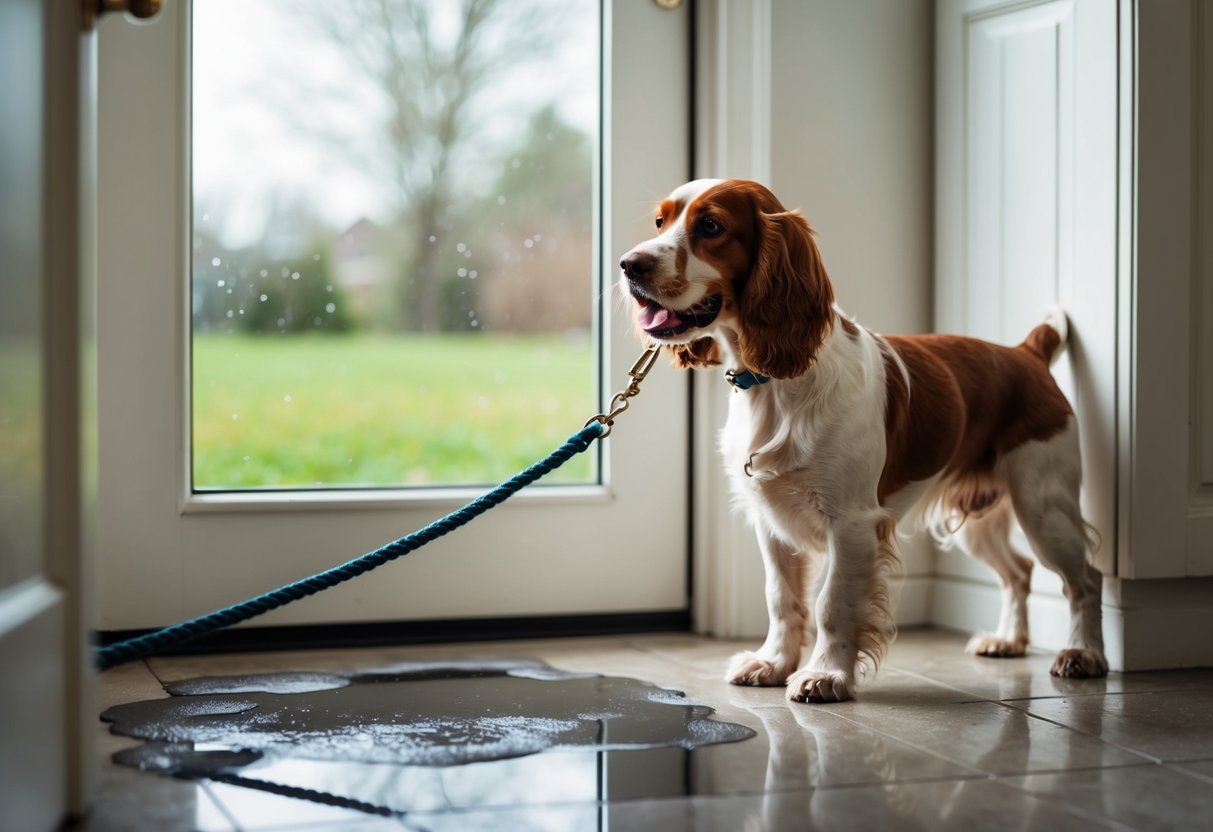
Start by establishing a routine for potty breaks. Take your Cocker Spaniel outside frequently, especially after meals and playtime. Reward them immediately when they do their business outside. This positive reinforcement will help them learn what you expect from them.
If accidents happen, clean up without scolding your dog. Instead, focus on setting them up for success through regular bathroom breaks and a calm environment. With time and dedication, your Cocker Spaniel will learn the right habits and feel more comfortable at home.
Understanding the Causes of Indoor Peeing

Indoor peeing in your Cocker Spaniel can stem from various causes. Recognizing these reasons helps you address the problem effectively. The two main categories are medical issues and behavioral reasons.
Common Medical Issues
Several medical issues can lead to indoor peeing. A urinary tract infection (UTI) is common in dogs. This condition causes frequent urination and discomfort. If you notice your dog trying to pee often or straining, a UTI might be the cause.
Kidney disease is another serious condition that affects a dog’s ability to hold urine. Increased thirst and more frequent trips outside may be signs.
Diabetes also leads to increased urination. If your dog drinks more water than usual, it could indicate this problem.
Urinary incontinence is common in older dogs, especially females. This condition results in leaks, even when the dog is awake.
If you suspect any medical issues, consult your veterinarian.
Behavioral Reasons for Peeing Inside
Behavioral reasons can also cause your Cocker Spaniel to pee indoors. Submissive urination often happens when dogs feel threatened. Puppies or newer dogs may do this around more dominant dogs or people.
Excitement urination is typical in younger dogs. This behavior occurs when they become very happy or stimulated, causing them to lose control.
Marking behavior is another issue, especially in unneutered males. This involves urinating to claim territory.
Finally, separation anxiety can also lead to indoor accidents. When left alone, some dogs may become anxious and urinate as a response.
Identifying these behaviors can help you intervene effectively.
Establishing a Solid Routine
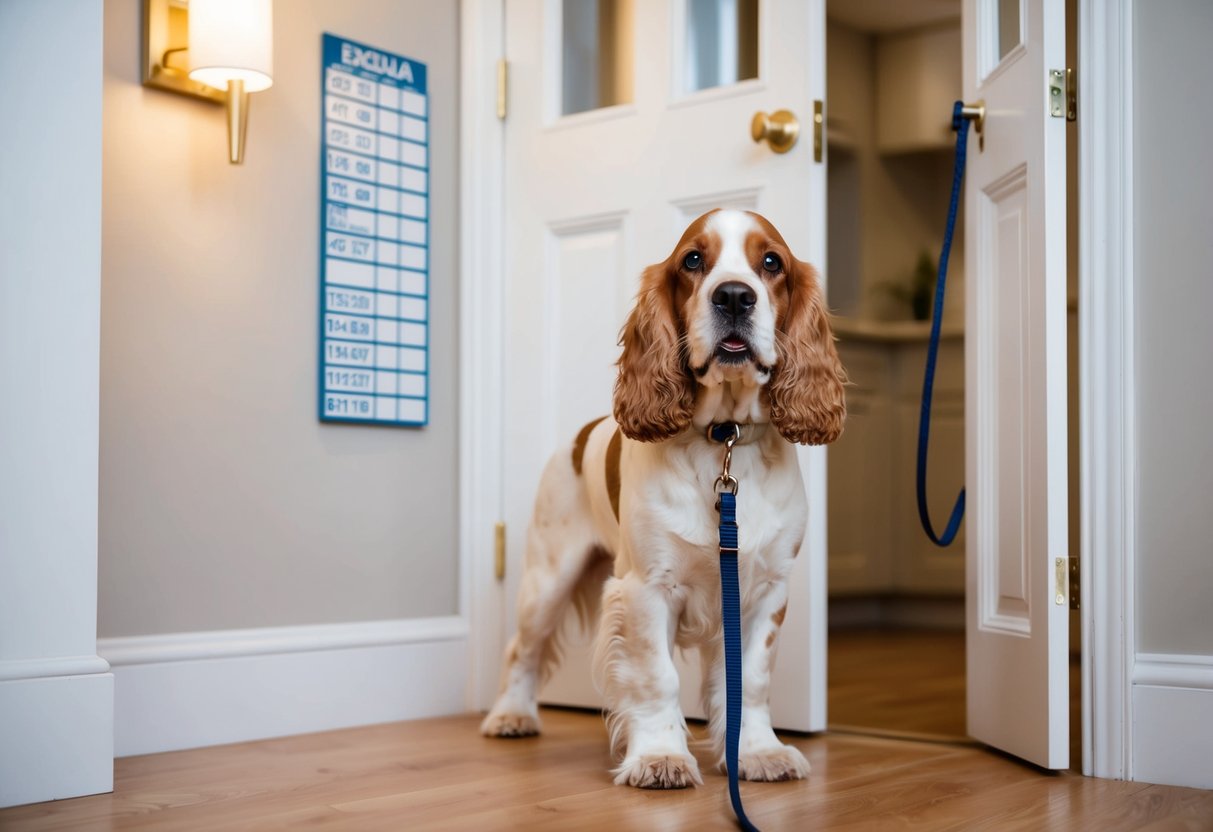
Creating a solid routine can greatly help manage your Cocker Spaniel’s bathroom habits. By focusing on scheduling potty breaks and managing feeding and water intake, you can encourage consistent behaviors and reduce accidents in the house.
Scheduling Potty Breaks
Setting regular potty breaks is essential for your Cocker Spaniel. Take your dog outside first thing in the morning, after meals, and before bedtime. Aim for potty breaks every 1-2 hours during the day, especially for puppies or younger dogs.
Be attentive to their signals. If you notice your Spaniel sniffing around or circling, take them out immediately.
Consistency is key; it helps your dog understand when it’s time to go. Praise your Spaniel when they eliminate outside, reinforcing this good behavior.
This routine will help establish a clear pattern. As your dog gets used to the schedule, they’ll learn when to expect potty breaks, making accidents less likely.
Feedings and Water Intake Management
Manage your Cocker Spaniel’s feeding and drinking schedule to support a better routine. Set fixed times for meals, typically two to three times a day, and avoid free feeding. This gives you a better idea of when your dog will need to go out.
Limit water intake in the evening. While it’s important for your dog to stay hydrated, reducing water access after dinner can help minimize nighttime accidents.
Monitor their drinking habits for patterns. If your dog drinks excessively or seems to have more bathroom breaks than usual, consider talking to your vet.
Maintaining a consistent feeding and drinking routine can help your dog understand when it’s time to eliminate, leading to fewer mishaps in the house.
Effective House Training Strategies
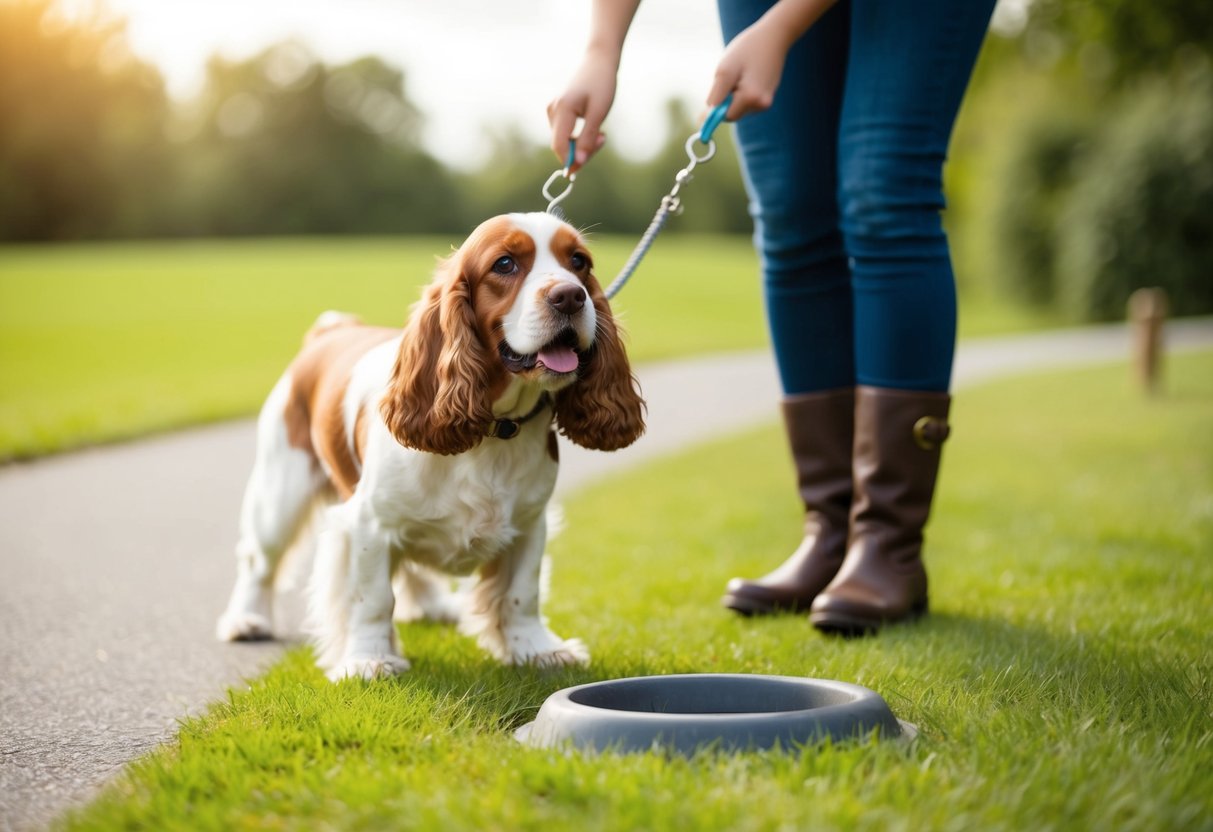
Having a plan can make house training your Cocker Spaniel much easier. You can use several effective strategies, such as crate training, potty pads, and positive reinforcement. These methods focus on consistency and create a supportive learning environment for your dog.
Crate Training and Supervision
Crate training is a useful tool in house training. Your dog naturally doesn’t want to soil their sleeping area. By keeping your Cocker Spaniel in a crate when you can’t supervise, you encourage them to hold their bladder.
Ensure the crate is just big enough for your dog to stand, turn around, and lie down. This prevents them from using one corner as a bathroom.
Also, take your dog out regularly, especially after meals or playtime.
Supervision is just as important. When you’re at home, keep an eye on your dog. If you notice signs that they need to go, like sniffing or circling, take them outside immediately.
Consistent supervision helps avoid unwanted accidents in the house.
Using Potty Pads and Belly Bands
Potty pads can be helpful, especially for adult dogs or dogs that can’t go outside often. Place the pads in a designated area. When your Cocker Spaniel needs to go, they can use the pad instead of the floor.
Belly bands are another effective option for male dogs. These can cover the area where dogs might mark. They help prevent messes while you continue your training.
Remember, both potty pads and belly bands should be temporary solutions. Use them to build good habits, and gradually encourage your dog to go outside as part of their training.
Positive Reinforcement Techniques
Using positive reinforcement is a powerful way to train your Cocker Spaniel. Reward your dog with treats, praise, or playtime when they go outside. This builds a positive connection to the behavior you want to encourage.
Make sure to reward them immediately after they go. This helps them understand what they did right.
It’s also important to be patient and consistent during this process.
Avoid punishment for accidents, as this can confuse your dog. Instead, clean up accidents calmly and take your dog outside more often. With time and reinforcement, they’ll learn to go outside regularly.
When to Seek Professional Help
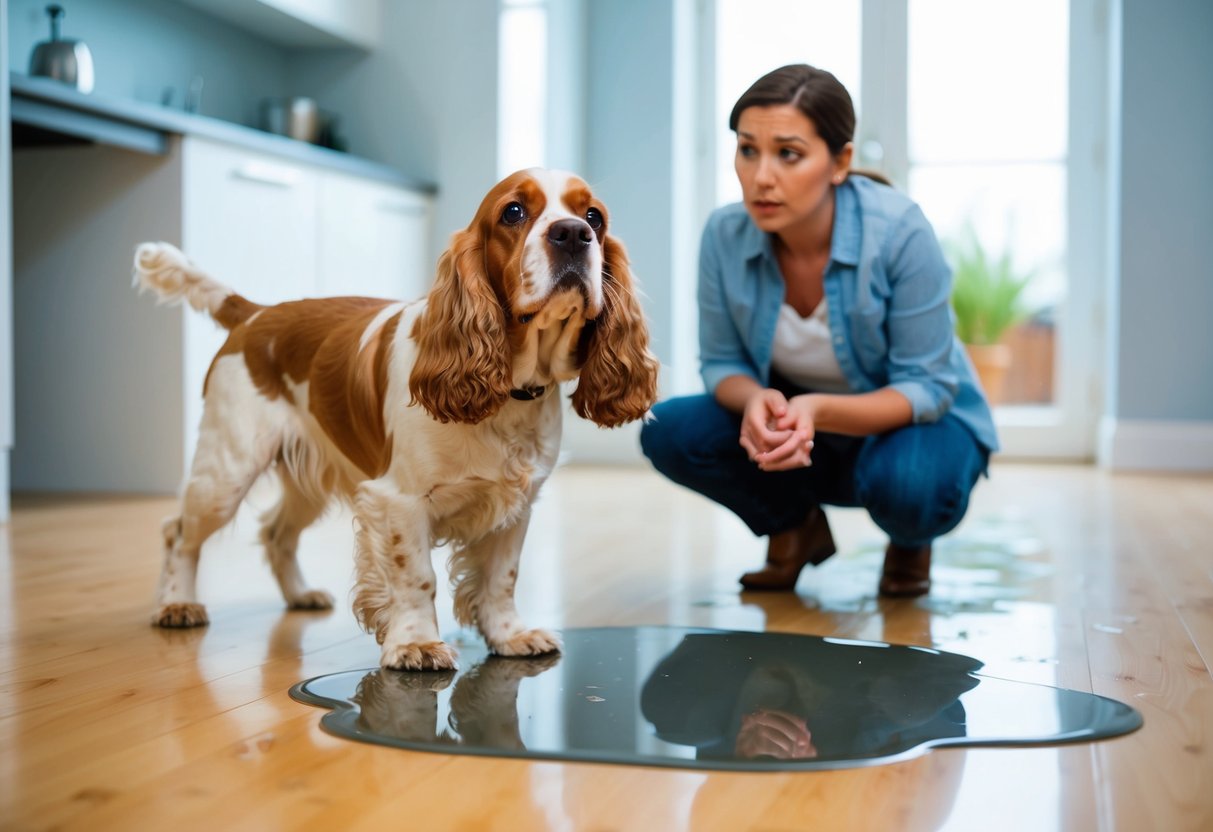
It’s important to know when to seek help for your Cocker Spaniel’s house training issues. Getting the right support can make a big difference in addressing potential medical problems or behavioral challenges. Here’s when you should consider reaching out for professional assistance.
Consulting with a Veterinarian
If your Cocker Spaniel is peeing in the house, the first step is to consult a veterinarian. Some medical issues can lead to sudden changes in your dog’s behavior. Conditions like urinary tract infections or bladder stones may cause frequent urination.
During your visit, be open about your dog’s habits and any other symptoms. Your vet may suggest tests to rule out medical problems. Quick diagnosis can help you avoid prolonged stress for both you and your dog. If your veterinarian finds no medical issues, they can guide you on further steps.
Hiring a Professional Dog Trainer
If your dog doesn’t have any medical issues, consider hiring a professional dog trainer. A trainer can provide valuable insights on effective house training methods. They can also help develop a tailored training plan based on your dog’s specific behavior patterns.
Look for trainers who specialize in positive reinforcement techniques. They will teach you skills to manage your dog’s situation. Regular training sessions can build your dog’s confidence and reinforce good habits. If your Cocker Spaniel shows signs of anxiety during training, a professional can help address those concerns as well.


