
Jumping can be a common issue for Border Terriers, known for their energetic and excitable nature. To stop your Border Terrier from jumping up, reward calm behavior instead of encouraging jumping. Teaching your dog to stay grounded can make a big difference in how they greet friends and visitors.

Understanding canine behavior is essential when dealing with jumping. Dogs often jump to express excitement, seek attention, or even display affection. By redirecting this energy into alternative behaviors, like sitting calmly when greeting people, you can create a more pleasant interaction for everyone involved.
Training takes patience, but with consistent practice, you can teach your Border Terrier to stay on all fours. It’s all about providing clear guidance and positive reinforcement, ensuring both you and your pet have a happier experience together.
Understanding Why Dogs Jump

Dogs jump for various reasons, often related to their instincts and interactions with people. Recognizing these behaviors is essential for effective training, especially for a lively breed like the Border Terrier.
Canine Behavior Explained
Jumping is a natural behavior in dogs that can be linked to excitement, curiosity, or the desire for attention. When your Border Terrier jumps, it may be expressing joy or eagerness to greet you. This instinct can be strong, especially in energetic breeds.
-
Attention Seeking: Dogs quickly learn that jumping often gets them noticed. If you respond positively to this behavior, they may continue to do it more frequently.
-
Physical Expression: Jumping can also be a way for dogs to physically express their energy. In social situations with people or other dogs, they may leap to engage and play.
Understanding these reasons can help you redirect your dog’s energy into more appropriate behaviors.
Jumping on People
When your Border Terrier jumps on you or others, it often wants to connect or say hello. For many dogs, this is their way of greeting friends.
-
Greeting Behavior: Dogs instinctively want to greet and bond with their owners or new people. Jumping can be a way to meet at eye level, making them feel closer.
-
Excitement: High energy levels can also lead to jumping. If your dog gets very excited when you come home or meet new people, the jumping may increase.
By understanding these reasons, you can better address the behavior with training techniques that promote calm greetings instead.
Training Your Border Terrier
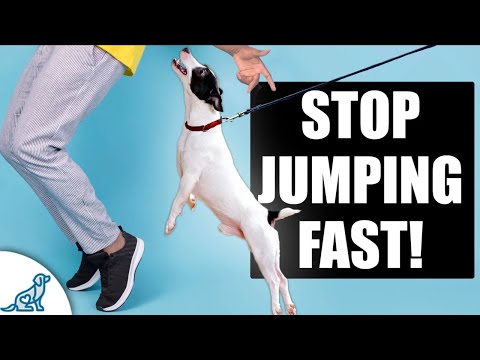
Training your Border Terrier requires patience and consistency. Using the right techniques will help you manage your dog’s jumping behavior. Focus on building a strong foundation, using commands, and rewarding good behavior.
Foundation Training Techniques
Start with basic commands. Teaching your dog commands like “sit” and “stay” lays the groundwork for more advanced training. Consistency is key.
Use short training sessions of about 5-10 minutes each. This keeps your Border Terrier engaged without overwhelming them.
Incorporate positive reinforcement to encourage good behavior. When your dog follows a command, reward them with treats or praise. This helps them associate the command with something enjoyable.
Practice in quiet environments first, then gradually introduce distractions. This will help your dog learn to obey commands even when excited.
The ‘Sit for Greetings’ Method
This method is effective for managing jumping. When someone approaches, ask your Border Terrier to sit before they greet the person. If your dog jumps up, instruct them to sit again. Make sure to only reward them when they stay sitting.
Encourage visitors to ignore your dog if they jump. This teaches your Border Terrier that jumping does not get attention. Praise your dog when they remain seated. Consistent practice will reinforce this behavior. Over time, your dog will learn to sit for greetings instead of jumping.
AKC GoodDog! Helpline
The AKC GoodDog! Helpline offers valuable resources for dog training. They provide advice from professional trainers who can help with jumping and other behavior issues.
You can call the helpline for tips tailored to your Border Terrier’s specific needs.
Getting guidance from experienced trainers can boost your training efforts. They can share effective techniques and help you troubleshoot difficulties. Don’t hesitate to reach out for support. With the right resources, you can create a happier, better-behaved companion.
Prevention and Management Strategies

Preventing your Border Terrier from jumping up involves understanding triggers and creating a structured approach. The strategies below focus on management techniques and encouraging positive behavior to help you maintain calm and enjoyable interactions.
Proactive Management Solutions
Start by managing your dog’s environment. One effective method is to use baby gates to limit access to areas where people enter. This keeps your dog calm and prevents jumping before guests arrive.
You can also teach your dog to stay in a specific spot when someone comes to the door. Use commands like “place” to create a designated area for your dog. This reinforces boundaries and helps your dog learn when it’s acceptable to greet guests.
Keeping Four Paws on the Floor
Teaching your dog the “four on the floor” rule is essential. This means encouraging your dog to keep all paws on the ground when greeting people.
To do this, reward your dog when they remain calm and keep their paws down. When you see your dog start to jump, turn away or remove attention. By withholding your attention, you show that jumping does not get them what they want.
Be consistent with this approach. Reinforce it every time to solidify the behavior.
Encouraging Good Behavior
In training, use positive reinforcement. Make sure to reward good behavior immediately with treats or praise. When your dog stays calm while someone approaches, give them a treat. This teaches them that staying down gets the rewards.
Training sessions should be short and engaging. Ten to fifteen minutes daily can make a significant difference. Use various rewards to keep your dog motivated.
Additionally, teach your dog to sit when someone arrives. This action can shift their focus from jumping to a more controlled behavior.


