
Border Collies are known for their intelligence and energetic temperament, but sometimes they can show signs of aggression. If you want to manage this behavior, you need to understand what might be causing it. Various factors, such as stress, fear, or an underlying health issue, could be the cause of aggression in your Border Collie.
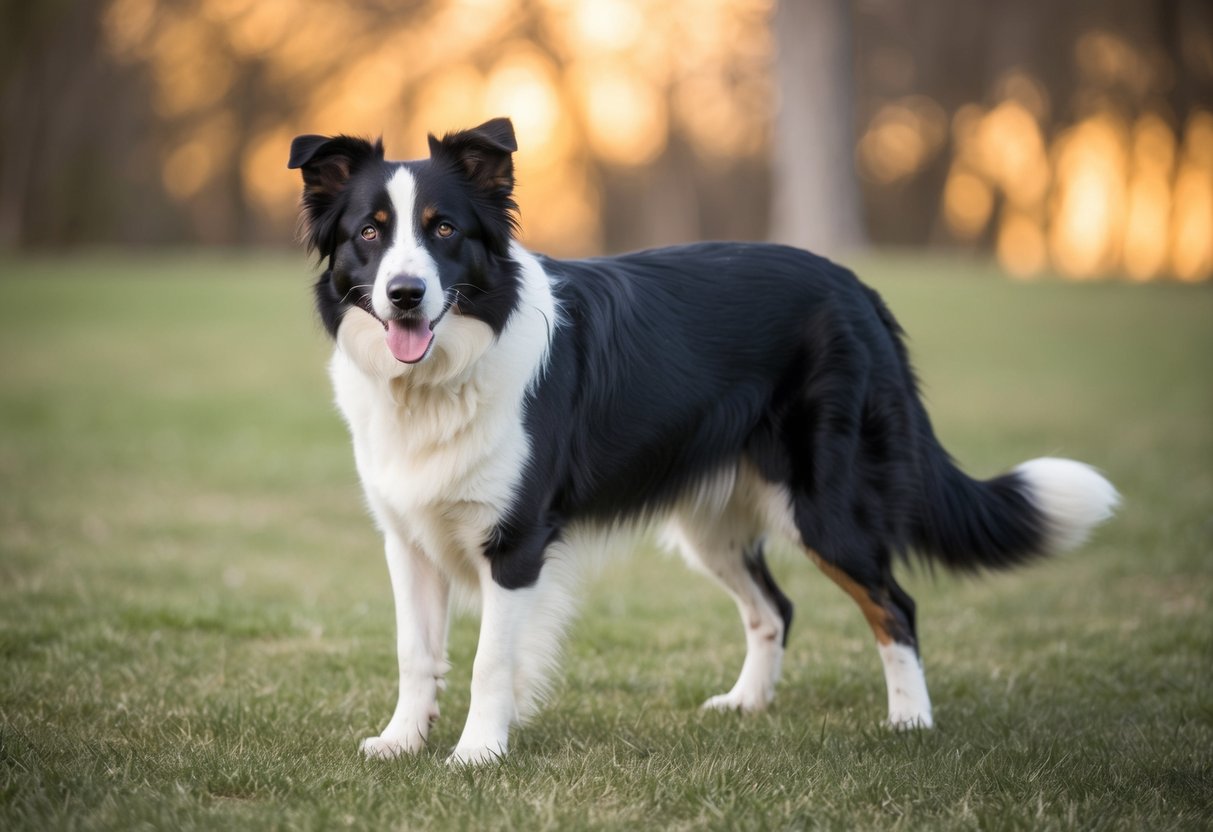
To stop your Border Collie from being aggressive, focus on positive reinforcement training and addressing any stressors in their environment. Providing a structured routine can also help your dog feel more secure. Engaging your Border Collie in regular exercise and mental stimulation can reduce anxiety and channel their energy in positive ways.
When you see aggressive behavior, responding calmly and seeking professional help if needed can make a significant difference. Understanding the triggers of aggression in your dog allows you to take proactive steps to improve their behavior and create a happy, safe environment.
Understanding Border Collie Aggression

Recognizing aggression in your Border Collie and understanding its causes is key to managing their behavior. This section will help you identify the signs, explore common triggers, and learn how genetics and temperament play a role in aggression.
Identifying Signs of Aggression
Your Border Collie may show various signs of aggression. Common behaviors include growling, barking, snapping, or showing teeth. They may also display a stiff body posture or raised hackles.
Watch for changes in their usual behavior, such as becoming overly protective of toys or food. Understanding these signals early can help you address the issue before it escalates.
Keep in mind that aggression can come from fear, pain, or other triggers. Observing your dog closely will help you spot these signs and respond appropriately.
Common Causes of Aggressive Behavior
There are several reasons why your Border Collie might act aggressively. Fear aggression is one cause, where your dog reacts aggressively out of fear. This can happen if they feel threatened by strangers or other pets.
Dominance aggression may also arise when your dog tries to assert control over people or resources. Other triggers could include frustration, pain, or territory protection.
Identify these root causes by paying attention to situations that provoke aggression. Understanding what sets off these behaviors is essential for effective training.
The Impact of Genetics and Temperament
Genetics and temperament significantly influence your Border Collie’s behavior. Some factors are inherited from their lineage, making certain dogs more prone to aggression.
Temperament also plays a role; high-energy Border Collies may show aggression when they are under-stimulated. If your dog has a genetic predisposition to aggressive behavior, it is essential to take preventive measures early on.
Consult with a dog behaviorist if needed. They can develop a customized plan to address any behavioral issues, helping you and your dog live harmoniously.
Effective Training Strategies

To help your Border Collie overcome aggression, it is vital to use effective training strategies. Focused obedience training, positive reinforcement techniques, and working with professionals can set the foundation for better behavior.
Foundation in Obedience Training
Starting with basic obedience training is crucial. Teaching commands like “sit,” “stay,” and “come” helps your dog learn control and reduces aggressive responses. You can establish a solid routine with short training sessions, aiming for 5-10 minutes a day.
Using consistent cues is also important. When you use the same words and gestures, your Border Collie will learn faster. Reward your dog with treats or praise each time they follow a command. This reinforces their good behavior and encourages them to repeat it.
Positive Reinforcement Techniques
Positive reinforcement is one of the most effective training techniques. Instead of scolding or punishing your Border Collie for aggressive behavior, reward them for calm and friendly actions. For example, if your dog remains calm around other dogs or people, give them a treat or extra affection.
Additionally, create a safe environment. Remove triggers that may cause aggressive reactions, such as people or noises that upset your dog. Gradually reintroduce these triggers while rewarding your dog for non-aggressive behavior, which can help change their response over time.
Professional Training and Behaviorists
Sometimes, working with a professional dog trainer or behaviorist is the best choice. These experts can provide personalized guidance and training techniques tailored to your Border Collie’s specific needs. Look for trainers experienced with aggressive behaviors and who use positive methods.
A behaviorist can also assess your dog’s actions and help identify triggers. They often suggest behavior modification techniques to correct aggressive tendencies. Investing in professional help can lead to a happier, healthier relationship between you and your Border Collie.
Creating a Supportive Environment

Building a supportive environment can help address and reduce aggression in your Border Collie. Focusing on exercise, socialization, and managing triggers is key to promoting a calmer, happier dog.
The Importance of Exercise and Play
Your Border Collie is a high-energy breed that needs physical exercise and mental stimulation every day. Regular activities like brisk walks, jogging, or playing fetch are essential. Without adequate exercise, your dog may become anxious or frustrated, leading to unwanted behaviors, including aggression.
Incorporate playtime with toys that challenge your dog’s mind, such as puzzle toys or tug ropes. Aim for at least 1-2 hours of structured activity daily. Remember, a tired dog is a happy dog. This can help lower their arousal levels and reduce the risk of aggressive behavior.
Socialization and Its Benefits
Early socialization is crucial for Border Collies. Exposing them to different people, animals, and environments helps them learn appropriate behaviors. Make socialization a regular part of your routine by introducing your dog to new experiences gradually.
Consider enrolling your dog in group training classes or playdates with other dogs. This helps them build confidence and reduces anxiety, which can be a root cause of aggression. Each new experience teaches your dog to feel comfortable in various situations, making them less likely to react aggressively.
Managing Triggers and Stressors
Learning to recognize and manage your dog’s triggers is vital. Identify situations that cause stress or excitement, such as loud noises, unfamiliar dogs, or sudden movements. Keep a journal to track your dog’s reactions in different situations.
When you identify potential stressors, try to minimize exposure until your dog feels more comfortable. Use positive reinforcement techniques to reward calm behavior. If your dog starts to show signs of anxiety or aggression, calmly redirect their focus with treats or a favorite toy. This can help them stay available under stress while building a more supportive environment.
Advanced Techniques for Aggression Management

Managing aggression in your Border Collie requires specific strategies to address the underlying issues. By focusing on desensitization, understanding resource guarding, and reinforcing your role as a pack leader, you can create a safer environment for both your dog and those around you.
Desensitization and Counter-Conditioning
Desensitization involves exposing your dog to stimuli that trigger aggression in a controlled manner. Start by identifying what causes your Border Collie to bark, growl, or bite. Then, gradually introduce these triggers from a distance where your dog feels safe. Reward calm behavior with treats or praise.
Counter-conditioning helps change your dog’s negative reaction to positive experiences. For example, if your dog is aggressive towards other dogs, try giving treats when they see another dog from a distance. Over time, this process can lower reactivity and promote positive feelings, making them less likely to nip or snarl.
Understanding and Addressing Resource Guarding
Resource guarding is common in dogs, and it can lead to biting or growling when they feel threatened. This behavior often stems from a fear of losing valuable resources like food, toys, or space. To tackle this, work on trade exercises. Offer your dog a treat in exchange for the item they’re guarding. This teaches them that sharing is rewarding.
Gradually decrease the distance between you and the guarded resource while rewarding calm, relaxed behavior. Patience is key. Avoid punishment, as this can heighten anxiety and worsen the problem, leading to confused behaviors and territorial aggression.
The Role of a Pack Leader
Establishing yourself as a pack leader is vital for managing aggression. A confident leader helps your dog feel secure.
Start by setting clear boundaries and rules. Consistent training helps your Border Collie know what behaviors are expected.
Muzzle training can be effective in managing aggressive incidents, especially if your dog is prone to biting.
Introduce the muzzle gradually, allowing your dog to associate it with positive experiences like treats or playtime. This technique helps ensure safety while you work on behavioral issues.
Engage in structured play to direct your dog’s herding instincts positively, helping to reduce bad behavior.
With time and effort, your Border Collie will learn to trust you as their leader, effectively curbing aggressive tendencies.


