
Training your beagle can be a fun and rewarding experience, but if your furry friend is pulling on the leash during walks, it can quickly become frustrating. To stop your beagle from pulling, focus on positive reinforcement techniques that reward desired behavior rather than punishing unwanted actions. This approach helps build a strong bond between you and your pet, making walks enjoyable for both of you.

Using tools like a no-pull harness can also be beneficial. It allows you greater control without causing discomfort to your beagle.
Remember to remain patient and consistent in your training efforts. When your beagle starts to pull, simply stop walking and wait for them to come back to your side before offering praise or a treat.
With time and persistence, you’ll notice your beagle walking calmly by your side, making your walks together much more pleasant. By creating a positive training environment, you set the stage for the kind of connection that makes dog ownership so rewarding.
Understanding Beagle Behavior

Beagles are known for their unique behaviors shaped by their instincts as scent hounds. This section will explore their natural tendencies and some common behavior challenges you might face as a dog owner.
The Beagle’s Natural Instincts
Beagles have a strong sense of smell, which drives many of their behaviors. They are scent hounds, originally bred for hunting. This instinct can lead them to follow interesting smells during walks, causing pulling on the leash.
Barking is another common trait. Beagles are vocal and often use barking to communicate. You might find them barking to get your attention or when they pick up on unusual scents.
Because of their high energy levels, Beagles also tend to chew and dig. These activities can help them release pent-up energy and satisfy their curiosity. Keep toys handy to redirect their chewing.
Common Behavior Challenges
Beagles can present a few challenges. Their natural instincts often lead to unwanted behaviors. For example, leash pulling can be a significant issue, especially when they are excited by new scents.
Chewing and digging can lead to damage in your home or garden. This behavior often stems from boredom or lack of exercise. Providing plenty of playtime and mental stimulation can help reduce these actions.
Biting can also occur if they feel threatened or anxious. Early socialization is key to addressing this issue. Make sure your Beagle interacts with various people and environments to build confidence.
Essentials of Leash Training

Leash training is key to enjoying walks with your beagle. It helps build good leash manners, reduces pulling, and makes walks a pleasant experience for both of you. Here are some important areas to focus on.
Starting with the Basics
Begin by introducing your beagle to the leash and harness in a positive way. Use a no-pull harness or a front-clip harness, like the Rabbitgoo harness, to give you better control.
Allow your dog to sniff the harness and leash before putting them on. Once your beagle is comfortable, practice walking around your home. This helps them understand what is expected without distractions.
Use treats to reward your dog for staying close. Make sure your beagle understands basic commands like “sit” and “heel.” This foundation is essential for effective leash training.
Teaching Loose Leash Walking
Loose leash walking is when the leash stays relaxed during walks. To teach this, start by walking in your yard or a quiet area. Hold the leash loosely and let your beagle explore.
When they begin to pull, stop walking immediately. This teaches your beagle that pulling doesn’t lead to movement. Wait for them to return to your side before continuing.
Be consistent with this method. Always reward your dog with treats or praise for walking beside you in the correct heel position.
Keeping training sessions short and engaging can prevent frustration for both of you, making learning more enjoyable.
Correcting Leash Pulling on Walks
If your beagle pulls during walks, use gentle corrections. Use a head halter if necessary. It gives you more control without damaging their neck.
When they pull, stop walking and firmly say “no.” Wait until the leash is slack before moving forward again. Repeating this consistently will help reinforce good behavior.
You can also practice redirecting their attention. Use toys or treats to get them focused back on you.
Remember to make your beagle’s walk enjoyable by varying your route and letting them sniff along the way. Creating positive experiences helps reduce pulling over time.
Effective Beagle Training Techniques
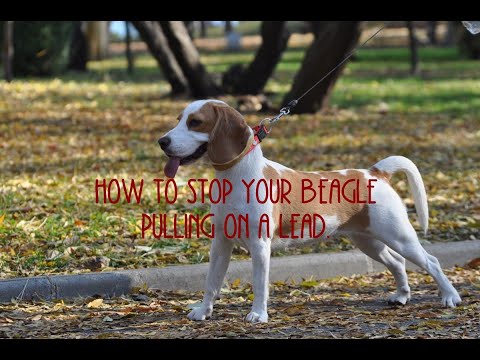
Training your Beagle to stop pulling on the leash can be a rewarding experience. By using effective techniques, you can teach your dog good walking habits. Here are some strategies that will help you on this journey.
Positive Reinforcement Strategies
Using positive reinforcement is a great way to encourage good behavior in your Beagle. This involves rewarding your dog when they walk calmly beside you. Treats, praise, or their favorite toy can serve as incentives.
Start with short training sessions of around 5-10 minutes. As soon as your Beagle walks without pulling, give them a treat and verbal praise. This builds a positive association with walking nicely.
You can also use a clicker for training. When your Beagle walks without pulling, click and reward immediately. This helps your dog understand what you want.
Consistency Is Key
Consistency is crucial for effective training. Make sure everyone in your household follows the same rules and commands when walking your Beagle. This prevents confusion and helps reinforce the behavior you want.
Whenever your dog starts to pull, stop walking right away. Stand still and wait for them to return to your side or loosen the leash. This reinforces that pulling will not move you forward.
Practice regularly to build good habits. Aim for daily walks, and keep sessions positive and engaging. Short, frequent training walks are more effective than long, tiring sessions.
Professional Training Solutions
If you’re struggling to train your Beagle on your own, you might consider seeking help from a professional dog trainer. A trainer can provide personalized guidance and techniques tailored to your dog’s specific needs.
Look for trainers who use methods based on positive reinforcement. They can help you understand your Beagle’s behavior and teach you effective strategies for walking without pulling.
Group classes can also be beneficial. They offer socialization opportunities for your Beagle while you learn new skills. Plus, watching other dogs can motivate your Beagle to improve.
Enhancing Mental Stimulation and Exercise

To help your Beagle stop pulling on walks, focus on boosting their mental stimulation and exercise in fun ways.
Start with interactive toys. These toys keep your Beagle engaged and make them think. Try puzzle toys that hide treats. Your dog will love the challenge.
Incorporate recall training during walks. Practice calling your dog back to you when they stray. Reward them with treats or praise. This reinforces good behavior and helps with leash pulling.
Self-control exercises can also be useful. Before you go out, ask your Beagle to sit and wait. Gradually increase the time they must stay put. This builds focus and control.
Give your Beagle plenty of opportunities to expend energy daily. Consider structured walks that mix exercise with training. Let your Beagle sniff around but keep them on a loose leash. Remember, walks should be a fun adventure!
Lastly, explore nearby parks or open spaces. Varying your walking routes adds excitement and makes each walk unique. A happy Beagle is less likely to pull on the leash.


