
Raccoons are fascinating creatures, but they can pose serious risks if they’re rabid. One of the biggest concerns with rabid raccoons is their potential threat to public health. To know if a raccoon is rabid, look for specific signs like unusual aggression, foaming at the mouth, or changes in behavior.
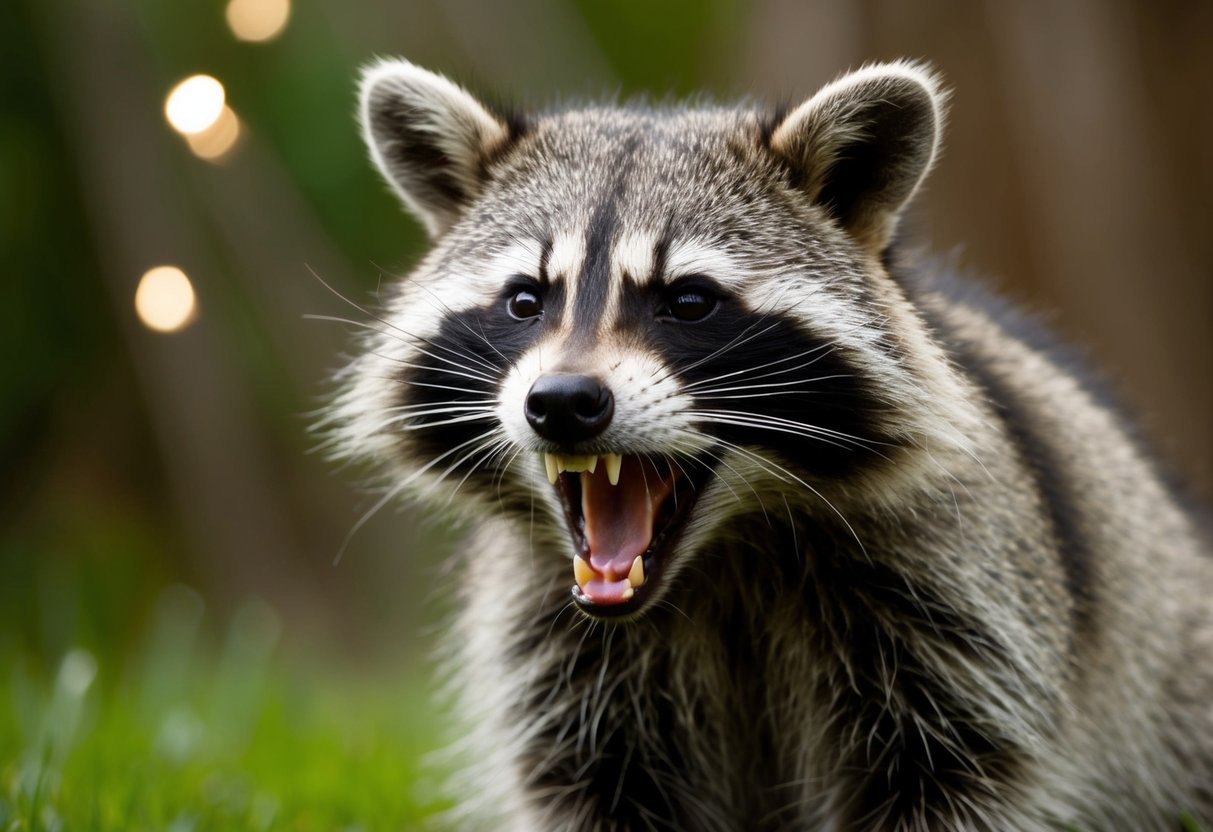
If you spot a raccoon that seems sick or is acting strangely, it’s crucial to stay away and report it to local animal control. Understanding the signs of rabies in raccoons can help you keep yourself and your community safe.
Understanding Rabies in Raccoons

Rabies is a serious health risk associated with raccoons and other wild animals. Knowing the characteristics of rabies, how it spreads, and the importance of vaccination can help keep you and your community safe.
Characteristics of Rabies
Rabies is caused by the rabies virus, which attacks the central nervous system. Symptoms can vary, but common signs in raccoons include unusual behavior, lack of fear of humans, and physical changes such as paralysis. The incubation period, or the time between exposure and symptoms, can range from weeks to months.
During this time, the affected raccoon might look healthy, making it hard to detect the illness early. Once symptoms appear, the disease progresses rapidly and is almost always fatal. Being aware of these characteristics helps you identify potential risks.
Transmission and Vulnerability
Raccoons are considered rabies vector species, meaning they can spread the virus to other animals and humans. The virus is typically transmitted through bites, but it can also be spread through scratches. Although the risk from a scratch is lower, it is not zero.
Your pets can also be at risk if they encounter a rabid raccoon. This is why it is important to keep your pets vaccinated and to avoid contact with wild animals. If you suspect a raccoon is rabid, it is best to contact local wildlife authorities immediately.
Rabies Vaccination Importance
Vaccination plays a key role in preventing rabies in both pets and humans. Regular rabies vaccinations for your pets can significantly reduce the likelihood of transmission from wildlife like raccoons.
Public health initiatives also focus on vaccinating stray animals to control the spread of rabies. If you are bitten or scratched by a raccoon, seek medical attention right away. Post-exposure vaccinations can help prevent the virus from taking hold.
Keeping up with rabies vaccinations not only protects your pets but also contributes to community health and safety.
Identifying Symptoms of Rabies in Raccoons
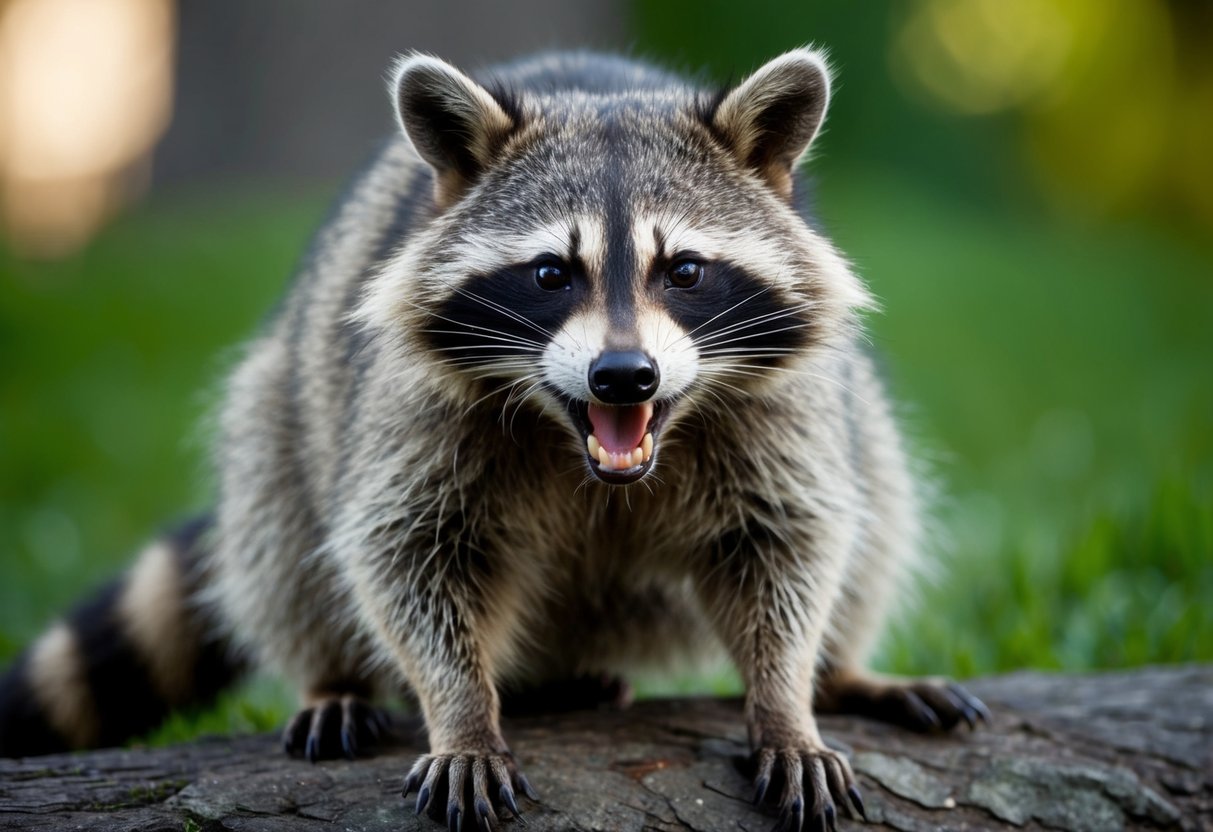
Recognizing the signs of rabies in raccoons is important for your safety. There are both physical symptoms and behavioral changes that can help you determine if a raccoon might be rabid.
Early Physical Symptoms
When a raccoon has rabies, you might notice some early physical symptoms. One common sign is excessive drooling. If you see a raccoon with foam around its mouth, that could be a warning sign.
Additionally, difficulty walking is another symptom. Rabid raccoons may appear weak and could have trouble moving normally. They might stagger, walk in circles, or even suffer from paralysis in their hind legs. Observing these physical changes can be crucial in identifying a potentially rabid raccoon.
Behavioral Signs
Behavioral symptoms are just as important to observe. A rabid raccoon might show unusual behavior that seems out of character for the animal. Look for signs of erratic behavior, such as running in circles or behaving aggressively.
You might also notice signs of disorientation or confusion. A raccoon that seems lost or confused could be sick. Additionally, aggressive behavior is a significant red flag. If a raccoon approaches you or acts threateningly, it’s wise to keep your distance, as this could indicate rabies.
Responding to Potential Rabies Exposure

When you suspect a raccoon may be rabid, knowing how to respond is crucial. Acting wisely can help ensure your safety and the health of your community. Here are key steps to follow when facing this situation.
When to Contact Animal Control
If you see a raccoon displaying unusual behavior, like foaming at the mouth, or making strange noises, it’s time to reach out to animal control. Raccoons are typically nocturnal animals, and any signs of daytime activity can be alarming.
Do not attempt to approach or handle the raccoon. Rabid animals can be very aggressive and pose a risk to humans and pets. Report the incident to local wildlife management or animal control, providing details about the location, behavior, and appearance of the raccoon.
Quick action is essential for public health. If you’ve had any direct contact with the raccoon, seek medical advice immediately. Rabies is a serious disease, and early intervention is vital.
Preventive Measures and Public Safety
To prevent rabies exposure, avoid feeding raccoons or leaving out pet food that attracts them. Proper waste management can also deter wildlife from frequenting your property.
If you encounter a raccoon acting strangely, do not approach it and keep your pets indoors. Instead, alert your neighbors and encourage them to be cautious as well.
Join community efforts in rabies prevention through wildlife education programs. Understanding wildlife health and the risks involved can help you protect yourself and your community. Awareness about your surroundings plays a key role in keeping your environment safe from potential rabies outbreaks.
Professional Insights on Rabid Raccoons
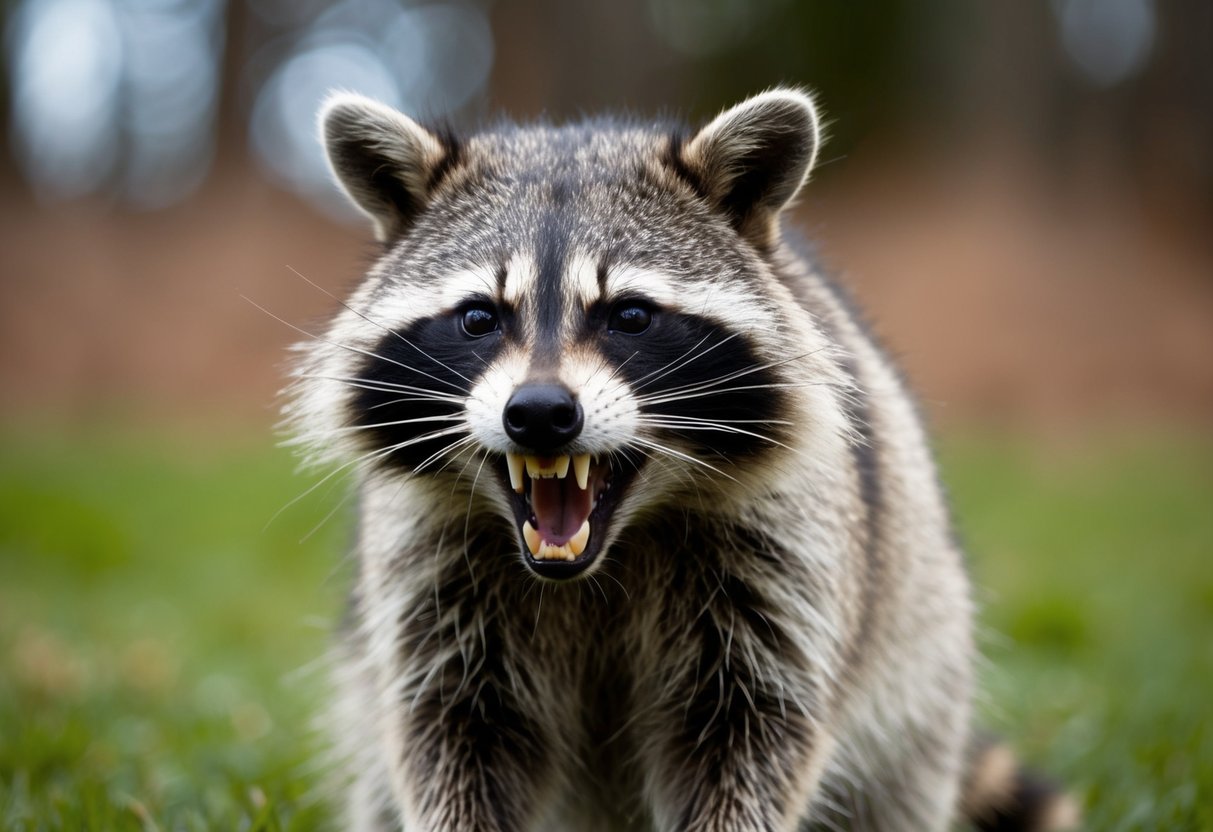
Understanding the signs of a rabid raccoon is essential for your safety and the safety of your pets. Experts in wildlife management offer valuable insights into identifying rabid raccoons and the appropriate actions to take.
Wildlife Biologist Perspective
Wildlife biologists note that raccoons can display unusual behaviors when they are sick. For instance, a rabid raccoon may be active during the day, which is not typical for these nocturnal animals.
Signs to watch for include:
- Disorientation: A rabid raccoon may seem confused or unsteady on its feet.
- Aggression: It might show unprovoked aggressive behavior toward humans or pets.
Experts emphasize keeping your distance if you see a raccoon exhibiting these signs. Always report such behavior to local wildlife authorities. They can assess the situation and handle the sick raccoon safely.
Health and Removal Guidelines
If you suspect a raccoon is rabid, you should maintain a safe distance. Raccoons with rabies can pose serious health risks, so do not attempt to approach or capture them yourself.
Follow these guidelines for safety:
- Contact Professionals: Reach out to local animal control or wildlife removal services. They are trained to handle rabid animals safely.
- Keep Pets Indoors: Ensure your pets are safe by keeping them indoors until the situation is resolved.
By staying informed and taking precautions, you can help protect yourself and your community from the dangers posed by rabid raccoons.


