
If you have a husky and wonder if it has wolf-like traits, you’re not alone. Many husky owners want to know if their pets have inherited wolf-like traits. Genetic testing is the best way to determine if your husky has wolf DNA. These tests can provide accurate insights into your dog’s lineage.

In addition to DNA tests, you can also look for specific physical traits that may indicate wolf ancestry. For example, a husky with a slimmer snout or larger paws might suggest a connection to wolves. Learning to identify these characteristics can be fun and informative, helping you understand your pet better.
Understanding whether your husky has any wolf-like traits can enhance your relationship with your dog. By exploring both genetic testing and physical traits, you can satisfy your curiosity and deepen your bond with your furry friend.
Understanding the Siberian Husky Breed

Siberian Huskies are fascinating dogs known for their striking looks and friendly nature. They belong to the Spitz breed, which is characterized by their thick fur and pointed ears.
Originally, the Chukchi people of Siberia bred these dogs as sled dogs. They pulled sleds over long distances, showcasing their strong and energetic nature.
As a purebred breed, Huskies have specific traits that make them unique. They often have beautiful blue or multicolored eyes and a wolf-like appearance. Their friendly demeanor makes them great companions.
Huskies are also known for their high energy levels. They need plenty of exercise and mental stimulation to stay happy. If you have a Husky, regular walks, runs, or playtime are essential.
These dogs are deeply social and enjoy being part of a family. They can get along well with children and other pets when properly socialized. Their playful attitude makes them lovable companions.
Physical and Behavioral Signs of Wolf Ancestry
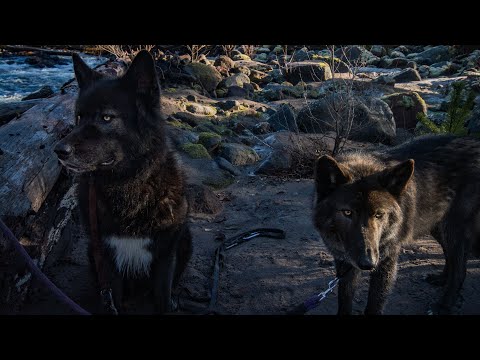
When trying to determine if your husky has wolf ancestry, pay attention to both their physical traits and behaviors. These signs can give you clues about their lineage. Here are the key areas you should explore.
Identifying Physical Traits Common to Wolves
Look closely at your husky’s physical characteristics. One noticeable trait is the body structure. Wolves are generally taller and leaner, so if your husky has a similar build, it could indicate wolf ancestry.
Consider the shape of the eyes. Wolves often have almond-shaped eyes and rarely possess blue eyes, while many huskies can have blue eyes. The presence of specific coat colors can also hint at a wolf-like heritage.
Check the paws; if they are notably large—about the size of your palm or bigger—it could signal wolf genetics. Additionally, a wolf-like face with a pronounced muzzle is another physical marker to watch for.
Behavioral Characteristics Indicative of a Wolf Hybrid
Your husky’s behaviors also provide insight into possible wolf ancestry. For instance, if your dog exhibits a strong prey drive or displays heightened independence, these traits align more closely with wolves.
Observe their vocalizations. Wolves communicate through a range of sounds, including howling. If your husky howls more often or uses varied vocalizations, it might be linked to wolf genes.
Be aware of your husky’s scent-marking habits. Wolves are known to mark their territory, so if your dog frequently does this, it may suggest wolf ancestry. Their approach to social interactions, including communication styles, can also reflect influences from their wild ancestors.
Genetic Testing for Wolf Hybrids

If you suspect your husky might have wolf ancestry, genetic testing can help clarify your pet’s lineage. This section explores the role of DNA tests and how to interpret the results from these hybrid tests.
The Role of DNA Tests in Identifying Wolf Content
Genetic testing can provide accurate insights into whether your husky is part wolf. These tests analyze specific genetic markers that are unique to wolves, known as wolf-specific alleles.
You can choose a reputable dog DNA test that checks for the presence of these markers. Some tests are designed to detect wolf hybrids up to three generations back. The Wolf-Dog Hybrid Test evaluates the DNA of your pet and compares it with a database of known genetic samples.
This testing is especially helpful for identifying potential wolf content that may not be visually apparent. The clarity a DNA test offers can help you understand your dog’s behavior and needs better.
Interpreting the Results of Hybrid Tests
Once you receive the results from the hybrid test, understanding them is key. The report will usually include a percentage indicating how much wolf DNA is present in your husky.
Here’s what you might see:
- 0% Wolf DNA: Your dog is purely domestic.
- 1-25% Wolf DNA: Low genetic similarity, likely just a husky.
- Over 25% Wolf DNA: Indicates significant wolf ancestry.
It’s important to consider the accuracy of the test. Not all DNA tests are equal. Some brands analyze more genetic markers, which can lead to more reliable results. Tests like Embark focus on a broader range of genetic data and provide unique insights into your dog’s background.
Legal and Ethical Considerations of Owning a Wolf Hybrid

When considering the ownership of a wolf hybrid, it’s essential to focus on both legal regulations and the welfare of the animal. Understanding these aspects will help ensure you make informed decisions.
Understanding Hybrid-Related Laws
Laws regarding wolf hybrids vary widely by location. In some areas, you need special permits to own a wolf hybrid. Others may have strict bans.
Check your local regulations to see if owning a wolf-dog hybrid is allowed. For example, some states consider animals with as little as 1% wolf lineage to be classified as a wolf hybrid, impacting legality.
Make sure you also understand the specific requirements. These often include:
- Enclosure regulations: Safe spaces to contain the animal.
- Permits: Obtaining necessary paperwork for legal ownership.
Understanding these laws helps protect both you and your pet.
Health and Welfare of Hybrid Animals
The health and welfare of a wolf hybrid are critical. These animals often have needs that differ from typical domestic dogs.
They may need more space, exercise, and mental stimulation.
Feeding a wolf hybrid can also be complex. They might have dietary requirements that are closer to those of wild wolves rather than domestic dogs.
Behaviorally, they can be challenging. While wolf hybrids can be affectionate, they often retain wild instincts.
This can lead to unpredictable behavior.
Monitoring their health is essential. Regular vet visits can help you catch potential issues early, ensuring your wolf hybrid remains healthy and happy.


