
Bobcats are fascinating creatures that roam North America, and their size might surprise you. On average, bobcats measure around 30 to 50 inches in length and can stand about 12 to 24 inches tall at the shoulder. These wildcats, known scientifically as Lynx rufus, are part of the Felidae family, which includes other mammals in the carnivorous order Carnivora.
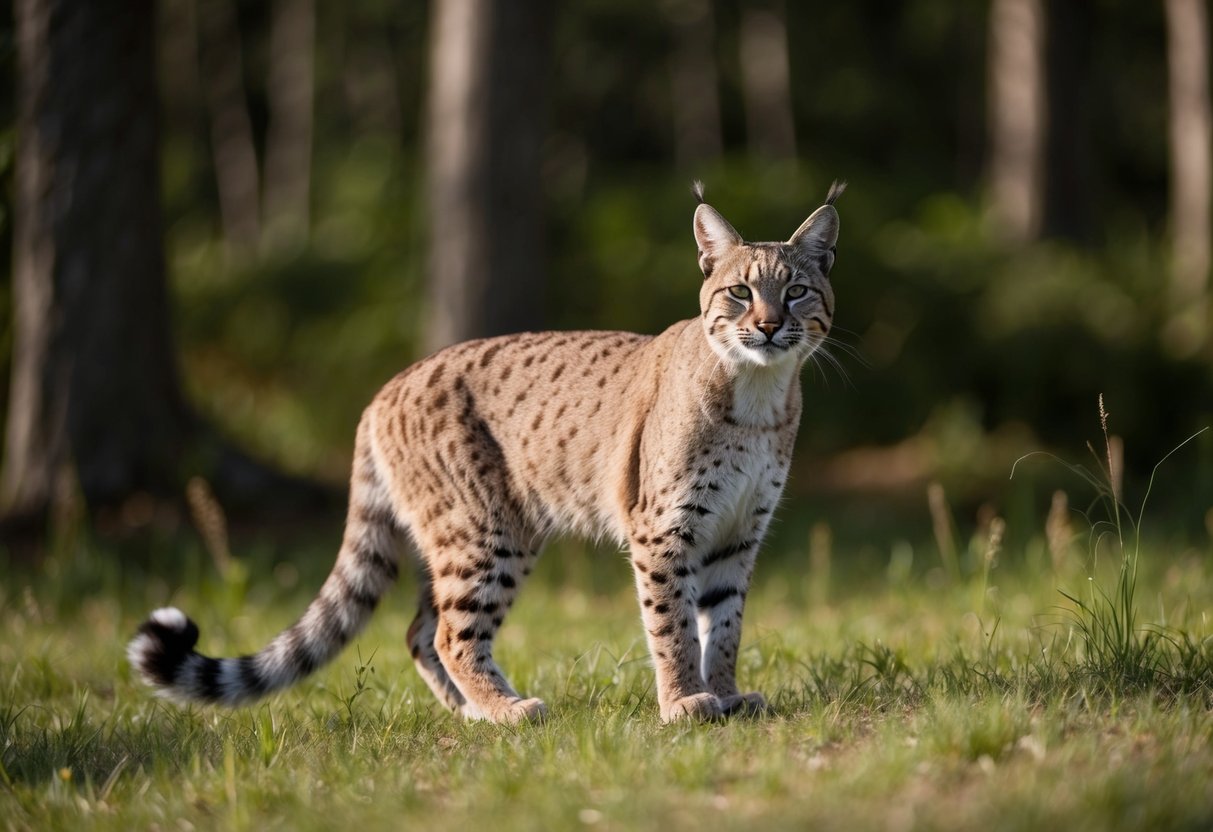
Understanding how big bobcats get can help you appreciate their role in the ecosystem. As skilled hunters, they play an essential part in maintaining balance within their habitats. These agile felines are not just larger than typical house cats; they are also vital for wildlife conservation efforts, as protecting their populations supports the overall health of the environment.
If you’re curious to learn more about their size compared to other animals, or how their dimensions affect their hunting abilities, you’re in the right place. Discover just how big these amazing animals truly are!
Physical Characteristics of Bobcats

Bobcats are fascinating animals with distinct physical traits. Their size, weight, and recognizable features help them thrive in their environments. Understanding these characteristics can enhance your appreciation for these wild creatures.
General Size and Weight
Bobcats are larger than domestic cats but smaller than many dogs. Adult bobcats typically weigh between 15 to 40 pounds. Males often range from 20 to 30 pounds, while females usually weigh between 15 to 25 pounds.
In terms of length, they can measure 30 to 50 inches, including their tail. The tail itself is short, measuring about 4 to 7 inches. The height of a bobcat can vary, with males standing around 25 to 35 inches tall. Some of the largest bobcats have even been recorded, showcasing the impressive sizes they can achieve under optimal conditions.
Fur, Color, and Markings
Bobcats have a beautiful coat that varies in color. Generally, their fur is a mix of brown, gray, and tawny shades, helping them blend into their surroundings. The fur is often patterned with dark spots and stripes, which contribute to their camouflage.
This natural pattern helps bobcats remain undetected while hunting. The lighter underbelly contrasts with their darker upper body, creating a striking look. Younger bobcats typically have more defined spots, which can fade as they grow older.
Distinctive Features and Adaptations
Bobcats have many unique features that aid in their survival. One of the most notable is their short, “bobbed” tail, which aids in balance and communication. Their large ears, often tufted at the tips, allow them to detect sounds from far away.
These adaptations make bobcats exceptional hunters. They possess strong legs for powerful jumps, which can reach speeds between 25 to 30 miles per hour. Their retractable claws ensure a steady grip on various terrains.
These traits combine to make the bobcat a skilled predator in its habitat, whether in forests, mountains, or deserts.
Habitat and Range
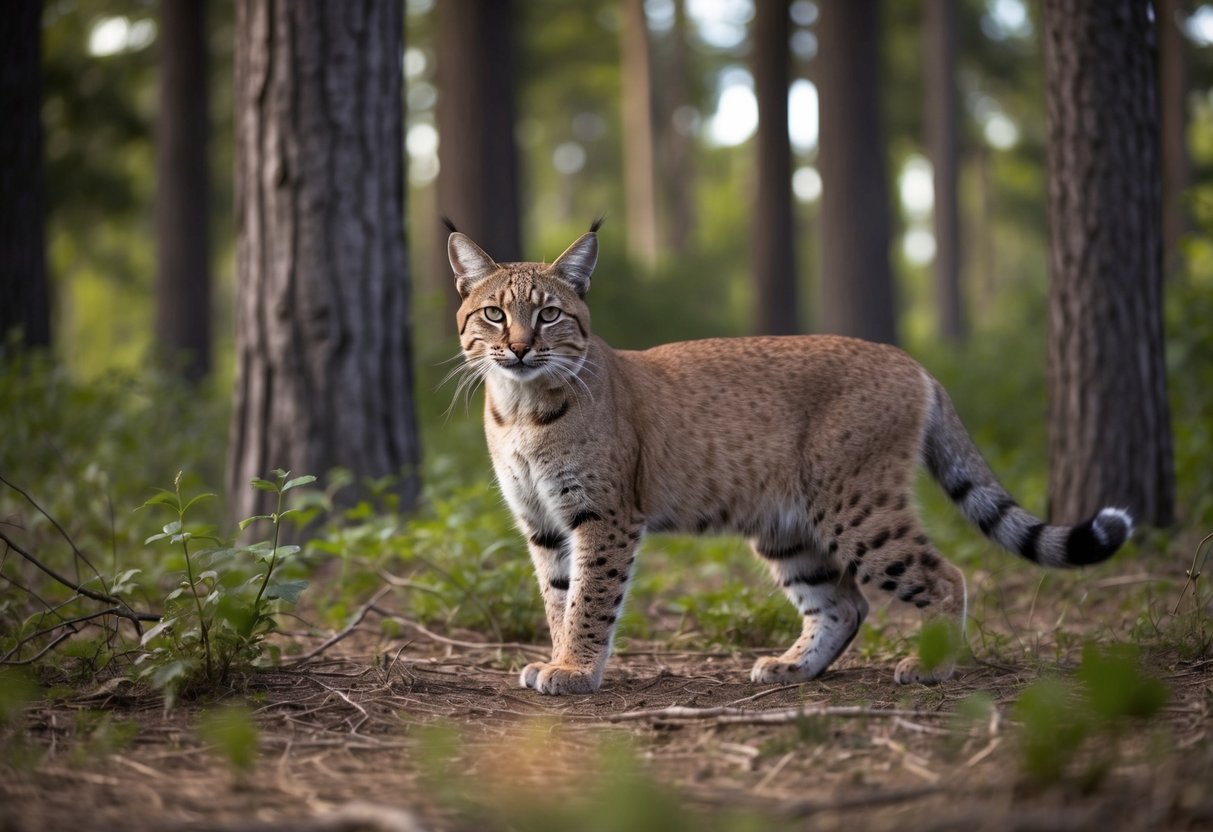
Bobcats are adaptable creatures found in various environments throughout North America. Understanding where they live helps you appreciate their lifestyle and how they thrive.
Geographical Distribution
Bobcats inhabit a wide range across North America, from southern Canada to northern Mexico. Their territory covers every U.S. state except Hawaii.
In Canada, they share some overlapping regions with the Canada lynx. However, bobcats are more versatile in adapting to different ecosystems, which helps maintain a stable population.
They are often found in rural areas, forests, and near human settlements, showing their ability to thrive alongside people.
Preferred Habitats
Bobcats prefer habitats that provide cover and hunting opportunities. Common environments include forests, grasslands, and brushlands. They also adapt to deserts and wetlands, making them quite versatile.
These cats often seek areas with dense vegetation, where they can hide while stalking prey. Suitable habitats support their diet, which includes rabbits, rodents, and birds.
In Missouri, bobcats can be found in a mix of woodlands and open fields, showcasing their adaptability to different terrains.
Territorial Behavior
Bobcats are solitary animals and fiercely defend their territory. Males typically have larger ranges than females, often overlapping with several female territories.
During the breeding season, they may interact more, but generally, they avoid each other outside this time. Their territories can span several square miles, depending on factors like habitat quality and prey abundance.
Bobcats use scent markings to communicate their presence, ensuring that others know where their territory begins and ends. This behavior helps maintain healthy population numbers and reduces conflicts between individuals.
Diet and Hunting Practices
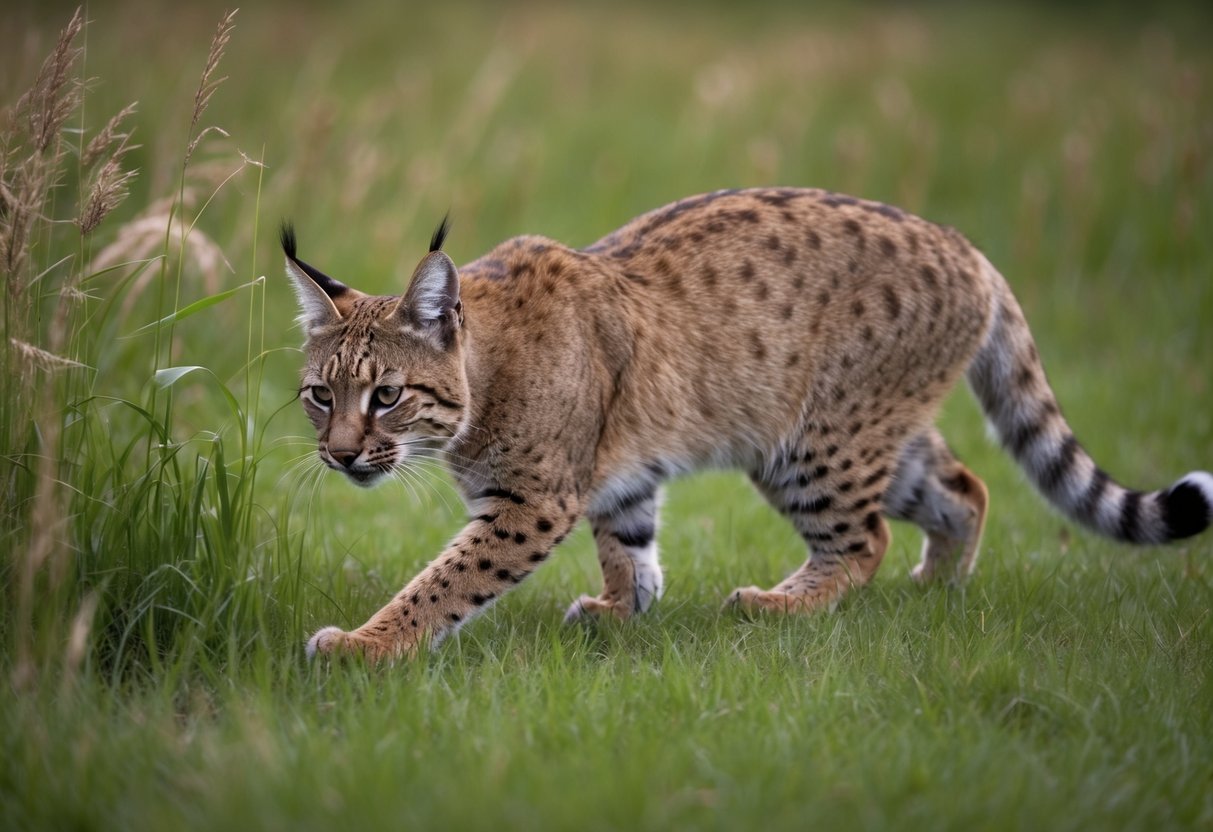
Bobcats are skilled hunters with a diet primarily consisting of small to medium-sized mammals. Their hunting techniques highlight their agility and stealth, allowing them to thrive in various environments. They are also unique among carnivores, facing competition from other predators like coyotes and mountain lions.
Prey and Prey Selection
Bobcats primarily target animals weighing between 1 and 12 pounds. Common prey includes rabbits, rats, squirrels, and raccoons. They also eat birds and reptiles when available. Their preference for eastern cottontails reflects their ability to adapt to available resources.
When selecting prey, bobcats consider size and accessibility. They tend to focus on animals that are easy to catch, ensuring a successful hunt. Unlike domestic cats, bobcats are true predators reliant on their hunting skills.
Hunting Techniques and Skills
Bobcats use stealth and ambush tactics to catch their prey. They often stalk silently through their territory, waiting for the right moment to pounce. This method allows them to conserve energy, as they do not chase down their prey like some larger predators.
Natural climbers, bobcats may choose elevated spots like trees or rocks to hide. This positioning gives them an advantage when waiting for unsuspecting animals to pass by. Their ability to remain still and silent is crucial in making successful captures.
Comparison with Other Predators
In the wild, bobcats face competition from other carnivores, including coyotes and mountain lions. While bobcats primarily focus on smaller mammals, coyotes can hunt larger prey, giving them an edge in certain environments.
Mountain lions, being much larger, tend to target larger animals. Bobcats are typically more agile, allowing them to navigate dense forests. Unlike red foxes, which may scavenge more, bobcats prefer active hunting. This adaptability helps bobcats maintain their position in the food chain.
Reproduction, Growth, and Lifespan

Bobcats have interesting reproduction habits that lead to the birth of cute kittens. Their growth stages are crucial for their development, influencing their lifespan and overall health.
Mating Habits and Offspring
Bobcats mate between February and March. Males are known to compete for females through vocalizations and displays. After a mating period, the female has a gestation period of about 60 to 70 days.
She can give birth to a litter of 1 to 8 kittens, but the average is around 2 to 3. At birth, these baby bobcats weigh about 9.75 to 12 ounces. They begin to open their eyes around 6 days old. The mother takes care of them in a den until they’re ready to explore their surroundings.
Growth Stages and Development
Bobcat kittens grow quickly. They stay with their mother for about 6 months, learning to hunt and survive. During this period, they develop strong skills that help them thrive in the wild.
As they grow, their personalities emerge. You might see them playing and climbing, which helps build their muscles. Bobcats typically live up to 10 years in the wild, but in captivity, they can reach a lifespan of up to 32 years. Factors such as food availability and threats from predators can significantly influence their life expectancy.


