
Ever wondered just how bad a chimpanzee can hurt you? Honestly, it’s pretty alarming—a chimpanzee can inflict severe, sometimes even fatal injuries because of its raw strength and those sharp teeth. These animals pack way more muscle than a human, and their behavior can flip from playful to aggressive in the blink of an eye, especially if they sense a threat.
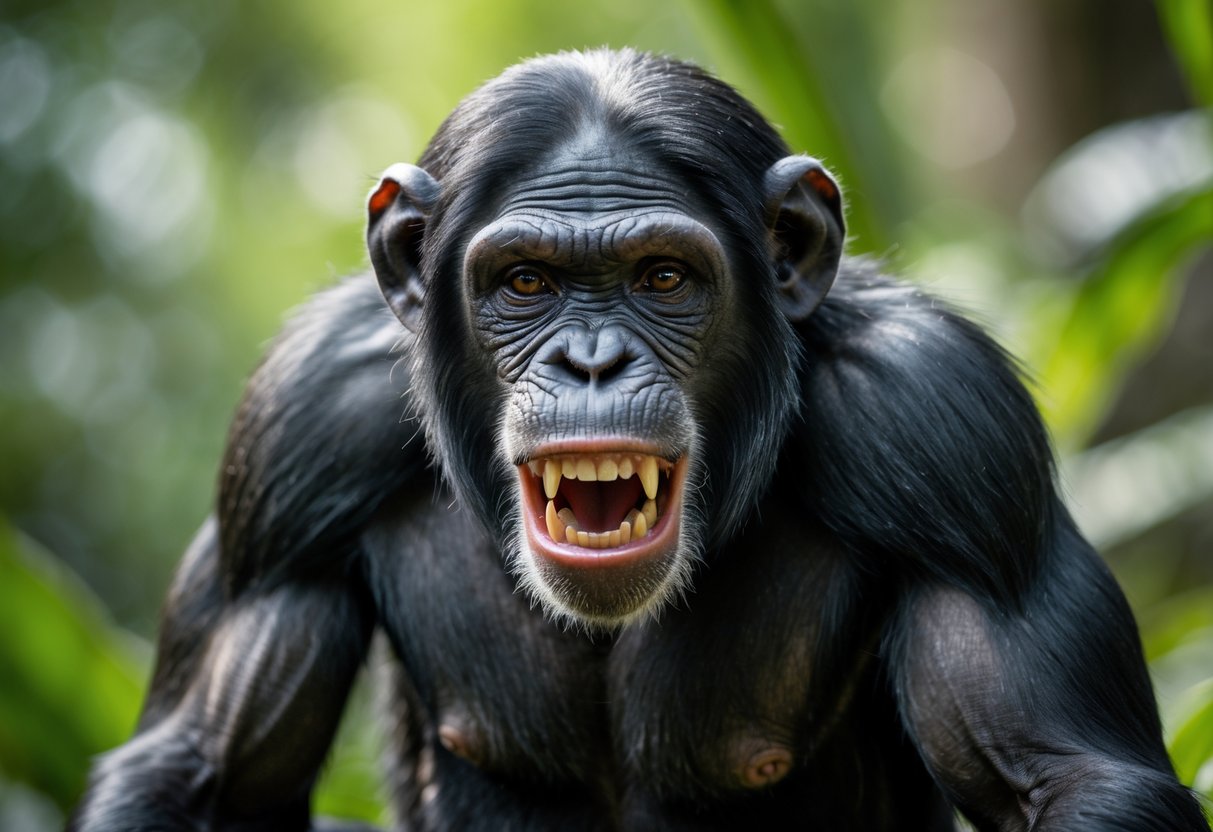
People sometimes imagine chimpanzees as gentle cousins, but that’s a risky assumption. Even a seemingly playful move from them can turn dangerous fast.
Their power and unpredictability should make anyone think twice before getting too close.
It’s smart to know what triggers chimpanzees to attack. They might lash out if they’re scared or defending their territory.
Getting the facts can help you avoid risky situations.
How Dangerous Are Chimpanzees to Humans?

Chimpanzees can really hurt people because of how they act and just how strong they are. If they feel threatened or want to show who’s boss, they’ll act out—and someone might get hurt.
It’s worth understanding how chimps injure people and how their strength compares to ours, just to get a sense of what’s at stake.
Types of Injuries from Chimpanzee Attacks
When a chimpanzee attacks, people often end up with deep bites, nasty scratches, or even broken bones. Their teeth can rip through skin and muscle, causing heavy bleeding and sometimes infections.
These injuries can be so bad that you’d need medical help right away.
Bites happen the most. Chimps use their teeth as weapons, either fighting or defending themselves.
When they bite, they hold on tight, which makes things worse.
Besides biting, chimps sometimes punch, hit, or drag people during an attack. That can lead to bruises, cuts, or broken bones.
Usually, these injuries happen when chimps feel trapped or stressed, especially if they live near humans or in captivity.
Chimpanzee Strength Compared to Humans
Chimps outmatch humans in strength, which makes any attack a lot scarier. Their muscles work differently, so they’re about two to four times stronger than an average adult man, especially in the arms.
Their grip is wild. A chimp can lift or toss objects that would surprise most people.
This strength isn’t just for show—it helps them climb trees and protect their group in the wild.
Jane Goodall noticed that male chimps, in particular, act strong and aggressive when defending their turf or their place in the group.
So chimps don’t just have the muscle—they use it, and sometimes in ways that can really hurt someone if they feel threatened.
That’s why zoos or research centers keep strong barriers between chimps and people. It keeps everyone safer.
If you’re curious about more details on chimpanzee attacks, you might want to check out this page on chimpanzee attacks and their dangers.
Wild and Trekking Encounters: Risks and Safety
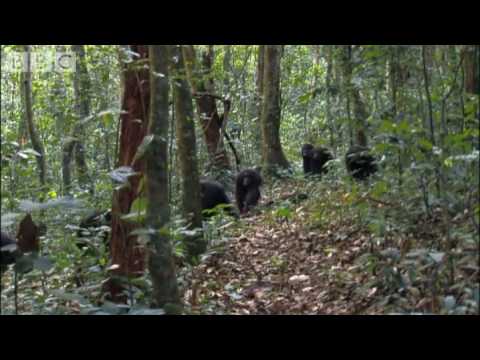
Meeting chimpanzees in the wild? Your safety really depends on following the right rules and knowing where you are.
If you know how to act and stick to the right areas, you’ll lower your chances of trouble during a trek.
Chimpanzee Trekking Guidelines
Guides usually keep trekking groups small—about eight people. That helps keep things calm and less stressful for both you and the chimpanzees.
Trained guides go with you. They know how chimps behave and will show you how to move slowly, avoid direct eye contact, and keep a safe distance—usually around 7 meters, or 23 feet.
These guidelines help prevent you from startling or upsetting the chimps.
You’ll probably wear masks and skip the trek if you’re sick. That way, you avoid spreading diseases to the chimps or catching anything yourself.
Encounters generally last less than an hour to keep the animals from getting too stressed.
Key Habitats for Chimpanzee Interactions
You’ll find the best chimpanzee trekking in places like Uganda’s Kibale National Park or Rwanda’s Nyungwe National Park. These parks actually work hard to protect their chimpanzees and set strict rules for visitors.
The forests here can get really dense, and the paths twist and turn—so honestly, you’ll want sturdy hiking shoes and clothes that cover your arms and legs. Guides know the area well and usually help you avoid any trouble spots.
Some safaris even mix chimpanzee trekking with gorilla trekking, which sounds pretty incredible if you ask me. The safety rules aren’t quite the same for both, though, since mountain gorillas act differently and usually hang out in other habitats.


